Talk to Our Expert
Our sales and engineers are available all the time, you can ask your specific requirements to our sales, and inspiration to our engineer here.

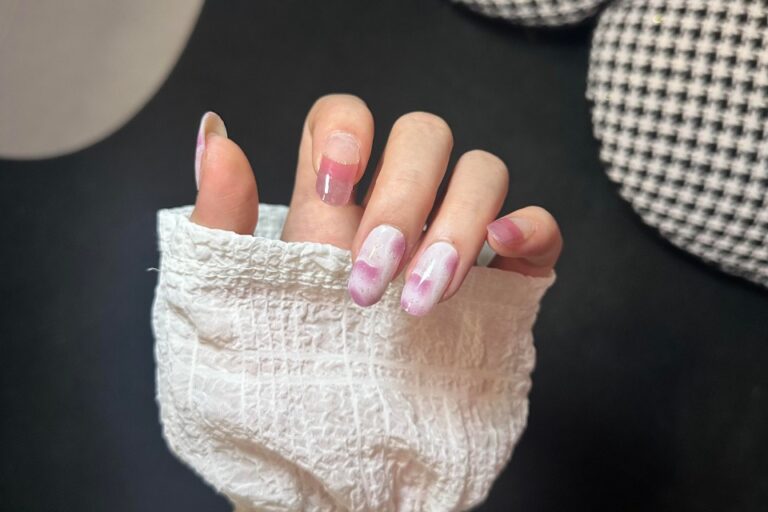
A pretty catalog does not sell gel polish. A well-built nail brand website does, because it removes doubt around color, chemistry, compliance, and reorders.
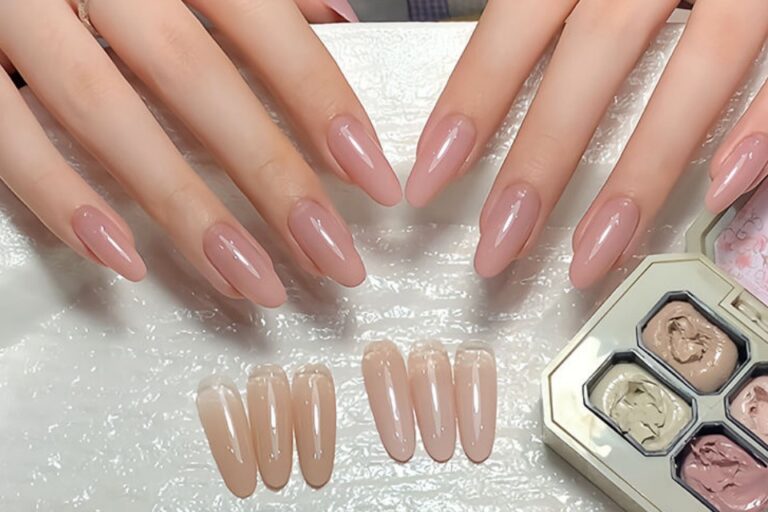
Most swatch displays look pretty and sell badly because they hide layer count, lighting bias, and effect behavior. This guide shows how to build gel nail swatches that survive buyer scrutiny, from classic 3-step systems to faster 2-in-1 and 3-in-1 formats.
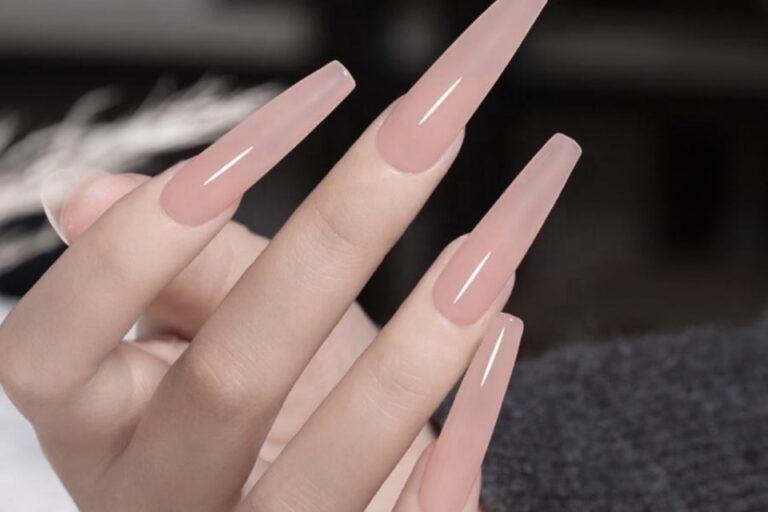
Customization in nail products is not unlimited, and the factory that says yes to everything is often the one you should question first. This guide explains what a gel manufacturer can realistically customize, where the technical and regulatory limits sit, and how to negotiate custom requests with confidence.
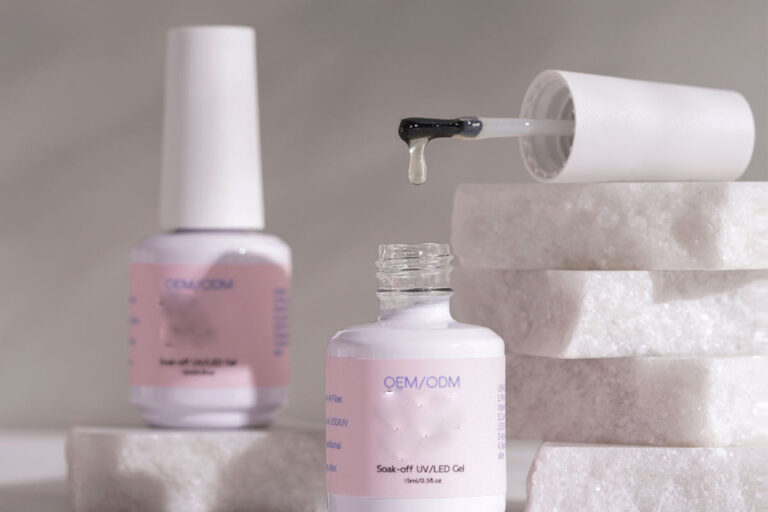
Adding nail polish can raise AOV and open salon or B2B channels, but it also exposes weak sourcing fast. This guide covers the chemistry, compliance, supplier checks, and launch structure brands usually learn too late.
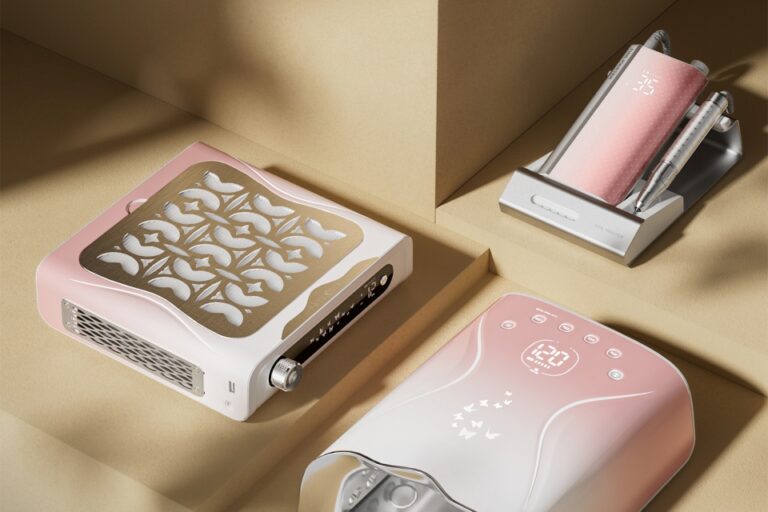
Choosing between a pre-made base and a custom formula is a commercial decision before it is a technical one. This article explains when speed, stability, and compliance favor an existing base, and when custom development creates real competitive value.
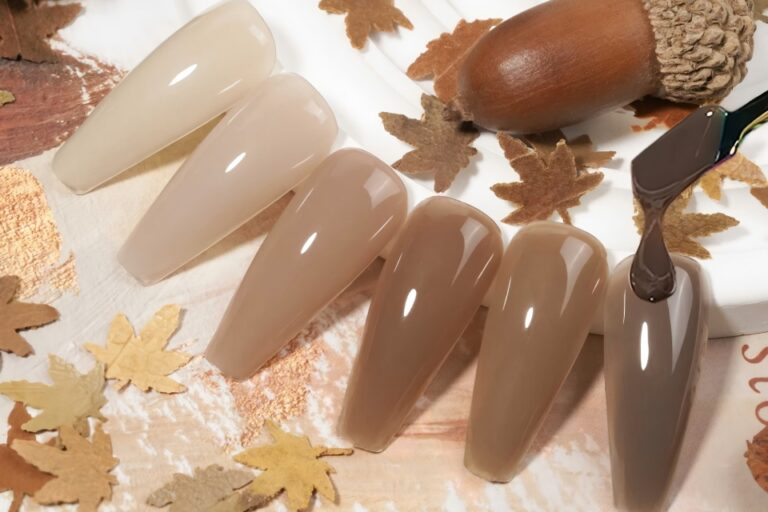
Most brands underestimate gel polish lead time because they focus on batching, not approvals, packaging, and freight. This article breaks down the real gel polish production timeline, where time gets lost, and how smart buyers compress it.
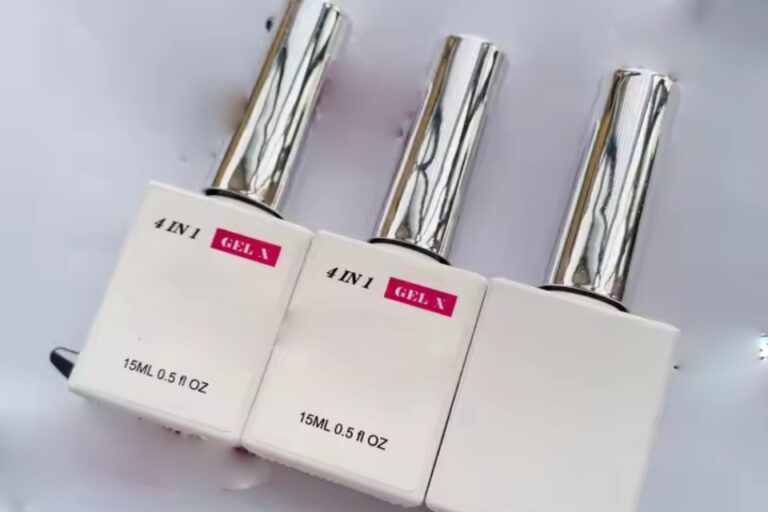
Most gel polish samples look acceptable on day one. The real work is proving the formula can cure cleanly, wear properly, and survive scale-up without turning into a claims problem.Most gel polish samples look acceptable on day one. The real work is proving the formula can cure cleanly, wear properly, and survive scale-up without turning into a claims problem.
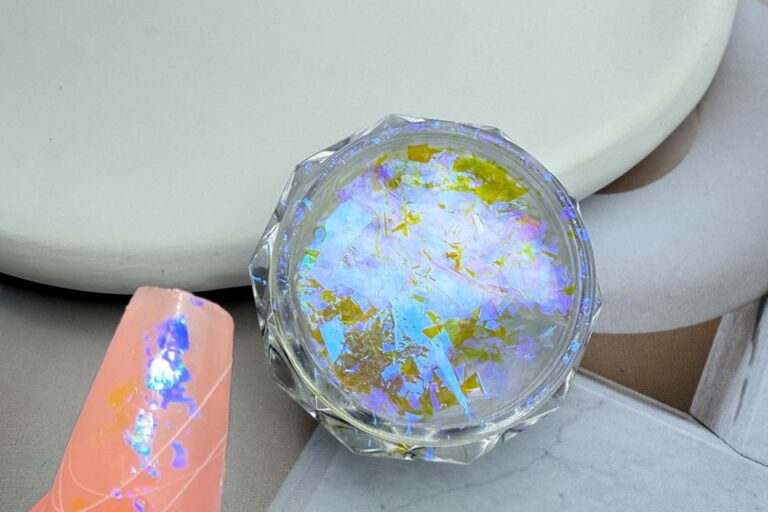
Most OEM gel polish quotes look cheap because they hide the expensive parts until late: reformulation, packaging revisions, freight swings, and customs friction. This breakdown shows where the margin actually goes and how to price for profit instead of hope.
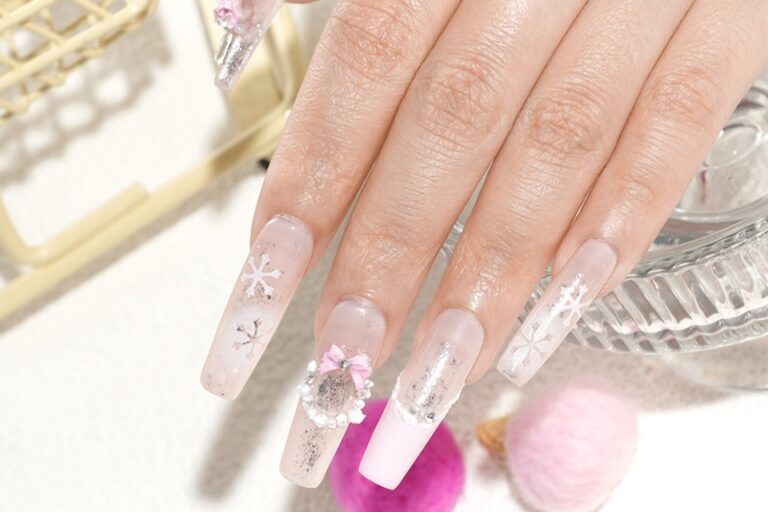
Most gel polish lines don’t fail because the formula is weak. They fail because the brand says nothing memorable, specific, or believable. This article shows how to build a story that speaks to distributors, salons, and end users without sounding staged.
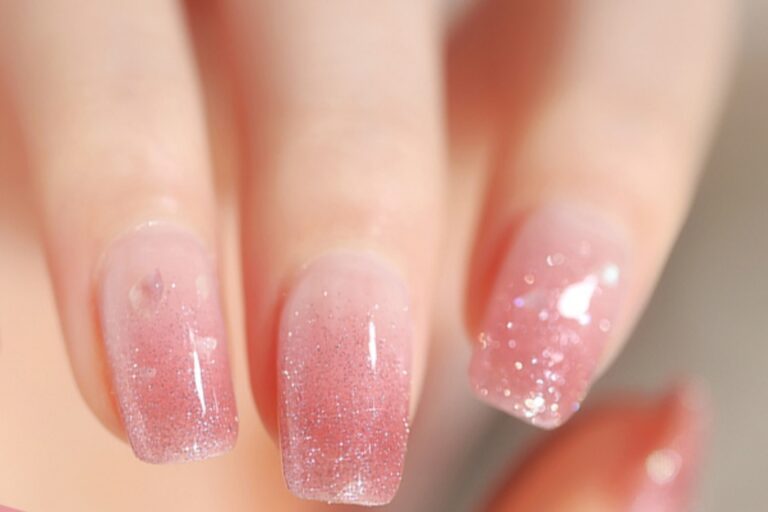
Most shade names fail because they sound pretty in a meeting and forgettable on a shelf. This guide shows how to build gel polish names that carry mood, brand logic, and commercial value without drifting into generic fluff.
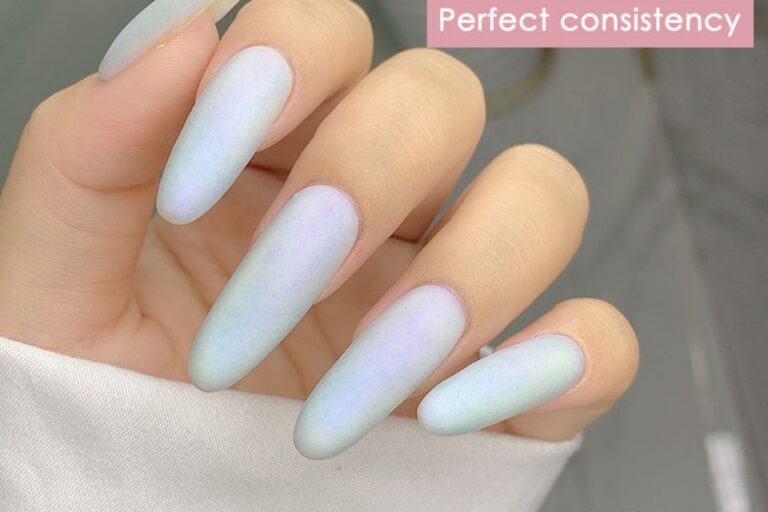
Nail brands love to talk color, finish, and trend velocity. I think the smarter conversation is packaging architecture: the bottle, cap, label, carton, and refill logic that buyers notice, regulators test, and margins quietly absorb.
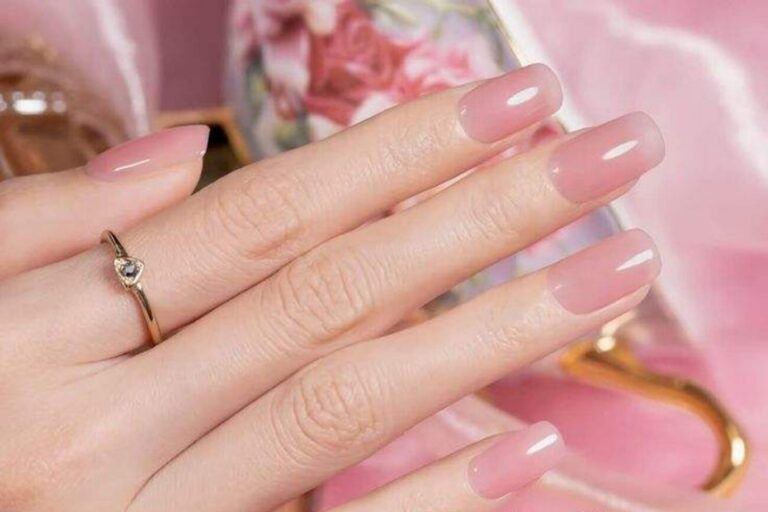
Selling gel polish in the US and EU isn’t “a label problem.” It’s an evidence problem. Here’s what regulators expect, what gets brands in trouble, and how to build compliance you can prove.