Talk to Our Expert
Our sales and engineers are available all the time, you can ask your specific requirements to our sales, and inspiration to our engineer here.

If you’ve ever had a fresh set look perfect on day one, then start peeling near the cuticle or popping at the free edge, you’ve seen gel polish lifting. It’s annoying for DIY users. It’s expensive for salons. And for retailers, it’s a fast track to bad reviews and returns.
Lifting usually isn’t “one random mistake.” It’s a chain reaction: prep wasn’t clean enough, the coating went on too thick, the cure was short, then water + daily impact finished the job.
Below is a practical breakdown of the gel polish lifting causes and the fixes that actually hold up in real salon work, training rooms, and bulk production.
For product references and internal resources, the links used here come from your internal URL list.
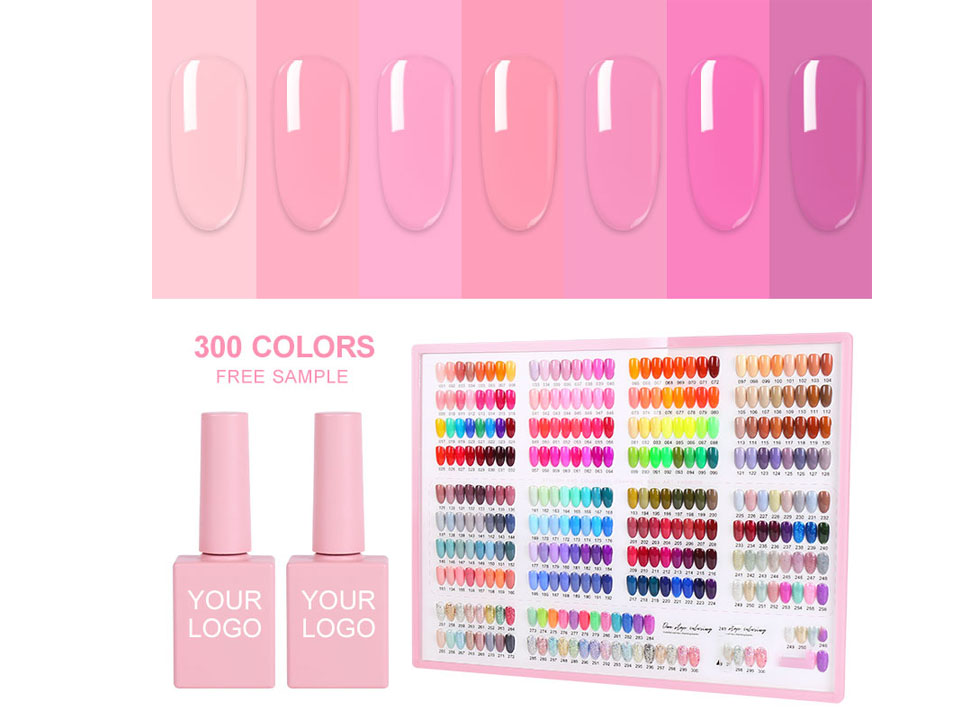
“Lifting” means the gel film separates from the nail plate. You’ll usually spot it in two zones:
Here’s the part many people miss: lifting isn’t just cosmetic. Once there’s a gap, water and debris slide in. That gap grows faster, and the set fails early. In salon terms, you’re dealing with callbacks. In e-commerce terms, you’re dealing with refund friction.
If you’re building a brand, your goal is simple: fewer failures in the field. That’s where stable prep, consistent curing, and a reliable base system matter.
If you’re sourcing for private label, start at the source: your manufacturer’s system and QA. The homepage is a good place to see the positioning and supply scope: Best Gel Polish Manufacturer in Guangzhou.
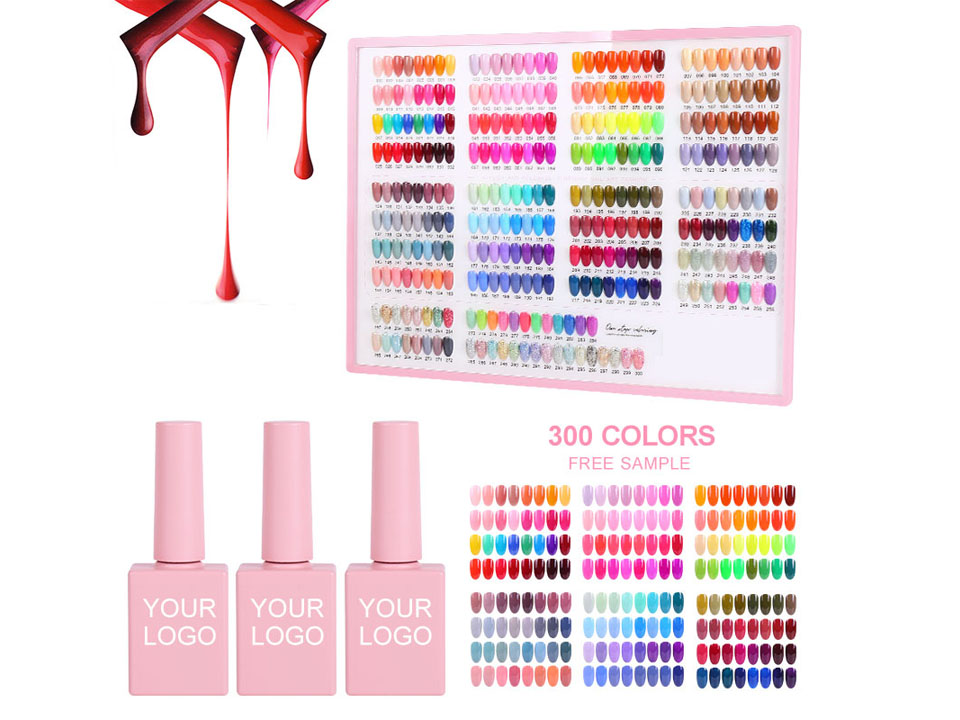
If gel sits on invisible cuticle tissue (often pterygium), it’s not bonding to nail. It’s bonding to “skin dust.” That bond won’t survive handwashing.
Fix that sticks
Natural oils, lotion residue, and even tiny water film act like a non-stick layer.
Fix that sticks
Nails absorb water, swell, then shrink as they dry. Gel doesn’t “breathe” with that movement, so the film gets stressed and lifts.
Fix that sticks
A short cure can look fine… until it doesn’t. Under-cured layers stay softer inside, so they shear off under stress. Lamp mismatch makes this worse.
Fix that sticks
Need a compact lamp option for training kits or travel sets? A product-style reference is here: 36W UV/LED mini nail lamp.
Thick layers create two problems: they trap uncured material, and they build internal stress as the gel tightens during cure. That stress looks like early peel.
Fix that sticks
You can point shoppers or buyers to a broader selection for opacity and color systems here: gel polish collection (useful for brand owners building shade ranges).
If you don’t cap the free edge, the set fails where the nail gets hit the most. This is also where water sneaks in first.
Fix that sticks
A durable finishing option you can reference internally: no-wipe diamond top coat.
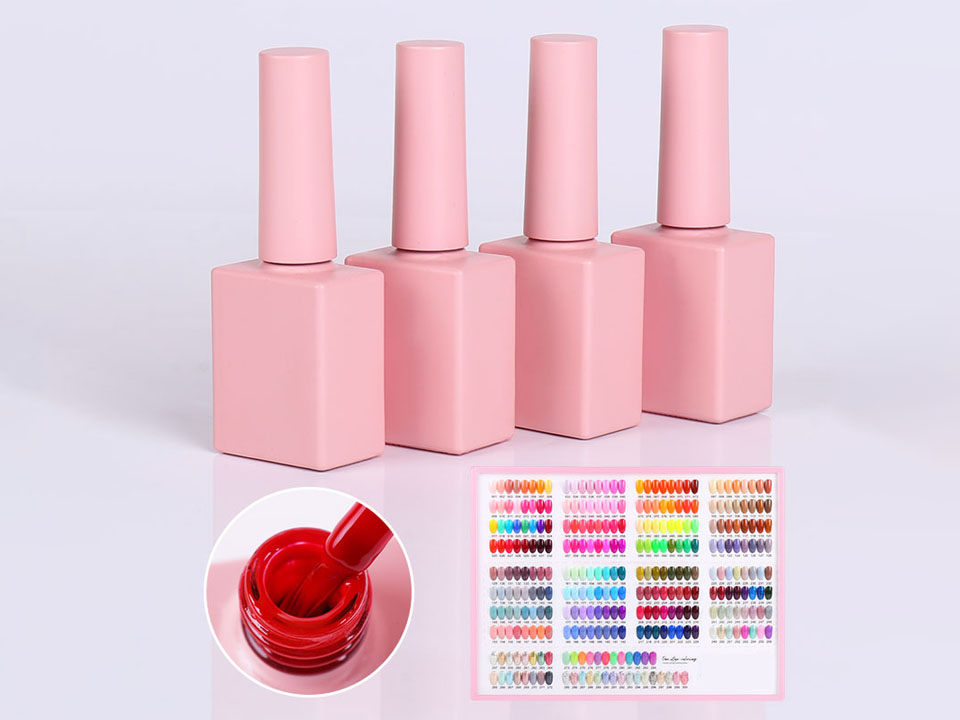
Mixing random base and top systems can work, but it’s also a common failure point. Different formulas flex differently. When the nail bends and the film can’t follow, the bond breaks.
Fix that sticks
For bulk buyers and salons that need stable, repeatable adhesion, a reference point is: HEMA-free & TPO-free base/top coat gel (1kg).
Using nails as tools, frequent sanitizer, hot water, and cleaning chemicals will beat up any set. Lifting shows up faster on flexible nails and high-impact lifestyles.
Fix that sticks
A reinforcement-style approach many techs use is a structured base. Two internal options to point to:
| Gel polish lifting cause (keyword) | What usually happens on nails | Prevention strategy (field-tested) | Evidence basis (industry use) |
|---|---|---|---|
| Cuticle not prepped | Lifts around cuticle in 3–7 days | Remove pterygium, avoid flooding, keep margin clean | Salon troubleshooting logs + educator SOPs |
| Oil and moisture on nail plate | Random lifting, especially on oily nail types | Dehydration step, dust removal, no lotion before service | Manufacturer QA checklists |
| Soaking in water | Peeling after wet-work days | Dry manicure, gloves, stronger base choice | Client aftercare outcomes |
| Under-cured gel polish | Softness, wrinkling, early peel | Correct lamp + cure time, thin coats, thumb positioning | Lamp validation routines |
| Coats applied too thick | Shrink-back, uneven cure, edge break | Two thin coats, control self-leveling | Tech training standards |
| No free edge capping | Chips that spread into peel | Cap every layer, don’t file off the seal | Wear testing feedback |
| Base/top system mismatch | Lifts even with “good prep” | Keep one system during troubleshooting | Product compatibility tests |
| Daily wear stress | Lifting on dominant hand first | Gloves, reinforce flexible nails | Real-world client patterns |
Here’s a simple prep flow that reduces lifting without turning every set into a 90-minute marathon:
If you’re buying for salons, academies, or private label kits, make sure your base is consistent in bulk. Here’s an internal reference point for system basics: base coat gel.
A lot of “mystery lifting” is really curing technique.
If you’re training techs, build a habit: “thin layer + correct cure” becomes automatic. That habit protects your brand’s reputation when you scale.
If your client washes hands all day, you need a different strategy. Go for structure and sealing, not just pretty color. Rubber base and free edge capping do heavy lifting here.
DIY users often over-apply and under-cure. Your product pages, inserts, and short videos should hammer two rules: thin coats and full cure. That reduces refunds without sounding like you’re blaming them.
New techs struggle with cuticle flooding and dust control. Add a simple checkpoint: “If you can see dust, you’ve already lost the bond.”
When you scale, you don’t just sell color. You sell consistency. YY DEL POLISH supports OEM/ODM and bulk wholesale workflows where repeatable adhesion matters as much as shade range, especially for distributors, platform sellers, and salon supply chains.
If you want fewer complaints and better re-order rates, build your lineup around a stable base/top system, offer HEMA-free options for sensitive markets, and give clear curing guidance. That’s how you protect margin without talking about “cheap vs expensive.”
If you want, I can turn this into a category-ready blog post layout for BestGelPolish (meta title, meta description, FAQs, and snippet-ready answers) while keeping every heading anchored to real search keywords and keeping the tone natural.