Talk to Our Expert
Our sales and engineers are available all the time, you can ask your specific requirements to our sales, and inspiration to our engineer here.

But let me guess. You did the set, it looked perfect at 9pm, and by the next afternoon the free edge started whispering that nasty little click—then a corner snagged on denim, and suddenly the color layer is lifting like it never met your nail in the first place.
It happens. Too often.
I’m going to say the quiet part out loud: “Your nails are oily” is the laziest diagnosis in this business, right up there with “it’s your hormones” and “it’s the weather,” because most gel polish peeling is a process failure you can recreate on command if you repeat the same sloppy steps (or the same mismatched lamp + gel combo) and pretend the chemistry will forgive you.
So what’s actually breaking? The bond.
Here’s the ugly truth: gel doesn’t “peel.” It detaches, and it detaches at an interface—usually nail/base, sometimes base/color, and occasionally topcoat because the layer below never fully crosslinked and the whole stack is living on borrowed time.
Sticker-pop removal is a clue. A loud one.
When gel comes off in one clean sheet, you’re typically staring at contamination, bad film build, or a cure problem (and yes, cure problems hide inside “thin coats, babe” advice because people forget lamps aren’t magic—wavelength and intensity matter). And if you’re buying in bulk or doing private label, there’s a fourth landmine: inconsistent formulation and batch drift, where one shipment behaves and the next one acts like it’s from a different universe. If your supplier can’t talk like a grown-up about QC and batch consistency, you’re not buying “quality,” you’re buying vibes. (bestgelpolish.com)
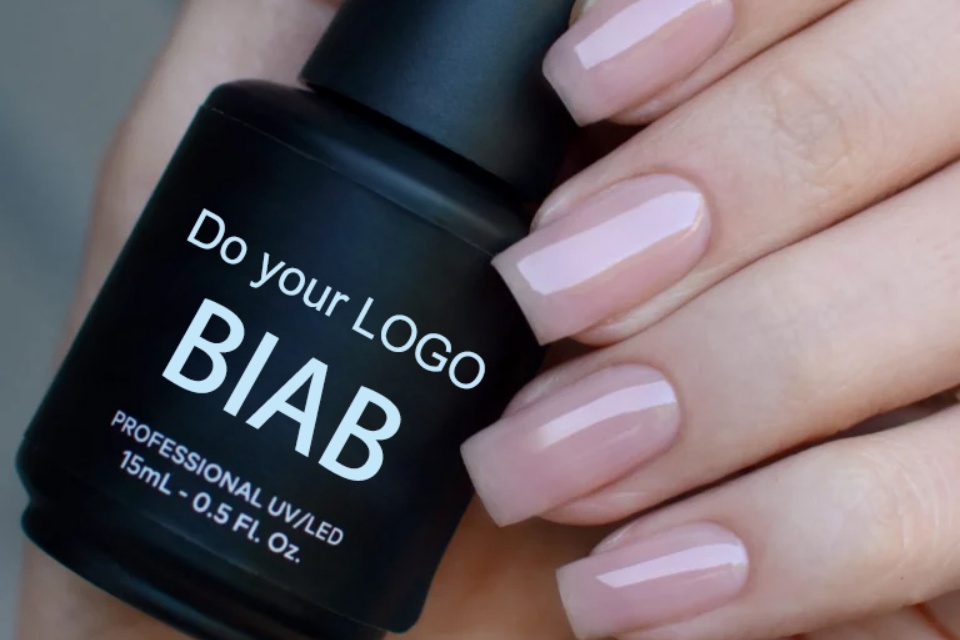
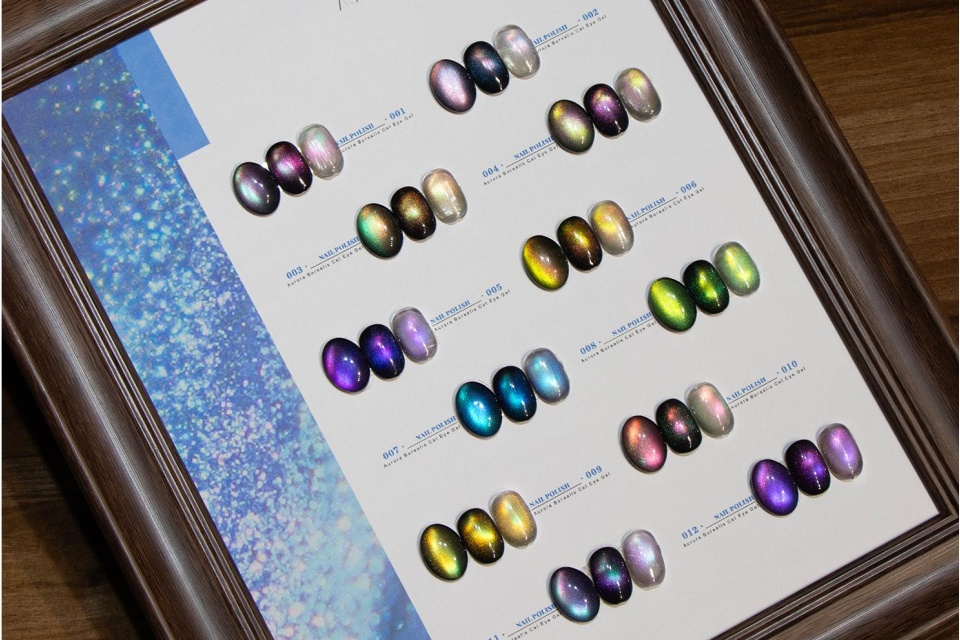
Yet the industry keeps glamorizing colors, effects, cat-eye sparkle… and then wonders why the adhesion fails at the cuticle line.
From my experience, the most common lifting cause is this: techs over-file the center (because it’s easy), under-clean the perimeter (because it’s fiddly), and leave a ghosty cuticle rim right where the gel needs a clean bite—then they flood the sidewalls and act shocked when the set lifts like a helmet.
Prep has two jobs:
And yeah—dust is a release agent. No joke.
My clean, repeatable prep (the kind you can teach to a new tech without roulette outcomes) looks like this:
If you’re trying to standardize results, start with a base system that’s stable and documented—base coat should be boring, predictable, and compatible. (bestgelpolish.com)
I see this constantly: people think “thicker = stronger,” so they slap on a chunky coat of color, especially with darker pigments or glitter, and the top skins over while the underside stays softer—then the client washes dishes, flexes the nail, and water creeps into the microscopic gap like it pays rent.
It works. Usually.
Until it doesn’t—and then it fails fast, because a partially cured layer behaves like a sponge and a spring at the same time (swelling + flexing = bond stress at the edges). If you need structure, don’t build it with thick color. Use a base that’s designed to flex with the nail, like rubber base systems, and build in controlled layers. (bestgelpolish.com)
And if you’re buying for B2B or developing a line, flexible systems exist for a reason: natural nails flex, gels crack when the stack is too rigid, and the free edge is basically a stress-testing lever. (bestgelpolish.com)
However… people still shop lamps like they’re buying speakers: “This one is 120W, so it must be better.”
Nope. Not even close.
What matters is wavelength output (common peaks around 365 nm and 405 nm), intensity at the nail, and whether your gel’s photoinitiator package matches the lamp (because if it doesn’t, you’re under-curing and you won’t always see it—you’ll see it on day three when the edges start to lift). And the thumb? The thumb is a habitual under-cure crime scene because it sits at a weird angle and gets less light unless you cure it separately.
This isn’t just salon gossip, either. A 2023 Nature Communications study on UV nail dryers measured DNA damage and mutation signatures in mammalian cells after exposure, with dose-response patterns described in the paper’s analysis. (nature.com)
So I treat cure like process control, not vibes:
And here’s where I get blunt: a lot of lifting stories are actually sloppy application stories—product on skin, flooding the sidewalls, wiping uncured gel, “cleaning up” with alcohol after the fact. That’s not just a wear issue. That’s exposure.
Allergies aren’t rare. They’re rising.
A 2024 peer-reviewed review on DIY nail cosmetics points out allergic contact dermatitis as the most common adverse event and highlights (meth)acrylates in gel products, plus complications connected to UV lamps. (pmc.ncbi.nlm.nih.gov) The British Association of Dermatologists has also warned that insufficient curing and skin contact raise allergy risk, especially with at-home kits. (bad.org.uk)
So yes—if you’re chasing longer wear, you’re also chasing better hygiene: keep gel off skin, cure properly, don’t “seal in” questionable layers.
| What you see | Likely root cause | Fast test | Fix that sticks |
|---|---|---|---|
| Peels off in one sheet | Contamination (oil/dust/cuticle film) | IPA wipe twice; check for shine near cuticle | Tight cuticle cleanup + uniform matte + dust control |
| Lifts at cuticle in 48–72 hrs | Flooding + shrinkage + under-cure at edge | Look for product on skin line | Micro-thin base near cuticle + “float” color away from skin |
| Lifts on corners/free edge | No capping + impact + flex mismatch | Check free-edge wear lines | Cap base/color/top; consider flexible rubber base |
| Chips but doesn’t lift | Top coat wear or brittle system | Scratch test on top layer | Upgrade to durable shiny top coat; avoid over-thinning top layer |
| Lifts only on thumbs | Lamp angle/output + thicker thumbs | Cure thumbs separately | Separate thumb curing, longer cure, thinner coats |
| Random nails lift, others fine | Nail-by-nail chemistry (water exposure, meds, damage) | Track client habits for 7 days | Adjust base system, reduce soak/removal trauma |
If you’re seeing dulling + micro-scratches that turn into peeling complaints, stop treating top coat like an afterthought—finish layers matter when clients live in hand sanitizer and hot water. (bestgelpolish.com)
Why does gel polish peel off after a day? Gel polish peeling within 24 hours is usually an adhesion failure caused by contamination (oil, dust, cuticle film), an under-cured base/color layer, or a too-thick application that cures on top but stays softer underneath, so water and flex break the bond at the edges. Look for flooding near the cuticle, confirm full matte prep, and thin your coats. For dark shades, extend cure time and cure thumbs separately.
What’s the best way to prep nails before gel polish? The best way to prep nails before gel polish is a repeatable sequence that removes non-bonding cuticle residue, creates a uniform matte micro-texture, eliminates dust, and fully dehydrates the nail plate so the base layer can wet the surface evenly and cure into a stable, bonded film. Use moderate grit (180–240). Don’t over-file. Don’t touch the nail after IPA. Apply base immediately.
Does thick gel polish cause lifting? Thick gel polish causes lifting because light can’t penetrate evenly through dense pigment and bulk, creating a cured outer layer with a softer inner layer that later swells, flexes, and detaches—especially near the cuticle and sidewalls where product tends to pool. Use two thin color coats, not one thick coat. If you need structure, use builder/rubber base systems instead. (bestgelpolish.com)
How long should you cure gel polish under LED or UV? Cure time is the minimum exposure needed for your specific gel chemistry to polymerize through the full film thickness under a lamp’s wavelength and intensity, and it varies by pigment load, layer thickness, and lamp output—so “30 seconds for everything” is often fantasy. Follow the system’s timing, then adjust for dark colors and thumbs. If lifting persists, suspect lamp mismatch or aging output, not “bad luck.” (nature.com)
Is gel lifting ever a sign of an allergy? Gel lifting can signal a rising allergy risk because lifting often follows skin contact with uncured (meth)acrylates or under-cured product, and those exposures can sensitize the skin over time, leading to allergic contact dermatitis that shows up as itching, redness, swelling, or cracking around nails. If skin symptoms appear, stop exposure and consider medical advice; don’t “seal it in” with more gel. (pmc.ncbi.nlm.nih.gov)
What should salons and brands do to reduce peeling complaints at scale? Reducing peeling complaints at scale means treating adhesion like quality control: standardized prep steps, controlled layer thickness, verified curing compatibility, and consistent formulations supported by batch documentation so performance doesn’t swing between shipments or color batches. That’s why buyers ask for traceability, cure verification, and CoAs—because one bad batch turns into 200 angry clients. (bestgelpolish.com)
If you’re still fighting gel polish peeling after tightening prep, thinning coats, and validating cure, stop guessing and start auditing your system: base chemistry, lamp compatibility, and batch consistency. Browse the gel polish catalog to align products by function (base, rubber base, BIAB, top coat), then talk to a supplier who can show you QA controls and documentation—not just pretty colors. (bestgelpolish.com)