Talk to Our Expert
Our sales and engineers are available all the time, you can ask your specific requirements to our sales, and inspiration to our engineer here.

If you sell gel polish or do gel services, you’ve probably heard “HEMA” pop up in complaints, compliance chats, and tech training. Sometimes it’s framed like a simple ingredient switch. It isn’t.
HEMA sits right at the intersection of performance (adhesion, wear) and risk (skin sensitization, allergic contact dermatitis). If you understand where the real risk comes from, you can protect clients, reduce returns, and keep your brand clean.
If you’re sourcing from a factory like YY DEL POLISH (Guangzhou), you can build your lineup with OEM/ODM, bulk programs, and HEMA-free options while still keeping pro-level wear. That’s the sweet spot.
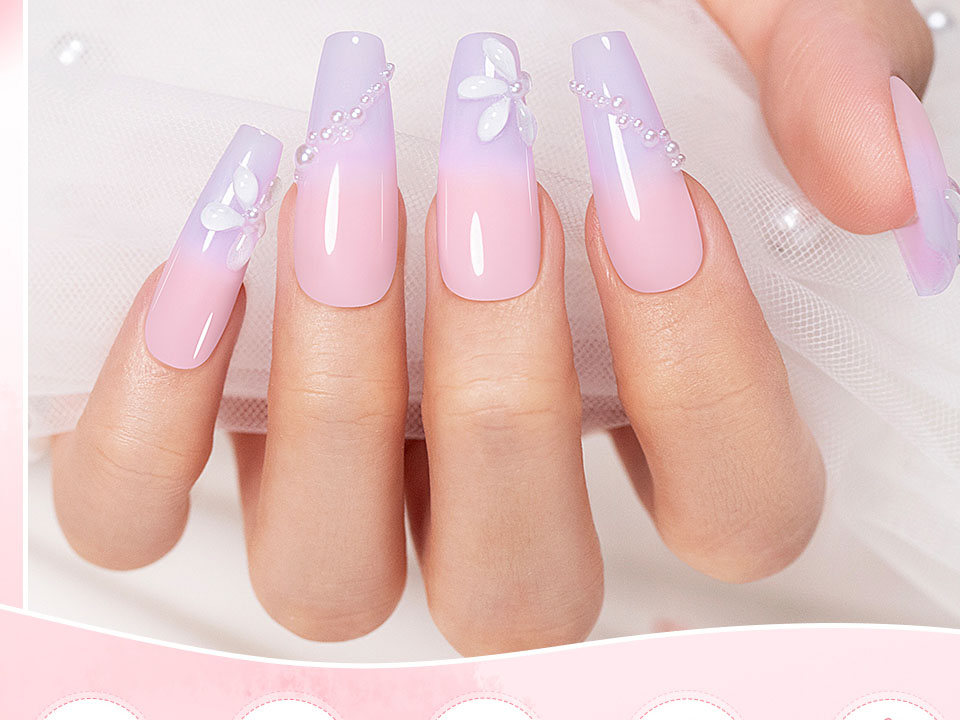
HEMA usually refers to 2-hydroxyethyl methacrylate, a methacrylate monomer used in many UV/LED-curable systems. Brands like it because it helps gels grab the nail plate and stay put.
Here’s the catch: monomers can cause sensitization when they contact skin. And once someone becomes sensitized, that reaction can be stubborn.
Where HEMA shows up most:
If you want to scan a product lineup quickly, start with your core system pages like the gel polish catalog and then drill into base/builder/top products.
HEMA and related acrylates/methacrylates are well-known skin sensitizers in nail products. The big point people miss is this:
Most reactions don’t come from “gel existing.” They come from gel touching skin, or gel not curing fully.
That’s why the same jar can be “fine” for one tech and a disaster for another. It’s not just formula. It’s technique + curing system + habits.
Real salon scene: It’s Friday night. You’re stacked with appointments. You float product a little too close to the sidewall. One tiny flood. You wipe it, cure it, move on. That “tiny flood” is exactly how sensitization starts.
If you sell into Europe, you already feel the pressure. The EU treats certain nail acrylates (including HEMA and di-HEMA variants) with extra caution, including professional-use positioning and strong warnings in specific cases.
For buyers, this means you can’t treat compliance as a sticker you slap on at the end. You need:
Business reality: compliance issues don’t just hit “legal.” They hit listings, chargebacks, platform risk, and distributor trust.
Two triggers drive most problems:
Techs call it “flooding.” Buyers see it later as “mystery allergies” and return requests.
Fixes that actually work:
Undercuring leaves more unreacted monomer in the layer. That raises exposure risk.
Fixes that actually work:
If you sell lamps, don’t treat them like a cheap add-on. They’re part of the safety system. Even a compact option like a portable UV/LED mini lamp can reduce undercure complaints when it’s properly spec’d and taught.
You’ll hear clients say, “I need HEMA-free, so I won’t react.” That’s not guaranteed.
HEMA-free doesn’t mean acrylate-free. Many formulas still use other acrylates/methacrylates that can irritate or sensitize someone who’s already reactive.
So how should you talk about it?
From a product planning angle, you can still build a strong “low-sensitization” story with:
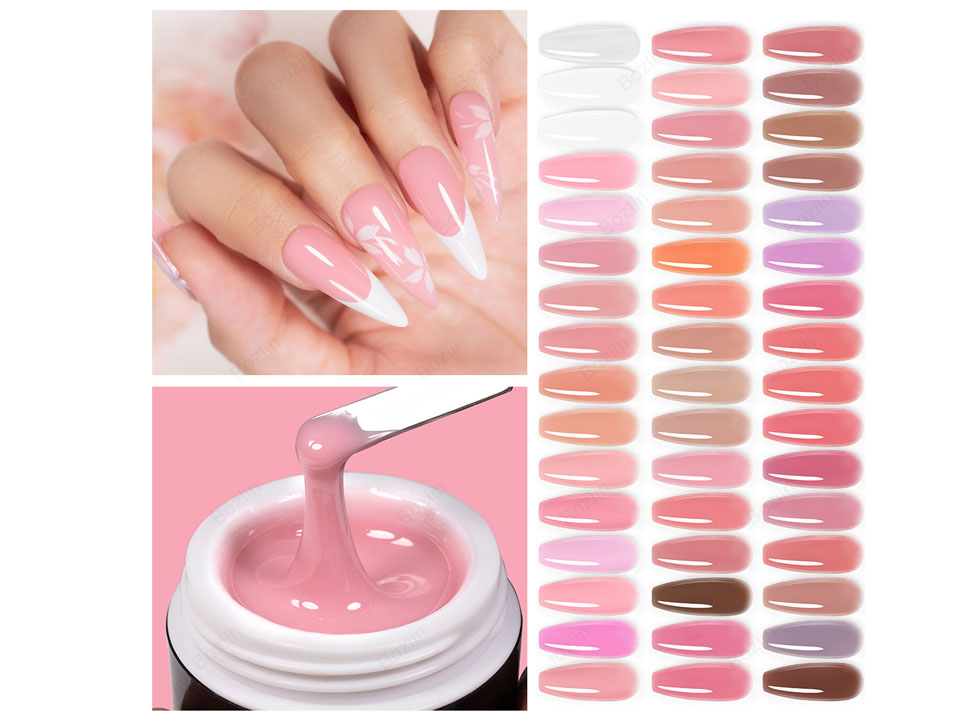
For example, a bulk HEMA-free builder gel extension set paired with a compatible HEMA-free base & top coat in bulk gives buyers a clean, consistent system story.
| Point you can safely state | What it solves (buyer + tech) | What you should do in real life | Evidence base to cite (no outbound links needed) |
|---|---|---|---|
| HEMA/di-HEMA are sensitizers, and misuse raises risk | Fewer allergy complaints, fewer returns | Add pro-use positioning, clear warnings, and training | EU cosmetic regulation updates and restrictions on certain nail acrylates |
| Skin contact is a major trigger | Cuts “mystery reactions” | Train “no flooding” as a core skill | Dermatology/occupational dermatitis literature on acrylates |
| Undercuring increases exposure | Reduces service breakdown + complaints | System-match lamp + time, thin layers | Polymerization principles + clinical observations |
| HEMA-free reduces one common sensitizer but not all risk | Keeps messaging honest | Offer HEMA-free line + technique rules | Clinical patch testing practice and cross-reactivity discussion |
| Performance tradeoffs are real when removing HEMA | Prevents lift, shrink-back, weak wear | Re-tune base/builder/top as a system | Formulation practice in UV gels |
If you buy for a brand, distributor, or private label, this is what keeps you out of trouble.
A practical combo many wholesalers like:
This type of lineup comes straight out of BestGelPolish’s internal product set.
You don’t need to work slow. You need to work clean.
Training school scene: New techs usually struggle with speed. Teach them control first, then speed. That one switch reduces allergy issues and keeps clients loyal.
If you’re building or scaling a brand, you need two things at the same time:
YY DEL POLISH supports that with factory-direct OEM/ODM, bulk supply, and HEMA-free options designed for global markets. It also helps when you can pull a tight product stack from one place, instead of Frankensteining from five factories.
If you want to start simple, browse the BestGelPolish homepage and then jump into the gel polish collection to map your core system first.
If you’re a buyer, don’t sell HEMA like a buzzword. Sell a system with training, curing rules, and honest labeling.
If you’re a tech, treat skin contact and curing like non-negotiables. That’s how you protect your hands, your clients, and your income.
Do that, and you’ll get what everyone wants: cleaner feedback, fewer complaints, and a brand people reorder without hesitation.