Talk to Our Expert
Our sales and engineers are available all the time, you can ask your specific requirements to our sales, and inspiration to our engineer here.

I’ve watched buyers get fooled by the same three things for years: a pretty swatch photo, a loud “non-toxic” label, and a price tag that sounds premium.
Then they open the bottle.
Streak city.
And yes, I’m going to say the quiet part out loud: a lot of “best gel polish brands” are sourcing from the same few supply chains, using near-identical base oligomers, then competing on packaging and influencer deals. That doesn’t mean all gels are the same. It means you need a gel polish quality checklist that cares about chemistry, process control, and cure behavior—not vibes.
So let’s get practical. Five tips. No fluff. If you’re asking “how to tell if gel polish is good,” this is the stuff that actually separates “pretty on day one” from “still intact on day fourteen.”
Pigment is where weak manufacturers hide. They’ll show you a perfect marketing swatch, then ship a batch with sloppy dispersion, cheap colorants, or filler-heavy glitter that sinks like wet sand.
Do this gel polish pigmentation test:
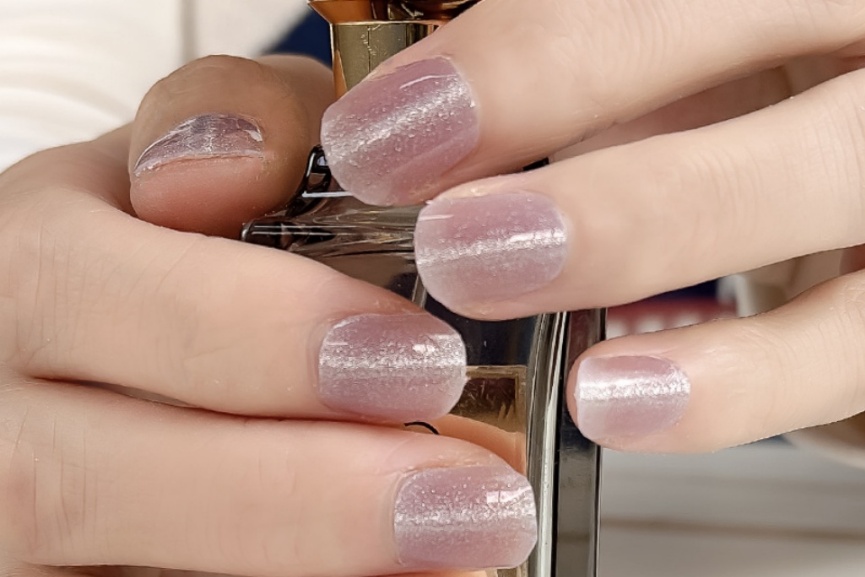
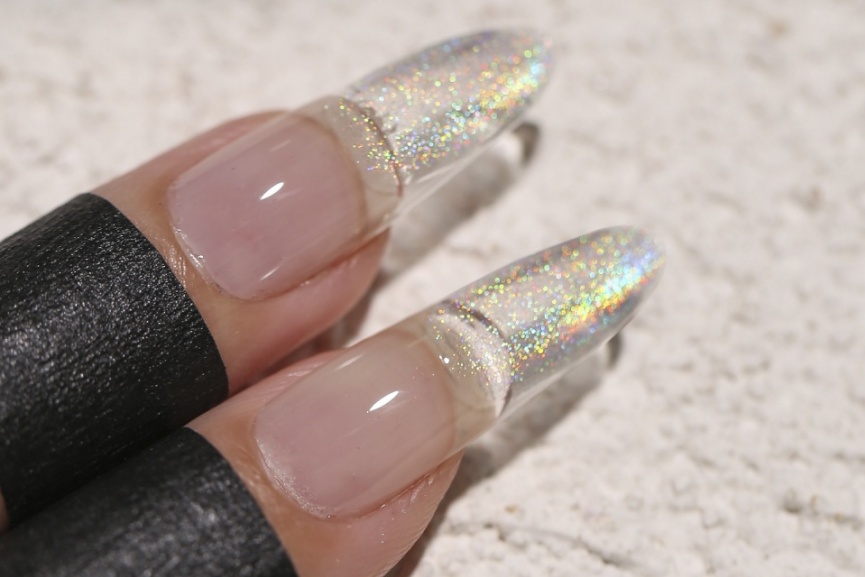
Paint one thin coat on a clear tip. Cure. Paint a second thin coat. Cure. Now tilt it under a harsh light. Do you see bald patches? Does the color “gray out” at the edges? Does it look like it needs a third coat to stop streaking?
Here’s the ugly truth: “one-coat coverage” is often marketing for “we made it thick,” and thick isn’t automatically better. Thick can mean poor leveling, trapped bubbles, and wrinkling when your lamp can’t push enough energy through the film.
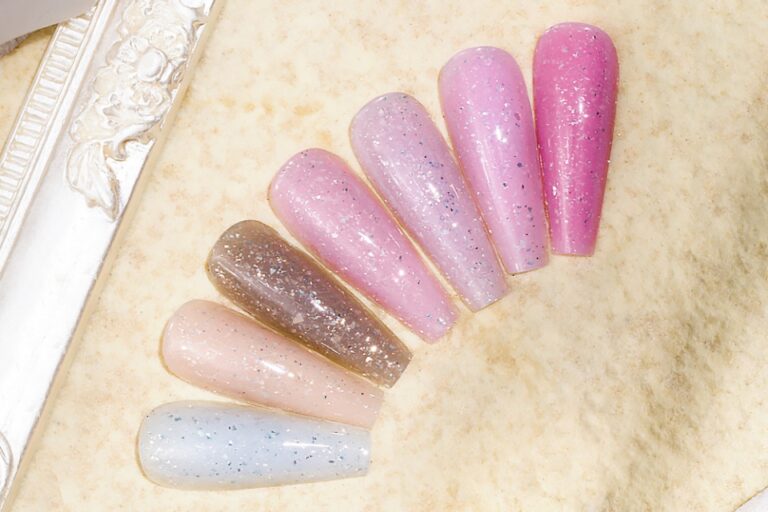
If you want to compare finishes fast, start with a controlled palette (same tips, same lamp, same cure time). Then shop from a catalog that actually shows range and consistency—like the gel color lineup in this gel polish catalog.
People ask “gel polish consistency thick vs thin” like there’s a winner.
There isn’t.
There’s only “matches your use case” and “behaves under cure.”
Thin gel can self-level nicely and apply clean, but it can also flood cuticles if the formula has low body and you’re slow. Thick gel can look rich and buttery, but it can also drag, rope, and trap air (and yes, that matters for wear).
I look for three behaviors:
If you’re buying builder-style products, this becomes even more obvious. A decent builder should level without slumping. That’s why I like evaluating viscosity using something like a true self-leveling BIAB reference product—here’s an example of a self-leveling BIAB builder gel extension set that’s built around leveling as a core feature, not an accident.
Short version? Control matters.
“Clean” means nothing if it’s not defined.
So I focus on what actually triggers problems: sensitizers (hello, acrylates), sloppy labeling, and “mystery photoinitiator” systems that cure unpredictably across different lamps.
Two real-world signals you should take seriously:
One: Allergic reactions aren’t just salon gossip anymore. A 2024 dermatology paper looked at at-home gel nail content and framed it as an acrylate allergy problem that’s showing up in real people’s skin outcomes, not just anecdotes. It’s on PubMed (NIH), so you can read it yourself: “Unveiling an Acrylate Allergy Epidemic” (2024). (PubMed)
Two: Regulatory pressure is tightening. In the U.S., MoCRA pushed cosmetics into a more serious compliance era, including facility registration and product listing expectations—yes, even if you’re “just” a beauty brand. FDA spelled out the July 1, 2024 compliance posture and resources here: FDA MoCRA registration & listing deadline explainer (June 13, 2024). (U.S. Food and Drug Administration)
Now, for shoppers and buyers, what does “ingredients to avoid” actually look like?
It looks like this:
If you’re actively trying to reduce sensitizer risk, at least start by filtering for lines that are transparent about what they’re leaving out—like a HEMA/TPO-free base coat option where the positioning is explicit, not vague.
And yes, I’m aware: “non-toxic gel polish ingredients” is a loaded phrase. Everything is chemistry. The point is to reduce known irritants and demand labeling that lets you make a real decision.
This part annoys people because it’s not sexy.
But it’s the difference between “looks fine” and “actually cured.”
A 2023 UC San Diego report summarized lab work showing UV nail dryers can cause DNA damage and mutations in cells after exposure—meaning the device and exposure pattern matter, not just the bottle you bought: UC system news on UV nail dryers (Jan 19, 2023). (University of California) If you want the primary research, here’s the peer-reviewed paper in Nature Communications: “DNA damage and somatic mutations…” (2023). (Nature)
So what do you do with that information without spiraling?
You get disciplined:
And if you’re buying top coats, test them hard. A “no-wipe” top coat that scratches, dulls, or chips early is a quality tell. If you want a clean benchmark, compare against a known finish product like a HEMA-free, TPO-free matte top coat and see what “good control” looks like in real wear.
If you’re buying for a salon, a distributor, or private label, you’re not buying “a color.” You’re buying repeatability.
Batch drift is the silent killer: shade shift, viscosity drift, brush changes, bottles that leak, caps that crack, labels that smear, gels that thicken after a month because the stabilization wasn’t dialed.
I ask boring questions:
If the supplier can’t answer, they’re guessing.
If you want to see how a manufacturer frames this, start with their process language—like this quality assurance page. And if your goal is branding control (shade control, brush, bottle, labeling), skip the generic reseller route and go straight to OEM/ODM gel polish production or at least review a private-label-ready SKU like this custom logo 15ml UV/LED gel polish offering.
Because here’s what I frankly believe: “best gel polish brands” aren’t magical. They’re consistent.
That’s it.
| Check | How to do it | Pass looks like | Fail looks like | What it tells you |
|---|---|---|---|---|
| Pigment coverage | 2 thin coats on clear tip, cure each | Even opacity, no bald patches | Streaks, patchy edges, gray cast | Pigment load + dispersion quality |
| Leveling behavior | Apply a stripe, wait 15 seconds | Smooths without running | Stays ridged or floods cuticle zone | Viscosity balance + flow control |
| Brush/neck control | Pull brush slowly, watch stringing | Clean pull, no ropey strings | Stringy “webs” from brush | Polymer balance issues |
| Cure finish | Cure as directed, wipe vs no-wipe test | Hard, dry-to-touch as expected | Rubberiness, wrinkles, tack stays weird | Photoinitiator/lamp mismatch |
| Odor + irritation flags | Open bottle, note sharpness; patch-test protocol (pro use) | Normal “acrylate” smell, no burning | Eye-watering solvent punch | Solvent system + monomer profile |
| Label traceability | Look for lot/batch + ingredients | Clear lot code + readable list | No lot code, vague claims only | Compliance maturity |
A high quality gel polish is a UV/LED-curing coating that applies evenly in thin layers, levels without flooding, cures through to a hard film under a compatible lamp, and stays consistent across batches (color, viscosity, wear) with clear labeling like lot codes and an ingredients list you can actually audit. After that definition, use a two-coat tip test, a 15-second leveling check, and a cure/finish check (hardness + scratch resistance). If any one of those fails, the “pretty swatch” doesn’t matter.
How to choose gel polish online means you evaluate proof instead of photos: you look for real application video in thin coats, clear ingredient disclosure, batch traceability, and seller language that describes cure requirements and viscosity (self-leveling, soak-off, builder-style) rather than only “shiny” and “long-lasting,” which are basically meaningless. So read reviews for behavior (“streaky,” “floods,” “wrinkles,” “chips in 2 days”), not for hype. Then buy one shade to test before you commit.
Gel polish ingredients to avoid are the ones most linked to irritation, sensitization, or sloppy compliance: heavily reactive acrylate monomers without clear disclosure, products with missing or vague INCI lists, and formulas that rely on “mystery” photoinitiators that don’t cure reliably across common LED lamps, leading to under-cured residue on skin. If you’re sensitive, treat “HEMA-free” as a filter—not a guarantee—and still avoid skin contact, because acrylate allergy isn’t a single-ingredient issue. The PubMed 2024 paper on at-home gel nail reactions is a good reality check. (PubMed)
Non-toxic gel polish, in practical buyer terms, means a formula and labeling approach that reduces known irritants (where possible), discloses ingredients clearly, supports proper cure, and avoids misleading claims—because toxicity depends on dose, exposure route, and whether the gel fully cures, not just on one marketing word on the bottle. So I treat “non-toxic” as marketing until I see specifics like disclosed ingredients, cure guidance, and a supplier willing to talk QA.
Gel polish consistency (thick vs thin) is better only when it matches the job: thin formulas can apply smoothly and self-level fast for color work, while thicker formulas can help with control and opacity, but they also raise the risk of under-curing, wrinkling, bubbling, and cuticle flooding if the user applies heavy coats or uses a weak lamp. If you want a safe baseline, prioritize thin coats and predictable leveling. If you need structure, move into builder products and evaluate them as builders, not as “just gel polish.”
UV/LED curing lamp safety means balancing exposure: these devices emit radiation that can affect skin cells, and lab research has shown DNA damage and mutations in cells after exposure under certain conditions, so your goal is to minimize unnecessary exposure while still curing gel fully (thin coats, correct timing, avoid skin contact, consider fingerless UV gloves). Read the UC coverage and the 2023 Nature Communications paper if you want the science, not the opinions. (University of California)
If you’re selecting high quality gel polish for a salon line, a retail program, or private label, don’t buy blind. Start with a controlled test set, then work with a supplier who can show QA discipline, not just pretty color names.
Browse the gel polish catalog to pick test shades, review the quality assurance standards, and if you’re building your own brand, talk to us through OEM/ODM services or reach out via the contact page.