Talk to Our Expert
Our sales and engineers are available all the time, you can ask your specific requirements to our sales, and inspiration to our engineer here.

If you’ve ever asked this mid-appointment—brush in one hand, builder jar in the other—you’re not alone. One tech swears base coat is mandatory. Another says it’s a waste of time. Both can be right, depending on what builder gel you’re using and what your client’s nails actually do all day.
Here’s the clean way to think about it: base coat isn’t “extra.” It’s a performance layer. Sometimes your builder already includes it. Other times, skipping it is exactly how you get lifting, cracks, and that dreaded “pop-off” at day 5.
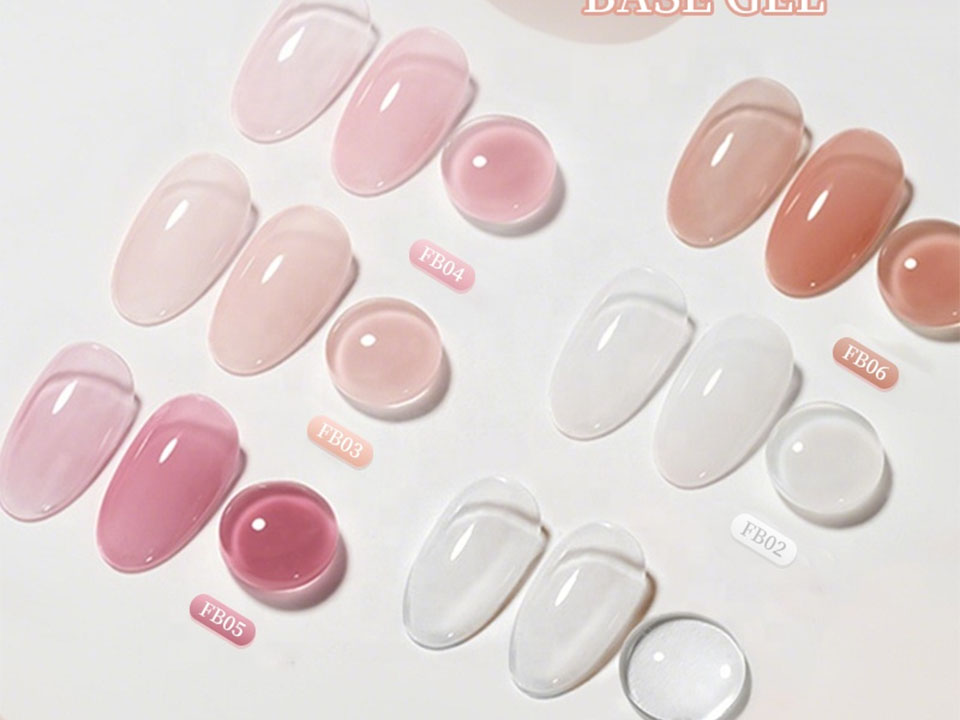
You need a base coat with builder gel when the builder isn’t designed to bond directly to the natural nail—or when the nail flex and the product don’t move together. You can skip it when you’re using an all-in-one builder base / BIAB-style product that’s formulated to act as both the bonding layer and the structure layer.
If you’re building a service menu or sourcing products for a brand, this matters even more. A consistent “system” reduces callbacks, repairs, and client complaints.
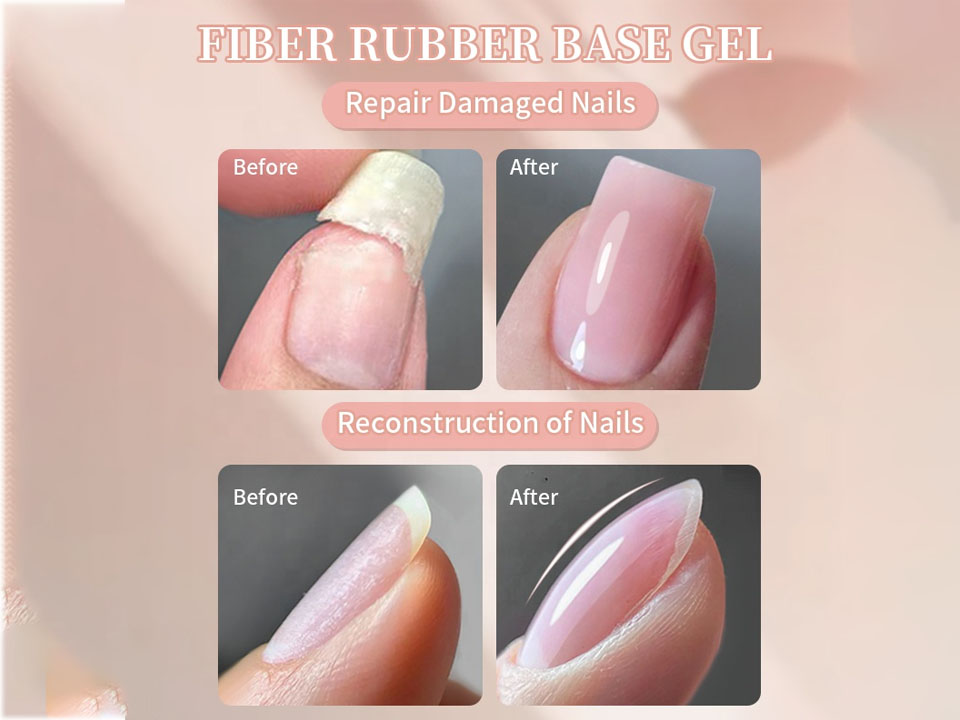
Builder gel can be stronger and less flexible than a natural nail plate. When the nail bends and the product doesn’t, the bond line takes the hit. That’s where lifting starts—often at the sidewalls or cuticle edge, then it spreads.
A good base coat improves wetting + grip on the nail plate. In real life, that looks like:
In salon slang: you’re increasing “stick” and reducing “service breakdown.”
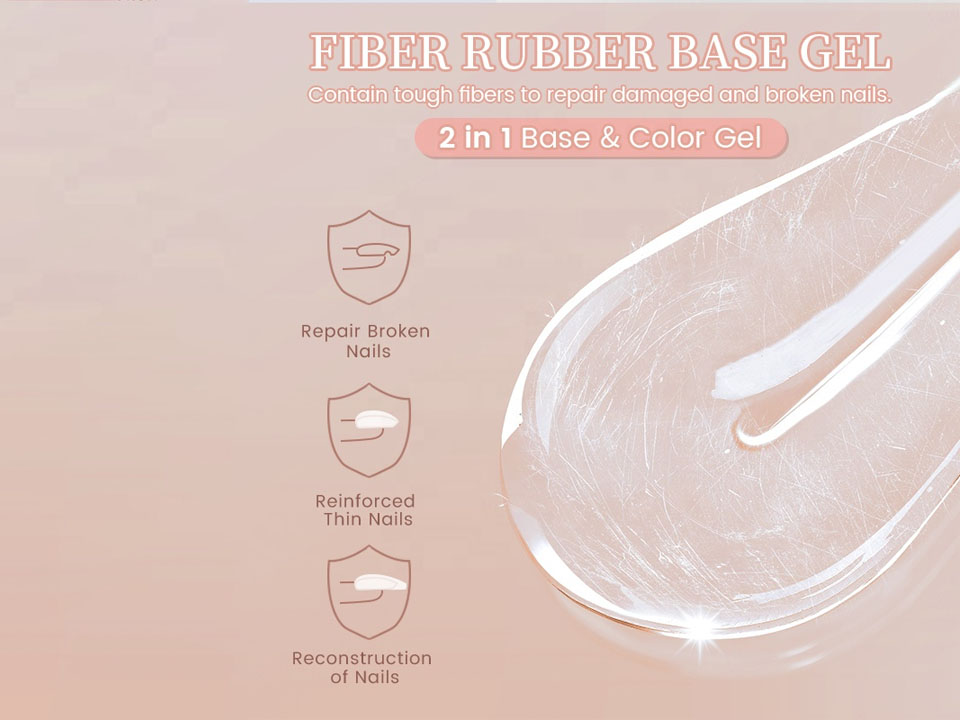
Not every base coat plays the same role. A rubber base (or a more elastic base gel) can act like a shock absorber under a harder builder overlay. That “soft-but-sticky” layer helps the whole stack flex together instead of shearing apart.
If your client has nails that bend like a credit card, this layer can save you from constant patch work.
Use the table below as your “proof block” when you write or train staff. I’m listing named industry sources for credibility (without outbound links), plus the practical takeaway so it doesn’t read like a textbook.
| Argument headline (use as section titles) | What you’ll see in real appointments | Why it happens (plain English) | Source type / reference |
|---|---|---|---|
| “Hard builder over bare nail can lift faster on flexible nails.” | Pocket lifting, especially sidewalls and stress area | Nail flex and builder rigidity don’t match | Trade publication + educator consensus |
| “Base coat improves adhesion and wear time.” | Fewer pop-offs, better retention | Base coat increases bonding and reduces separation | Professional nail education resources |
| “Base coat also acts as a protective barrier and smoothing layer.” | Less staining, smoother finish, cleaner overlays | It seals the plate and levels minor ridges | Professional nail education resources |
| “All-in-one builder base products may not need a separate base coat.” | Faster sets, fewer layers | Product is designed as base + builder | Brand product guidance (manufacturer instructions) |
| “Some BIAB systems still require rubber base for certain shades/viscosities.” | Clear/white or specific versions lift without base | Different formulas need a specific bonding layer | Brand application guides (system rules) |
| “Follow one system to reduce troubleshooting.” | Mixing brands creates unpredictable lifting | Chemistry + cure + flexibility can clash | Pro training + manufacturer guidelines |
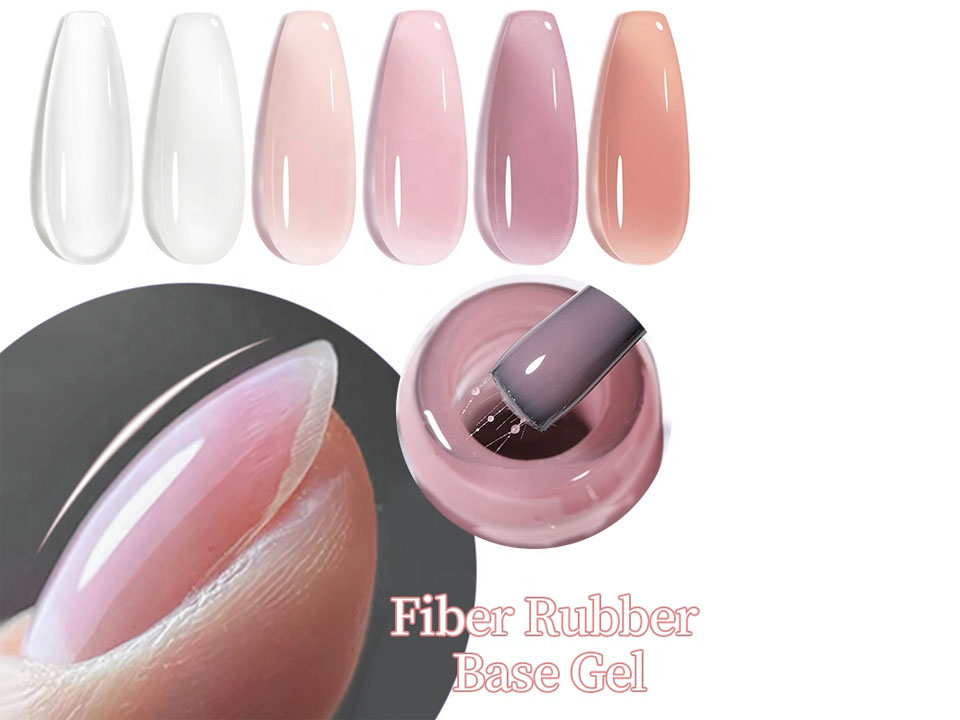
BIAB gets thrown around like it means one thing. It doesn’t. Some BIAB-style products are true “base+builder.” Others behave more like a soft builder that still performs best over a dedicated base or rubber base.
You can often skip separate base coat when:
If you sell or source BIAB-style items, make sure your product page clearly states whether it’s base+builder or builder only. That single sentence prevents a lot of support tickets later.
You’ll want rubber base under BIAB/builders when:
In practice, rubber base becomes your “insurance layer.” It keeps the set stable without turning the service into a 10-layer cake.
If you want options to stock or private label, your site already has rubber base choices you can point people to, like nude camouflage rubber base and odorless thick rubber base.
People treat these like synonyms. They’re not.
If your goal is “stop lifting,” rubber base usually solves more real-world problems than a super-thin base coat—especially on flexible clients.
For wholesale sourcing, you can also reference fiberglass rubber base repair builder when you want a tougher repair-style base layer.
This is where the internet advice falls apart, because it ignores the client.
If the client wants strength and a clean grow-out:
A simple product stack that works for most salons:
For product examples on your site:
When you’re building length or a strong apex, your margin for error drops.
If you skip base and the nail flexes, the builder can lift as one sheet. That’s why many techs keep a dedicated base step for extensions, even if they sometimes skip it for short overlays.
If you’re sourcing extension products, these internal pages match the “builder gel” keyword intent well:
These clients don’t need “more layers.” They need the right layers.
Try this troubleshooting mindset:
If you’re getting returns, don’t blame the builder first. Check the stack.
If the lifting is at the cuticle:
If the lifting is at sidewalls:
If the builder cracks:
If you’re a retailer, distributor, or Amazon/TikTok shop seller building a line, your customers won’t buy “builder gel.” They’ll buy results: no lifting, easy application, good self-leveling, stable wear.
That’s where a manufacturer setup matters. With a factory model like Best Gel Polish Manufacturer in Guangzhou, you can structure a matching system—base, rubber base, builder, top coat—then tune viscosity, cure feel, and ingredient preferences (including HEMA-free options) to fit your market positioning.
If you’re developing a private label range, it’s also easy to weave in a premium series like YY DEL POLISH as your “salon-tested” line for techs who want consistent control and fewer fixes. That kind of product ladder makes your catalog easier to sell to wholesalers and training schools.
All internal URLs above come from your site URL list.