Talk to Our Expert
Our sales and engineers are available all the time, you can ask your specific requirements to our sales, and inspiration to our engineer here.

If you’ve ever done a clean builder gel overlay and still got lifting at the sidewalls a few days later, you already know the truth: builder gel isn’t “magic.” It’s chemistry plus prep plus the right system.
So, do you need a base coat before builder gel? Sometimes yes, sometimes no. The real answer depends on the type of builder gel (soft gel BIAB vs hard gel), the condition of your natural nail, and whether you’re trying to hit long-wear retention for clients who are tough on their hands.
If you’re buying for a salon, a retail line, or an OEM/ODM project, this question matters even more. Your return rate, reviews, and reorder cycle often come down to one thing: does the set stay down.
Here’s how to decide, without guesswork.
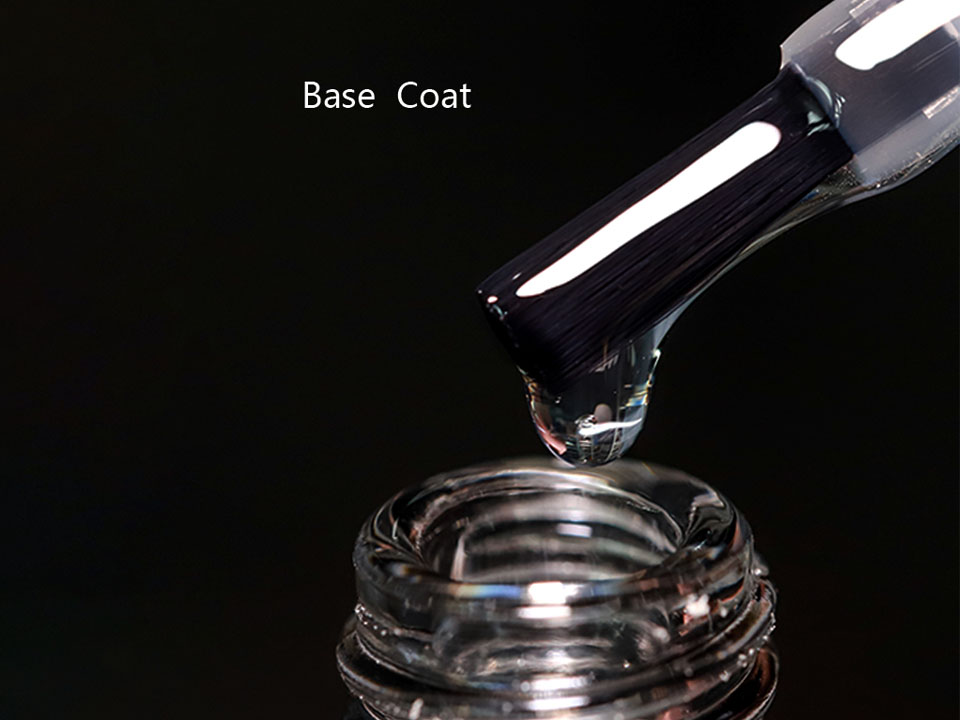
Use this simple rule of thumb:
Builder gel isn’t one product. It’s a whole category.
Many BIAB-style soft builder gels are designed to go straight on the natural nail. That’s why techs love them for fast overlays and structured manicures.
But some BIAB shades and formulas behave differently. In real salon life, milky or heavily pigmented shades can need extra adhesion support. If you’ve ever had a perfect apex but the free edge still lifts, you’ve seen this.
If you’re building a BIAB-focused range, your product pages should make this crystal clear. Your buyers don’t want “maybe.”
Internal reference for BIAB-style options: Custom BIAB builder gel and Self-leveling builder gel.
Hard gels usually rely on strong surface prep and correct curing. Some techs skip base coat and use a thin “slip layer” of the same gel to float and self-level.
That can work. But if you’re doing overlays on thin, bendy nails, a flexible base can help the set move with the nail instead of cracking at stress points.
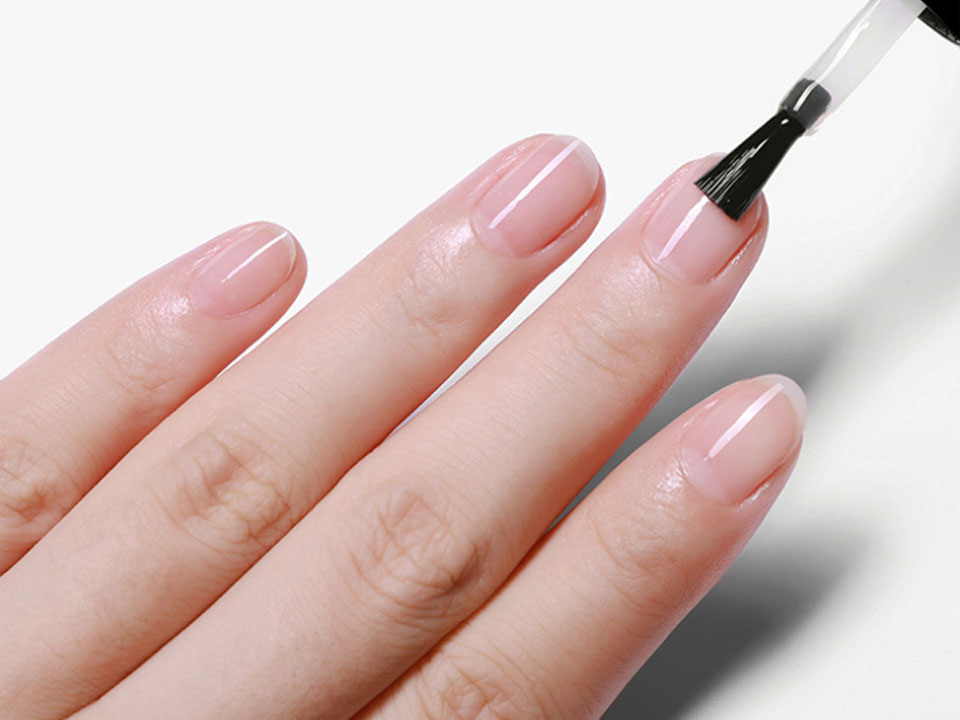
Let’s be blunt: if prep is sloppy, base coat won’t save you.
Here’s the retention stack nail techs care about:
When clients say “it chipped,” they often mean the product lifted and peeled. That’s almost always adhesion.
You’ll want a base coat (or rubber base) in these real-world situations:
If someone’s nails look clean but product still lifts at day 3–5, think oily nail plate. A base layer can act like double-sided tape—especially if you pair it with proper dehydrator and primer.
Builder gel can be strong, but if the natural nail bends, the gel may separate at the cuticle line or sidewalls. A rubber base adds flex so the overlay can ride out daily abuse.
A solid option for that “flex + grip” use case: Nude camouflage rubber base or Fiberglass rubber base repair builder.
Some specialty looks need extra layers, more filing, or more handling time. Base coat helps reduce micro-lifting during the service.
If you’re doing a retail bundle, this is where you build a system: base + builder + top.
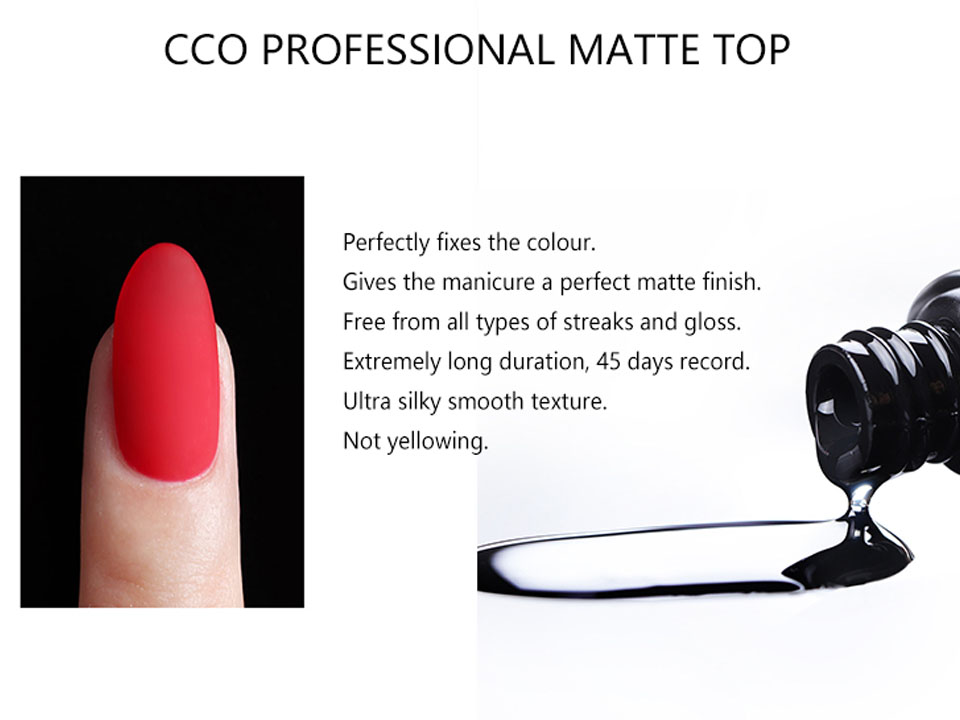
| Nail type / client behavior | Common pain point | Base coat recommendation | Nail tech note (industry slang) |
|---|---|---|---|
| Oily nail beds | Sidewall lifting | Yes (bonding base or rubber base) | “Retention is trash unless you lock it in.” |
| Thin, bendy nails | Cracks at stress point | Yes (flexible rubber base) | “Needs flex or it’ll pop.” |
| Healthy nails, good prep | Solid wear | Optional | “If it stays down, don’t over-layer.” |
| Heavy hand use (hairdressers, cleaners) | Free-edge peeling | Usually yes | “Seal that edge and baby the corners.” |
| BIAB overlay on short nails | Minor lifting risk | Optional | “One thin anchor coat first, then build.” |
| Long extensions / high apex | Structure and durability | Depends | “Hard gel can grip, but base helps on bendy plates.” |
Good for standard adhesion and smooth application. If you’re selling to salons and distributors, it’s the safe default in a system.
See: Base coat gel and Gel polish category.
This is the “problem nail” hero (without calling it that). Rubber base helps when nails flex, or when you need extra grip under builder gel.
If your buyers complain about lifting, rubber base is one of the fastest fixes you can offer.
Some builder gels can act as their own base when you apply a thin scrub-in layer first. The key word here is scrub-in. If you float a thick bead right away, you’re basically trapping oils and inviting lift.
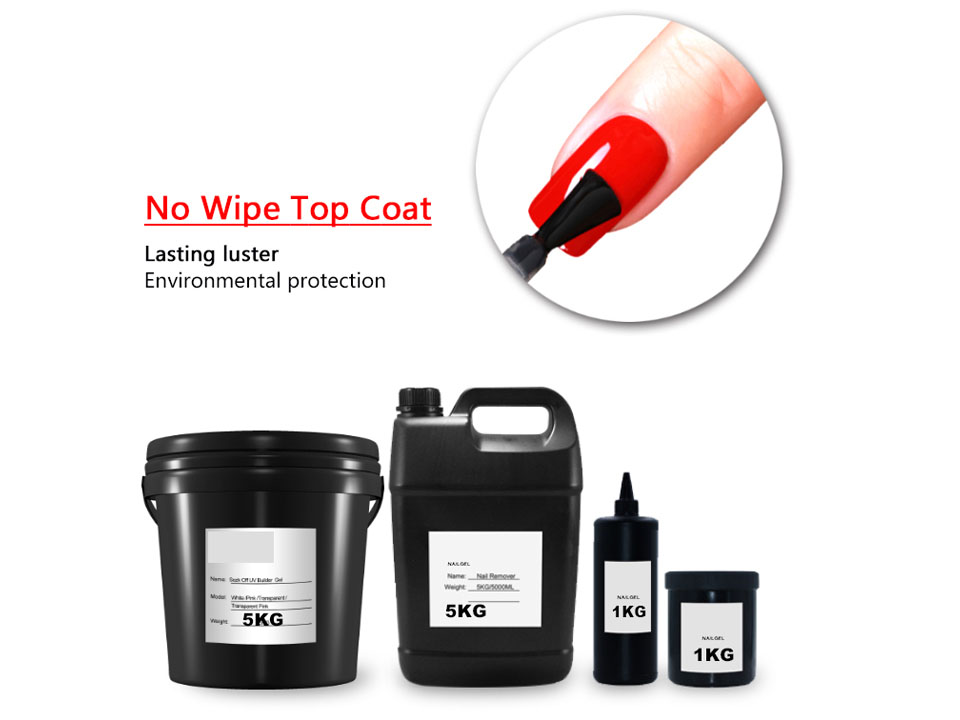
If you sell internationally or to professional academies, you’ve probably heard the request: HEMA-free and sometimes TPO-free.
That’s not just a trend. Some markets and salons want lower-sensitizer options to reduce irritation risk and improve client comfort.
For system consistency, keep base + builder aligned:
If you’re a brand owner, distributor, or cross-border seller, don’t market builder gel as a standalone miracle jar. Sell it as a retention system:
That’s how you reduce complaints and increase reorder frequency.
This is also where YY DEL POLISH fits naturally: you can build a consistent base + builder lineup for OEM/ODM customers who want factory-direct production, bulk wholesale supply, shade matching, and compliance-friendly options—without forcing salons to “mix and pray.”
If you want a clean entry point for buyers, link them to your homepage and let the catalog do the talking: Best Gel Polish Manufacturer in Guangzhou.
If you want, I can also write a shorter product-page version (FAQ style) for your builder gel listings, using the same keywords and internal links so it’s ready for SEO and conversion.