Talk to Our Expert
Our sales and engineers are available all the time, you can ask your specific requirements to our sales, and inspiration to our engineer here.

If you’ve ever heard a client say, “It lifted in three days,” you already know the truth: retention starts under the color. The confusing part is choosing the right “under layer” for the job—primer, base coat, or rubber base—without over-prepping or over-building.
Below is a practical, salon-style breakdown you can use for DIY, pro services, or product selection when you’re sourcing for your own brand.
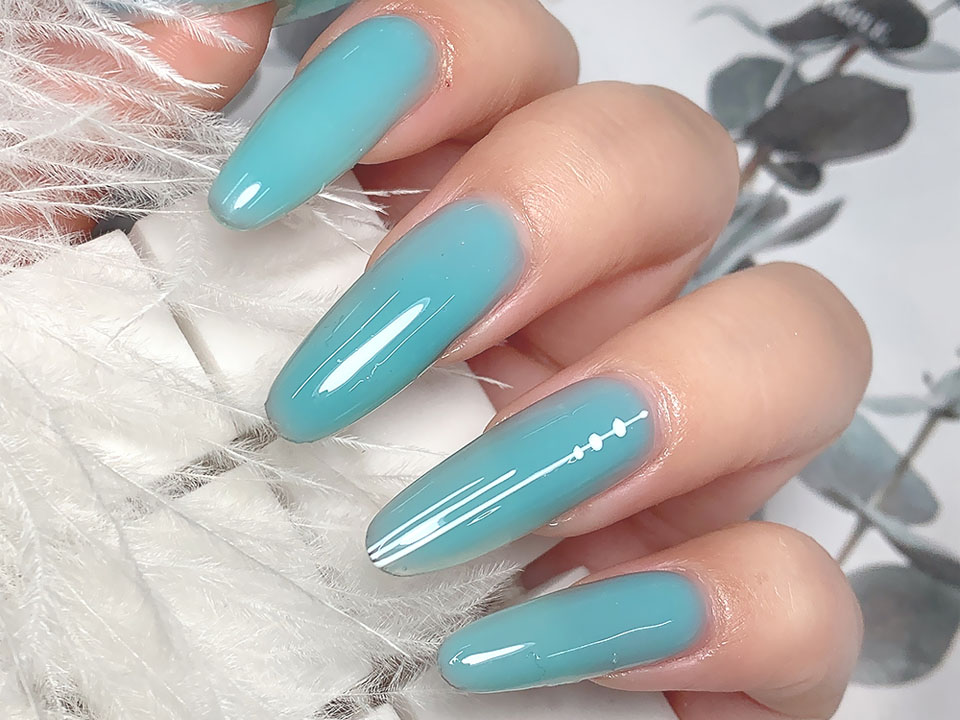
Think of these three like roles on a nail team:
Here’s the quickest way to keep it straight.
| Layer | Main job | What it feels like in wear | When you’ll reach for it |
|---|---|---|---|
| Primer | Boost adhesion (especially for problem lifters) | Strong grip, not a cushion | Oily nail plates, chronic lifting, extensions |
| Base coat | Bond + smooth + reduce staining | Balanced, light structure | Most gel polish services |
| Rubber base | Flex + mild structure + leveling | Softer, more forgiving | Thin/soft nails, bendy nails, overlays |
Base coat is your default. Most “my gel won’t stay” issues come from rushed prep or wrong thickness, not from skipping primer.
What works in real services:
If you’re building a product lineup, a reliable base coat is your “daily driver.” If you want a bulk option for salons, check a dedicated base coat gel product page like factory wholesale base coat gel nail polish.
Primer is not a “more is better” product. It’s a targeted tool.
Use primer when you see:
Skip primer when:
Keep it off skin and cuticles. If primer touches soft tissue, you invite irritation and future lifting because product can’t anchor to skin anyway.
If your client base includes sensitivity-focused markets, many brands now build collections around cleaner positioning (like HEMA-free options). For bulk sourcing, you might pair your standard base with a HEMA-free/TPO-free base & top coat option.
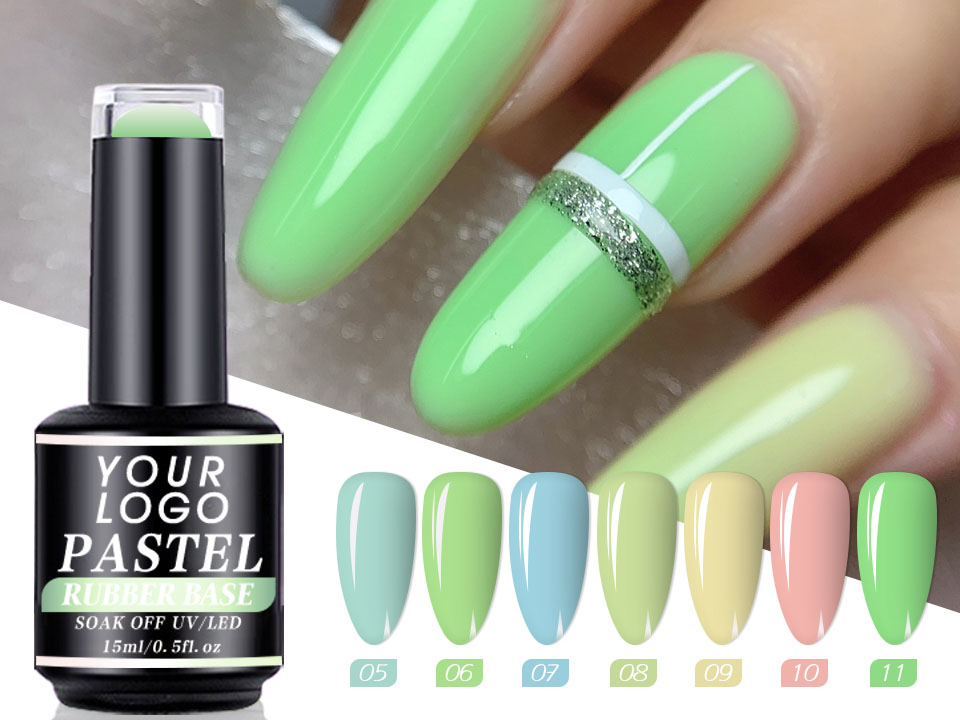
Rubber base shines when the natural nail moves.
If a nail bends, a hard, thin base can pop off like a sticker. Rubber base acts more like a cushion, so it can reduce stress at the free edge and sidewalls.
Common “rubber base” service scenarios:
If you’re testing rubber base for your catalog, these pages show different positioning you can map to your buyers:
Rubber base self-levels easily, so people get tempted to go thick. That’s when you see:
Keep structure controlled. If you need real strength or length, move up to extension products like a super hard extension gel.
You’ll hear different routines, but the logic stays the same:
In plain salon language: clean → grip → build.
If you sell to educators or pro techs, this order is the kind of training content that reduces refunds and negative reviews. It also helps distributors explain your system without sounding vague.
Here are the “real-world” problems and what usually fixes them.
| Pain point clients complain about | Nail tech slang | Most common cause | Fix that actually works |
|---|---|---|---|
| “It lifted at the cuticle” | pocket lifting | flooded cuticle / thick base near cuticle | thinner base near cuticle, better brush control |
| “It popped off in one piece” | sticker peel | poor prep, oily plate | better dehydration, scrub base coat in, add primer only if needed |
| “It chipped fast” | free-edge stress | no capping, flexible nail with rigid product | cap free edge, switch to rubber base overlay |
| “It feels soft” | under-cure | too thick or wrong lamp timing | thinner layers, proper curing routine |
If you want visitors to browse your full system, link them straight to your main collection hub: Best Gel Polish Manufacturer in Guangzhou and your category page for gel polish.
These are the core points pros rely on when choosing layers. Use them as section callouts, training bullets, or product-page copy.
| Argument title | What you should say (clear, specific) | Source type (no external links) |
|---|---|---|
| 1) Primer boosts adhesion | Primer helps product grip a difficult nail plate. It’s not “nail care.” | Manufacturer education notes |
| 2) Base coat bonds and protects | Base coat creates a bond layer and helps block staining for better wear. | Industry education + salon training |
| 3) Rubber base is flexible base coat | Rubber base behaves like a thicker, more elastic base. | Industry education |
| 4) Rubber base isn’t for everyone | Nail type decides. Strong nails don’t always need extra flex. | Industry education |
| 5) Dehydrator → bonder → primer order | Remove oil first, then add grip, then boost if needed. | Manufacturer education notes |
| 6) Oily nail plates need more grip | When nails reject product, grip-focused layers matter more than thickness. | Salon troubleshooting playbooks |
| 7) Product positioning matters | “Camouflage,” “repair,” and “odorless” speak to different buyers. | B2B merchandising practice |
If you’re building a range for retail, e-commerce, distributors, or training academies, don’t treat “base” as a single SKU. Base is a category.
A simple lineup that sells well:
That’s exactly why YY DEL POLISH usually maps products by use-case, not just by finish. It makes OEM/ODM planning easier, and it helps wholesalers sell the right item to the right buyer.
If you want “bundle-friendly” items that upsell naturally, you can pair base products with a durable top coat like diamond top coat no-wipe or a clean-positioned option like OEM 56 colors HEMA/TPO-free gel polish.
If you want, I can also turn this into a publish-ready page layout (meta title/meta description, FAQ blocks with “primer vs rubber base” keywords, and a tighter internal-link plan) while keeping the tone just as casual.