Talk to Our Expert
Our sales and engineers are available all the time, you can ask your specific requirements to our sales, and inspiration to our engineer here.

I’ve watched enough nail trends blow up on TikTok, spill into salon menus, and then quietly die in the back corner of a display rack to know when something is just content bait and when it’s becoming a real revenue category with staying power. This one feels real.
And not because it’s pretty. Because it pays.
I frankly believe that’s the part a lot of trend posts miss. They treat 3D nail art like a visual fad—as if the whole thing runs on bows, crystals, and “look at my set” energy—when the actual story is much more commercial: textured work is harder to dupe, easier to price up, and a lot more dependent on product behavior than most clients ever realize.
A plain gel manicure is easy to compare. Easy to undercut. Easy to copy badly at home and then complain about later. A full 3D set with stone clusters, raised detailing, encapsulated shimmer, and controlled depth? Different animal.
That difference matters.
According to Reuters’ April 18, 2024 report on L’Oréal sales, L’Oréal posted first-quarter 2024 like-for-like sales growth of 9.4%, while its consumer products division rose 11.1%. I’m not pretending that’s a nail-only metric. It isn’t. But it is a very clear beauty-spend signal. Consumers are still spending on visible upgrades that feel expressive, premium, and camera-friendly.
3D nail art fits that behavior almost too well. It photographs well. It reads as custom. It gives salons a service that can’t be reduced to “same color, lower price.” From my experience, the second a look becomes technique-heavy—real apex work, stone placement, raised gel art, clean encapsulation—the pricing conversation changes. You’re not selling color anymore. You’re selling hand skill.
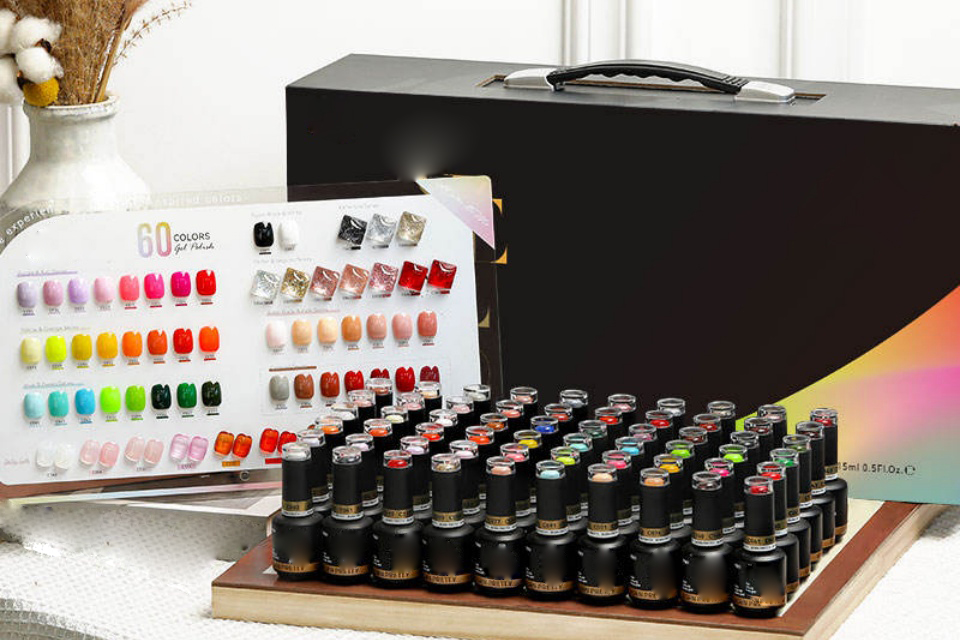
Here’s the ugly truth: a lot of people in this category talk about gel like it’s one big interchangeable bucket. It’s not. And when 3D work gets involved, that lazy thinking shows up fast.
A standard color gel is made to coat. A builder gel for nails is made to create structure, reinforce the nail, and handle load. A carving or jewelry-style gel needs to sit where you place it instead of self-leveling into mush before you can flash-cure it. A rhinestone placement gel needs grip—real grip—not just a thick feel in the jar. Those are separate jobs, and the service falls apart when people pretend otherwise.
So no, I don’t buy the “one miracle gel does everything” pitch. I never have.
If I were building a reliable 3D workflow, I’d start with a proper builder gel system for structure, then switch to a non-sticky builder gel for carving and raised details when I need crisp bows, petals, ridges, or relief that won’t slump. For finer texture work, I’d pull in a 3D no-wipe painting paste gel because detail control matters more than marketing language. And for transparent body—especially when you want that syrupy, glassy depth in aquarium styles—I’d use a jelly builder gel for layered clear effects.
That stack is less sexy than trend marketing. It works better.
But here’s where the conversation gets less fun and a lot more important. The more 3D the set becomes, the more chemistry starts to matter. More product. More bulk. More cure dependence. More chances to get sloppy around the sidewalls or cuticle line if the operator doesn’t know what they’re doing.
That’s not me being dramatic. According to the FDA’s nail care products guidance, most nail products sold for salon or home use are regulated as cosmetics, generally do not require FDA preapproval before marketing except for most color additives, and may contain ingredients considered safe only when used as directed. The FDA also flags allergic reactions, methacrylate monomers, and injury risks tied to artificial nail systems.
Which is exactly why I get impatient when people reduce the whole topic to “just use a thicker gel.”
The British Association of Dermatologists was more direct. In its BAD warning on artificial nails and at-home kits, published in April 2023, the association warned that uncured or under-cured product on the skin can increase sensitization risk, and that latex or vinyl gloves do not reliably protect against these chemicals. It also pointed out something the industry really doesn’t talk about enough: methacrylate sensitization can affect future medical or dental procedures because related materials are used there too.
That’s not a minor detail. It’s a flashing red light.
And the clinical signal is getting louder. On December 6, 2024, Amsterdam UMC reported that the number of nail salons in Amsterdam had tripled over the previous decade and that 4% of patients tested at its allergy department showed acrylate sensitivity—about double the rate from ten years earlier. The report also noted that cuticle damage and micro-injury can make skin penetration easier.
Then California moved. In November 2024, the California Department of Toxic Substances Control took action on nail products containing methyl methacrylate. The DTSC rulemaking notice and the related DTSC product listing page make it clear that this is no longer just salon chatter or online panic.
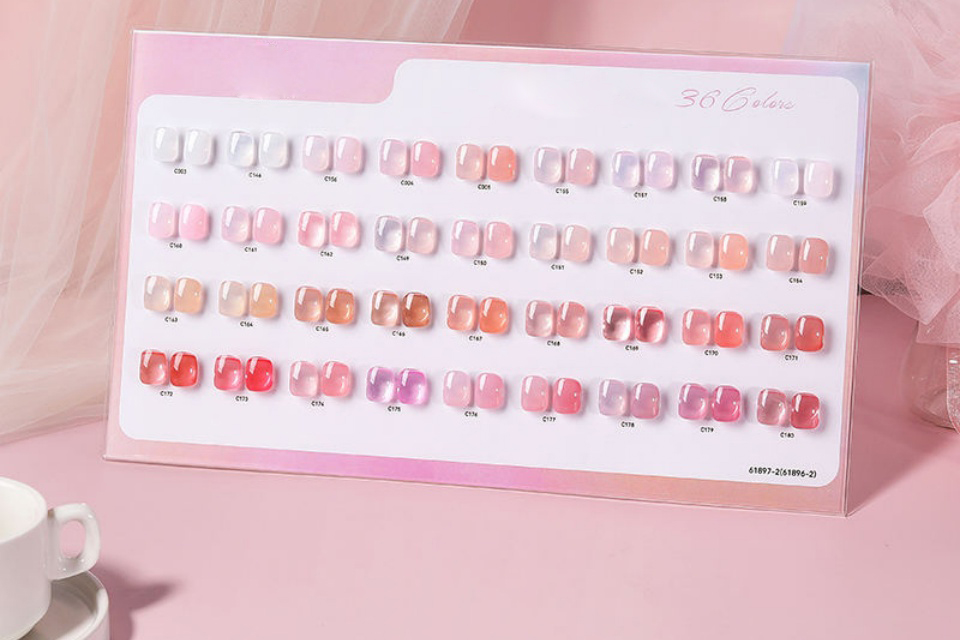
People keep asking for “the best gel for 3D nail art” as if there’s one universal answer sitting in a jar with a cute label. There isn’t. There’s only fit.
And fit changes everything.
| Use case | What the gel must do | Where it usually fails | Best-fit product path |
|---|---|---|---|
| Base structure for sculpted nail designs | Build apex, reinforce stress points, resist collapse | Too soft, over-flexes, stones pop later | Builder gel for nails |
| Raised flowers, bows, ridges, carved texture | Stay exactly where placed, minimal running | Self-levels before cure, loses edge definition | Non-sticky builder gel for carving |
| Fine 3D detailing and layered texture | Hold brush marks, cure clean, no top-coat mess | Smears, dulls, or floods tiny details | 3D no-wipe painting paste gel |
| Aquarium nails and glassy encapsulation looks | Deliver transparent body and layered depth | Turns cloudy, traps bubbles, collapses volume | Jelly builder gel for aquarium nails |
I prefer this framing because it forces a better question. Not “What’s trending?” but “What behavior do I need from this material?” That’s how real techs think when money, retention, and rebooks are on the line.
I still see the lazy method everywhere. Top coat, drop the stone, cure, done. It can work for tiny crystals on a short wear cycle. Sometimes.
Usually not.
A durable set starts below the bling. The structure has to be right first—good prep, correct apex, no weird weak spots near the stress area. Then the stone goes into a denser medium that can actually hold weight without flooding the facets or drifting before cure. Seal around the base if needed, yes, but don’t drown the crystal. That kills the shine and, frankly, makes the whole set look cheaper.
Same with sculpted gel. If the product runs, your detail softens. If it shrinks, your shape gets muddy. If it bulk-cures badly, you may not see the failure on day one, but the client will absolutely show you on day eight.
That’s why I rate behavior above branding. Every time.
Yet this is where people get carried away. Aquarium nails sound dramatic, so everyone wants to stuff the nail full of glitter, flakes, beads, foil, stars—whatever’s on the desk that day. That’s usually the wrong instinct.
The better version is more restrained.
What actually makes aquarium nails work is optical depth. Clear or semi-clear body. Controlled layering. Suspended shimmer that looks intentional instead of trapped. Enough transparency that light can move through the build and create that glassy effect people associate with luxury sets. When the architecture is off, the result goes cloudy, bulky, or just plain tacky.
I’ve seen both.
And the gap between “editorial” and “craft-project chaos” is smaller than people think. Good product choice helps, but so does restraint. Not every nail needs a whole aquarium.
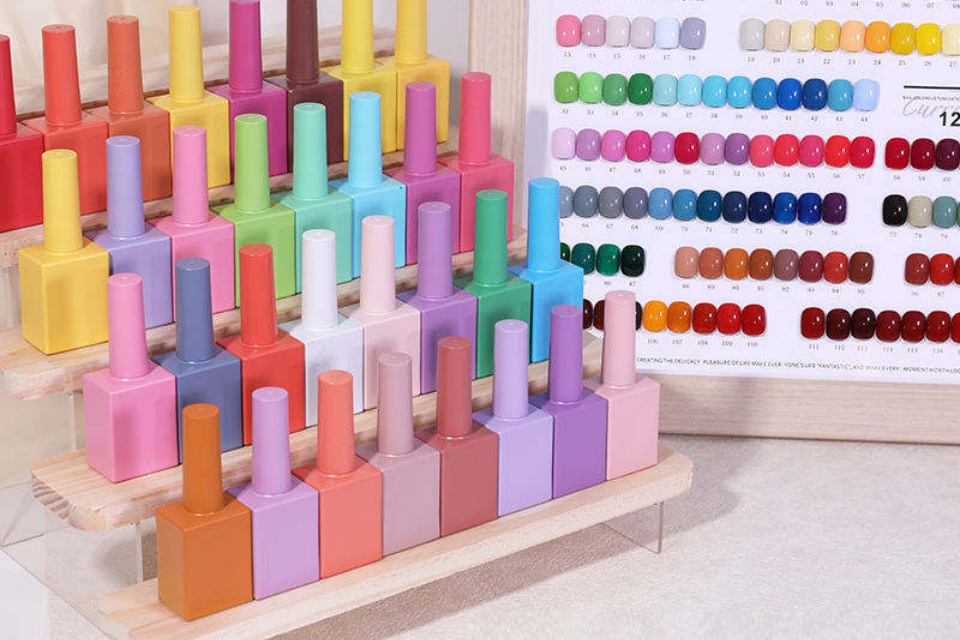
If I were sourcing for a salon group, an academy, or a private-label line, I wouldn’t be impressed by trend words. “Diamond.” “Crystal.” “Luxury.” “Jelly.” Fine. Nice labels. None of that tells me whether the product behaves properly under service conditions.
I want the boring answers.
Is the builder self-leveling or more static? How does it behave in summer heat? Can the carving gel hold a ridge without slumping while you work? What lamp output was used in testing? How consistent is the batch texture? Is there proper documentation behind the formula? Can the supplier support scale without quality drift?
That’s why I’d rather inspect a supplier’s quality assurance process for nail gels than read another page of fluffy product copy. And if the goal is a custom line rather than random off-the-shelf buying, I’d much rather work with a manufacturer that supports OEM and ODM nail gel development than build a messy catalog one disconnected sample at a time.
Because that’s what usually happens. SKU bloat. Overlap. Confusion. Margins getting eaten by products that sound different but perform almost the same.
What is builder gel for nails? Builder gel for nails is a thick UV/LED-curable enhancement gel used to strengthen the natural nail, create an apex, build short extensions, and support heavier decoration such as rhinestones or raised art, making it much more suitable than ordinary color gel for structured 3D work. In simple salon language, it’s the backbone layer—the part doing the heavy lifting.
How do you apply rhinestones on nails so they actually stay on? To apply rhinestones on nails so they stay on, place each crystal into a controlled bead of thick gel or dedicated stone gel over a properly structured nail, cure it fully with the correct lamp, and seal around the base instead of flooding the entire crystal surface. That’s the clean answer. The real answer is that prep, apex placement, and cure discipline matter just as much, which is exactly why the BAD warning on artificial nails and at-home kits still matters.
What is the best gel for 3D nail art? The best gel for 3D nail art is usually a system rather than a single formula, typically combining builder gel for structure, a denser carving or jewelry-style gel for raised details, and a strong placement medium for larger stones or charms. People want a one-bottle answer. I get it. But different textures fail in different ways, so the best setup depends on what the design is asking the product to do.
What are aquarium nails? Aquarium nails are transparent or semi-transparent 3D nail designs that create the illusion of suspended depth, floating glitter, or glass-like movement by layering clear or jelly gels around decorative elements to produce a dimensional encapsulated effect. The polished version looks airy, glossy, and expensive. The bad version looks thick, cloudy, and overpacked.
Is builder gel safer than acrylic? Builder gel is not automatically safer than acrylic because both systems depend on formula, application control, cure quality, and strict avoidance of repeated skin exposure to uncured methacrylate-containing products during wear or service. That’s the answer people often don’t want because it ruins the product-war narrative. But the FDA’s nail care products guidance makes the same point in more formal language: use conditions matter.
If the goal is to turn 3D nail art into a premium service instead of a short-lived trend add-on, the route is actually pretty straightforward—build the structure properly, choose formulas by function, verify the chemistry, and source like someone who expects the set to last. Start with the builder gel range, review the quality assurance standards, and if you’re planning a house line, take the OEM/ODM route before your catalog turns into a pile of near-duplicate gels with different labels and the same performance problems.