Talk to Our Expert
Our sales and engineers are available all the time, you can ask your specific requirements to our sales, and inspiration to our engineer here.

It feels off.
You cure a layer, tap it with a glove, and that gummy drag makes you think the bottle is junk, the lamp is weak, or the whole set is about to peel by Thursday—yet in many cases the manicure is behaving exactly the way the chemistry says it should. That surprises people. Still.
But here’s the ugly truth: the nail industry has done a sloppy job explaining this, and I’ve watched too many techs, brand owners, and DIY users throw around “sticky,” “under-cured,” and “failed cure” like they’re the same thing, even though they lead to very different service decisions and very different risks. That’s the mess.
The thin tacky film left on many cured gels is called the inhibition layer. Oxygen in the air interferes with surface polymerization, so the very top stays sticky while the layer underneath may already be properly cured. That’s not salon folklore. It’s basic cure chemistry, and radtech.org spells it out in plain technical terms.
So no—sticky does not automatically mean bad.
And that distinction matters more than people think, because once you confuse a normal inhibition layer with real under-curing, you start making dumb corrections: over-wiping, over-curing, mixing random lamps with random formulas, or worse, dragging half-cured product across skin and pretending it’s harmless cleanup. It isn’t harmless. According to FDA’s 2024 nail care guidance, nail cosmetics are supposed to be safe when used as directed, and the agency also flags allergic reactions and infections as real concerns in this category. The British Association of Dermatologists says the same thing more bluntly: skin contact with uncured product and poor curing practices can raise allergy risk.
That’s where the conversation should start. Not with shine. Not with TikTok hacks. With chemistry.
Yet the sticky layer isn’t just “leftover goo.” I frankly believe that phrase has damaged nail education more than it helped. In related light-cured acrylate systems, that oxygen-inhibited surface can actually help the next layer lock on, because fresh material can merge into that reactive interface and cure with it. A dental composite paper found that keeping the oxygen-inhibited layer improved interlayer bond strength, while removing it reduced that bond. No, nails are not teeth—I know—but the curing logic is close enough to matter, and the study on pmc.ncbi.nlm.nih.gov points in the same direction most experienced techs already know from the bench: wiping every layer “just because” is often bad practice dressed up as neatness.
I’ve seen it a lot.
A tech lays down a base coat, wipes it because the tack scares them, drops on color, then complains the color is fisheyeing, dragging, or bonding like trash. Of course it is. You stripped away part of the reactive handshake between layers and then blamed the bottle.
That’s the part people don’t say out loud.
Now, no-wipe top coats are different. Not spiritually different. Formulation different. The RadTech review says tacky layers come from oxygen quenching radical cure at the surface, and it also points out that soft gel tops are more likely to stay tacky while hard gel tops are more likely to cure tack-free; it even notes that higher levels of reactive (meth)acrylates can push the system toward a tack-free finish. So when a no-wipe top coat comes out dry, that does not mean it cured “better” in some moral sense. It means the chemists built a different surface behavior into it. That’s it.
And that’s why a dedicated no-wipe system—say, something like a diamond no-wipe top coat—should not be judged by the same rules as a traditional wipe top. Different resin balance. Different photoinitiator package. Different end-use expectation.
So let’s stop flattening everything into one bucket.
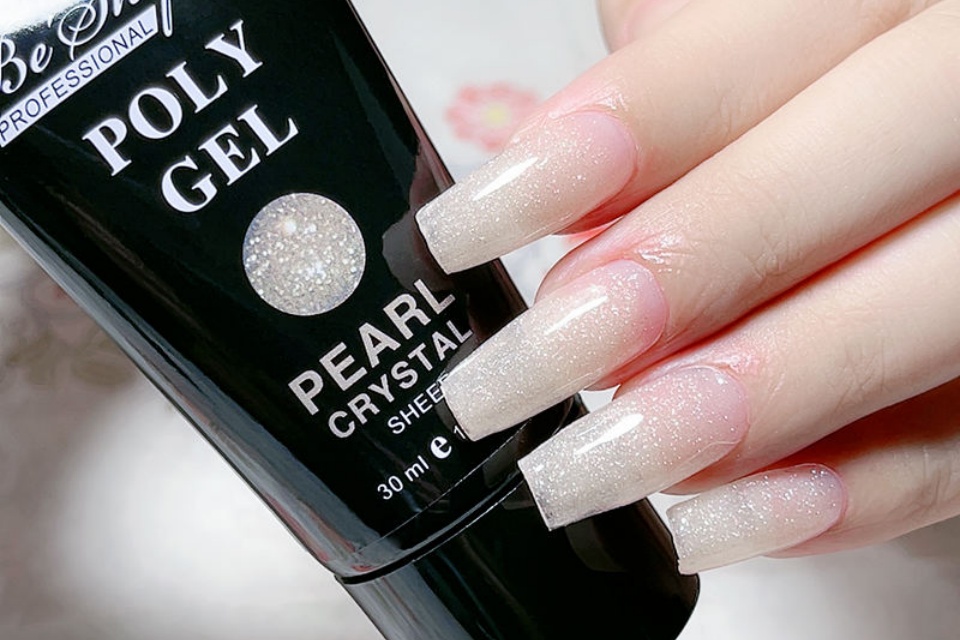
Here’s the simple split I use in the real world, and it saves time because it cuts through the nonsense fast. If the layer is thin, evenly cured underneath, glossy or semi-gloss depending on formula, and only has that light tack on top, I treat it as a normal inhibition layer. If the surface wrinkles, dents, strings, transfers pigment, or stays mushy after proper cure time, I stop right there. That’s not normal tack. That’s a cure problem.
Big difference.
And the safety side? That’s where people get careless. The British Association of Dermatologists warns that at-home gel kits can carry more risk, especially when users let product touch skin or use lamps that don’t match the system. That advice lines up with what old-school formulation people have said for years: not every lamp drives every gel correctly, and “it lights up” is not the same thing as “it cures the photoinitiator package the brand used.”
From my experience, this is where bad habits breed. People buy one cheap lamp, then throw five brands under it, then wonder why the top coat sweats, the builder stays rubbery at the apex, or the color cures weird near the sidewalls. They call it a sticky layer. Sometimes it is. Sometimes it’s a mess wearing a lab coat.
And there’s hard data behind the concern. In a 2024 Amsterdam UMC retrospective study, 67 women were diagnosed with allergic contact dermatitis linked to acrylate-containing nail cosmetics; 97% had a positive patch test to HEMA, 27% were professional nail stylists, and the most common dermatitis sites were the fingers, hands, and head/neck. That’s not a fringe anecdote. A separate 2024 literature review on DIY nail cosmetics found that allergic contact dermatitis was the most common adverse event, mostly tied to (meth)acrylates used in gel polish, acrylic systems, and nail glue.
So yes, the sticky layer conversation sounds small. It isn’t.
Then throw regulation on top. In Europe, TPO—trimethylbenzoyl diphenylphosphine oxide—was classified as a CMR category 1B reproductive toxicant under Commission Delegated Regulation (EU) 2024/197, which led to a cosmetics ban from 1 September 2025, and the European Commission’s TPO Q&A lays that out clearly. Different issue? Sure. Same wake-up call? Absolutely. Cure chemistry, photoinitiators, residue, lamp compatibility—none of this is decorative fluff.
It’s formulation math.
And that’s exactly why brands selling HEMA/TPO-free base coat or specialized finishes can’t just slap “professional” on a label and call it done. If a formula wipes, say it wipes. If it cures tack-free, say why. If it needs a matched lamp window, document it. Otherwise you’re pushing confusion downstream to salons and clients.
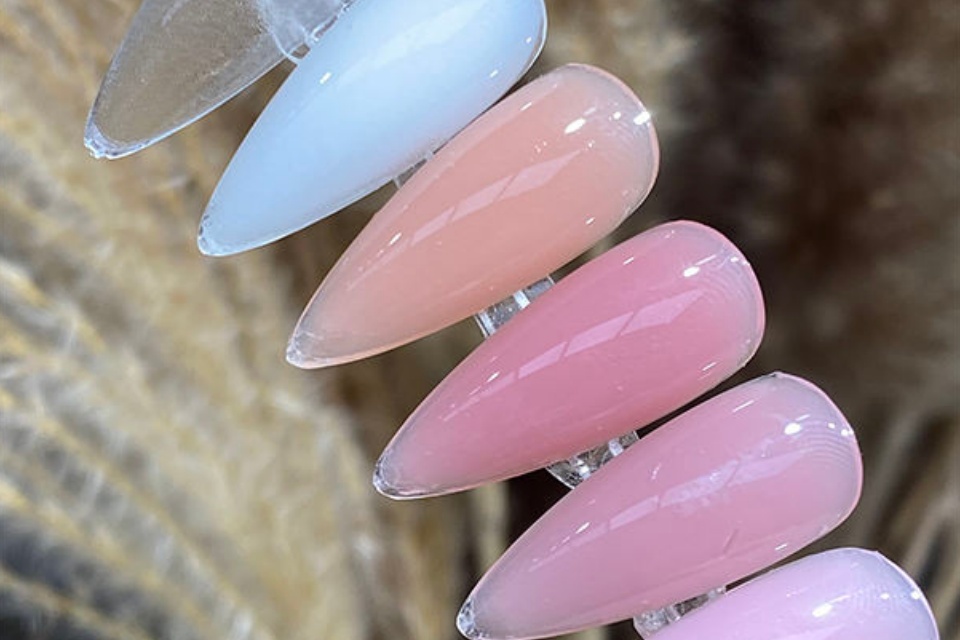
Here’s the operational version:
| Situation | What the sticky layer usually means | What I’d do |
|---|---|---|
| Base coat before color | Normal bonding surface | Leave it alone and continue |
| Builder or color before the next gel layer | Usually a transition layer, not a defect | Leave it unless the system specifically tells you to cleanse |
| Final traditional wipe top coat | Expected inhibition layer | Cleanse the finished surface |
| Final no-wipe top coat that still feels tacky | Possible cure mismatch, thickness problem, or contamination | Recheck lamp, cure time, product compatibility, and application thickness |
| Wrinkled, soft, mobile, or smearing surface | Not a normal inhibition layer | Remove safely and redo; do not “seal the problem in” |
I know that table looks simple. Good. It should. Service logic should be simple even when formulation chemistry is messy.
But, again, the industry loves fake universal rules because fake universal rules are easy to sell. “Always wipe.” “Never wipe.” “Cure longer.” “Use stronger watts.” Half of that advice is junk once you leave the beginner level. A shiny top coat behaves one way. A traditional wipe top behaves another. A rubber base can move differently from a rigid top. A builder layer can look set on top and still be wrong below if you piled it on like cake batter. Product architecture matters.
So how do you remove the inhibition layer properly?
Keep it boring. Really.
Industry practice usually relies on a brand cleanser or isopropyl alcohol on a lint-free wipe after the final cured wipe layer. Patent literature around UV nail coatings even describes isopropyl alcohol as the standard tack-removal solvent after cure, which is why that old habit came from somewhere real and not just salon myth; you can see that in patents.google.com. The point, though, is not to scrub like you’re sanding a countertop. Wipe cleanly. Don’t flood. Don’t smear residue onto skin. Don’t keep rubbing as if force can correct poor polymerization.
It can’t.
My own rule is plain. If the layer still needs another gel layer, I usually leave the tack alone. If it’s the final traditional wipe top, I cleanse it. If it’s a no-wipe top and it still feels sticky, I troubleshoot the system instead of acting like more elbow grease will save me. Wrong lamp? Too thick? Contamination? Bad batch? Those are real questions.
And for private-label buyers, this is where quality assurance actually means something. Not in a brochure. In the lab. Cure profile, viscosity curve, lamp match, top-surface behavior, wipe vs no-wipe logic—those details separate a stable line from a headache factory. If you’re building a range through OEM/ODM services, your supplier should be able to explain the cure window and residue behavior without hiding behind vague marketing copy.
Because clients notice.
And pros notice faster.
A sticky gel surface after curing is usually an oxygen-inhibited top film, which means air interrupted free-radical curing at the outermost layer while the coating underneath may still be properly set, so the tackiness often reflects normal surface chemistry rather than total application failure. If the layer looks smooth and stable, that’s often normal in wipe systems; if it’s wrinkled, soft, or shifting under pressure, I’d suspect under-cure, an incompatible lamp, or a layer that was applied too thick. radtech.org
You usually should not wipe the inhibition layer off every gel coat because that tacky surface often acts as the transition zone for the next layer, while the final cured top coat is the stage most systems expect you to cleanse unless the top coat was specifically formulated as no-wipe. In plain salon terms: wiping every layer can create more trouble than it solves, especially when you need the next coat to grab and level correctly. pmc.ncbi.nlm.nih.gov
The inhibition layer is typically removed with the system’s designated cleanser or an isopropyl-alcohol wipe solution on a lint-free pad, used after the final cured wipe layer, because the goal is to lift surface residue cleanly without smearing uncured material onto skin or dulling the finish with aggressive handling. I’d still trust the brand system first, then improvise only when you actually understand how the formula behaves. patents.google.com
A sticky layer does not automatically mean the whole manicure is unsafe, but repeated contact with uncured or under-cured acrylate residue raises the sensitization issue that dermatologists and regulators keep warning about, which is why proper curing, skin avoidance, and correct final cleansing matter much more than most people assume. That’s also why formula selection now matters more than it did a few years ago, especially as regulators and clinicians pay closer attention to photoinitiators and acrylate exposure. bad.org.uk
If you’re sourcing gels that cure cleanly, bond well, and behave predictably in real salon use, start with our gel polish catalog and compare the right top coat options for your system. If you need tighter consistency, safer chemistry, or better curing performance, review our quality assurance standards or reach out through our contact page.
And if you’re building a private-label line, not just buying stock shades, our OEM/ODM services can help you develop gel products that match your lamp specs, finish targets, and market requirements—without the usual guesswork.