Talk to Our Expert
Our sales and engineers are available all the time, you can ask your specific requirements to our sales, and inspiration to our engineer here.

Labels lie. Often.
I’ll say the quiet part out loud: too many brands treat “HEMA-free” like a moral certificate, when in real salon use it’s only one piece of a much messier exposure problem involving residual monomers, other acrylates, photoinitiators, cure behavior, skin contact, filing dust, and sloppy labeling that would make any serious buyer nervous. So yes, I like HEMA-free systems. But no, I do not trust the front label by itself.
The data backs that skepticism. A 2024 online market survey in Contact Dermatitis found HEMA in nearly 60% of 394 nail products, while mandatory warnings were missing on a large share of HEMA-containing packs; the authors concluded EU-law violations occurred in more than 30% of products. That is not a niche paperwork issue. That is a supplier-screening issue. (PubMed)
And the clinical side is worse than many distributors admit. A 2024 Amsterdam retrospective study reported 67 women diagnosed with allergic contact dermatitis from acrylate-containing nail cosmetics; 97% had a positive patch test to HEMA, and 80% cleared after avoiding acrylate exposure. Another 2024 patch-testing paper from Israel reported the highest HEMA sensitivity frequency they had seen to date, 8.1%, largely tied to nail cosmetics. That is not “internet panic.” That is dermatology data. (PubMed)
HEMA-free gel polish is not the same thing as allergy-proof gel polish. It simply means the formula does not include 2-hydroxyethyl methacrylate, which is one of the best-known sensitizers in this category. Other methacrylates, acrylates, adhesion promoters, and curing agents may still be present. That matters because clients do not react to marketing language; they react to chemistry.
The FDA puts it plainly: the finished polymer is usually the safer part, but traces of reactive monomers can remain, and those traces can trigger redness, swelling, and pain in people who have already become sensitive to methacrylates. That is why skin contact is not a minor application error. It is the error. FDA nail care guidance says avoiding skin contact helps minimize allergic reactions. (U.S. Food and Drug Administration)
So what do I look for first? Not color payoff. Not trend collections. Not cute bottle design. I look for whether the brand has built a credible low-exposure system from base to top.
Here’s my unpopular opinion: if you get the base wrong, the rest of the manicure is already compromised.
Base coat sits at the adhesion interface. It is the layer most likely to tempt formulators into using aggressive monomers for grip, and it is the layer most likely to creep onto the skin when the tech works too fast, overloads the brush, or tries to float product close to the cuticle on a difficult nail plate. For sensitive clients, I would start by screening a true HEMA/TPO-free base coat or a verified HEMA-free base and top coat gel system before I even think about shade count.
And yes, I want paperwork. Full INCI. SDS where relevant. Cure instructions. Lamp compatibility. Batch consistency. If a supplier hides behind “proprietary blend,” I assume they are saving me from a sale I should not make.
That attitude is not paranoia. The European Commission’s earlier HEMA rules already pushed nail products containing HEMA and di-HEMA TMHDC toward professional-use restrictions and warning language because of sensitization concerns, and the regulatory direction has only become tighter since then. (EUR-Lex)
Color is where brands get noisy. Ingredient discipline? Not always.
A shade can be HEMA-free and still be a bad choice for a reactive client if the formula leans on other reactive monomers or if the cure profile is unstable under the lamp your salon actually uses. And that is why I prefer suppliers that can show consistent system thinking across categories, not just one “safe hero SKU.” A broad HEMA/TPO-free color gel line for salon use or a documented private-label HEMA-free rubber base range tells me the manufacturer at least understands reformulation at scale.
But I still check the boring stuff. Especially the boring stuff.
Does the product specify exact cure time under UV versus LED? Does it mention film thickness? Does it warn against skin flooding? Does it pair with a known base/top system, or is it being sold as universal? “Universal” is one of those words that sounds helpful until you have a sensitized client in your chair.
A lot of salons obsess over base adhesion and forget the finish layer. Bad move.
Top coat can still expose the client and the tech if the formula is messy, the cure is incomplete, or the no-wipe claim encourages careless over-application around the sidewalls. For sensitive clients, I like to keep the finish layer simple and well-documented, whether that means a matte HEMA/TPO-free top coat or a tightly controlled top coat collection that is clearly built to work with its matching base and color layers.
And let’s kill one lazy assumption right now: “vegan” does not equal low-allergen. A 2024 case report described allergic contact dermatitis from a vegan HEMA-free gel nail polish that still contained other acrylates and isocyanates. That single paper will not rewrite the whole category, but it does expose a nasty industry habit: swapping one red-flag ingredient out while quietly leaving enough sensitizing potential in the formula to keep dermatologists busy. (PubMed)
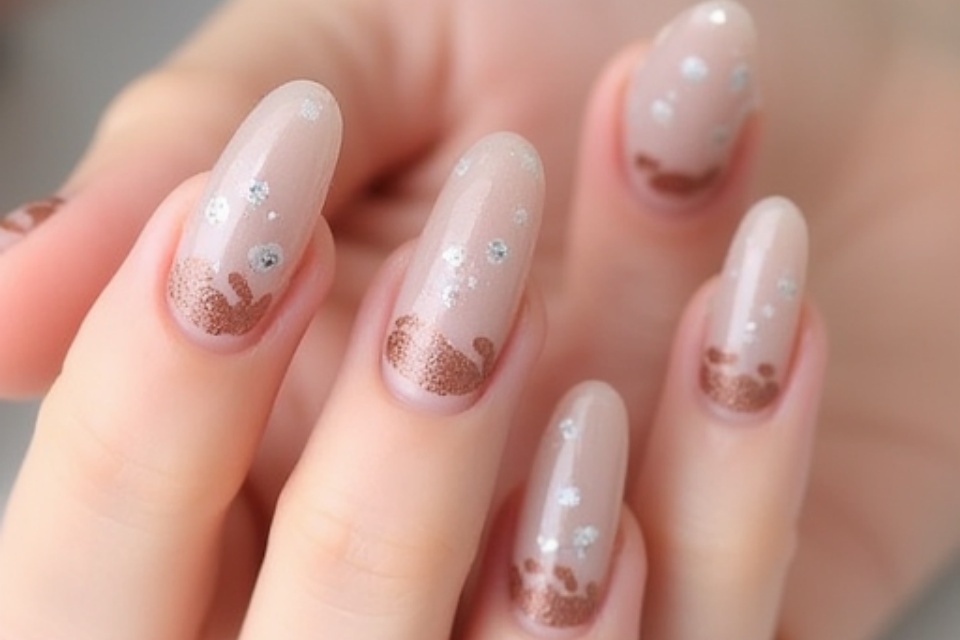
This part is simple. And expensive, if you ignored it too long.
The European Commission states that from 1 September 2025, TPO-containing cosmetic products cannot be placed on or made available on the EU market, and professional users such as nail technicians cannot use them on clients from that date either. The Commission’s Q&A also notes that the discussions started in March 2024, which means any serious manufacturer had time to prepare. European Commission’s TPO Q&A is worth reading line by line if you buy, import, private-label, or distribute into Europe. (内市场与企业发展)
So when I hear a supplier say, “We’ll reformulate later,” I hear, “We are asking you to carry our regulatory risk.”
That is not a partnership. That is a transfer of liability dressed up as patience.
Below is the short version. Not glamorous. Very effective.
| Product Layer | What I Check First | Red Flags | Buying Rule |
|---|---|---|---|
| Base coat | HEMA/TPO status, full INCI, cure time, skin-contact warning | Vague “sensitive-safe” claims, no cure specs, no documentation | Start with the lowest-risk adhesion layer and verify it matches your lamp and service protocol |
| Color gel | Full-system compatibility, pigment load, viscosity, cure depth | “Universal” use claims, thick self-leveling colors with weak instructions | Use shades from a system that documents lamp, layer thickness, and service steps |
| Top coat | Cure completeness, wipe/no-wipe behavior, finish durability | Overbuilt claims, incompatible shrinkage, no pairing guidance | Keep the finish layer simple and matched to the base/color system |
| Builder/BIAB | Monomer profile, heat spike behavior, filing dust management | One-bottle miracle claims, poor documentation, unclear allergen positioning | Use only when needed, and only from suppliers with strong technical and compliance support |
| Supplier level | QA records, batch consistency, regulatory awareness, response speed | Slow answers, hidden INCI, no compliance language, weak traceability | Choose manufacturers with visible quality assurance and structured OEM/ODM services |
This table is not medical advice. It is purchasing discipline.
First, I would not promise “hypoallergenic.” I think that word gets abused.
Second, I would move to a tightly controlled system: HEMA-aware, TPO-aware, low skin contact, thin application, exact cure times, no flooding, careful removal, and strong dust control. The 2018 SCCS opinion on HEMA and di-HEMA TMHDC said the exposure picture changes when product is applied only to the nail plate and adjacent skin contact is avoided; it also flagged professional exposure through filing dust and routine handling without proper protection. That is why product choice and technique cannot be separated. (Public Health)
Third, I would document every SKU used. Sensitive-client services should not be improvised from whatever bottle happens to be nearest the lamp.
And fourth, I would tell the truth: if a client has already developed a real methacrylate allergy, switching bottles may not be enough. At that point, a dermatology referral and patch testing matter more than a new shade launch.
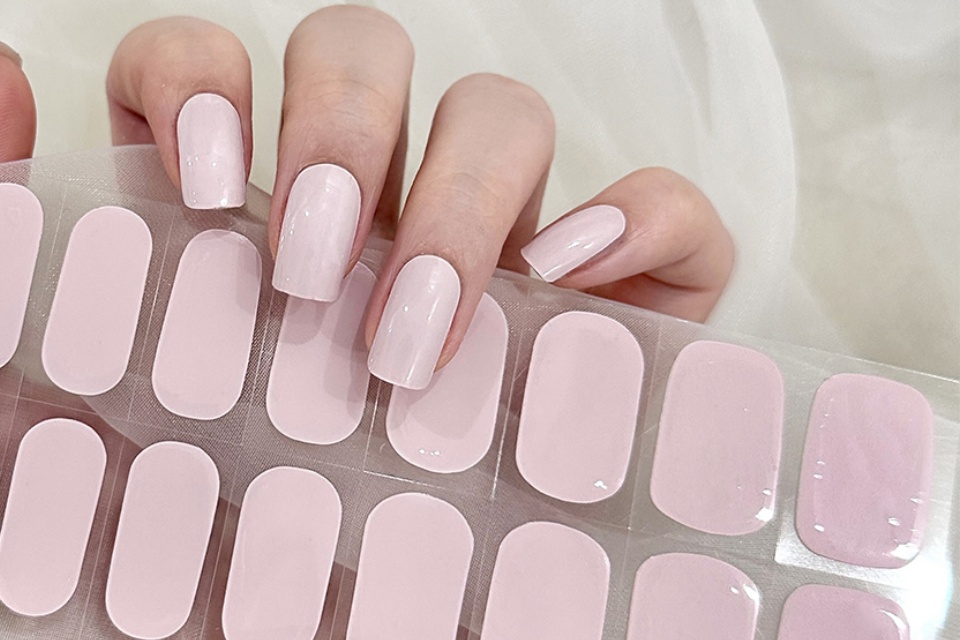
HEMA-free gel polish is a UV/LED-curable nail product formulated without 2-hydroxyethyl methacrylate, a well-known methacrylate sensitizer, but it may still contain other acrylates, methacrylates, oligomers, or photoinitiators that matter for reactive or allergy-prone clients. (PubMed)
It is a useful filter, not a complete safety verdict. I treat it as the first screen, then I read the full ingredient deck, cure instructions, and supplier documentation before I trust it on a sensitive client.
HEMA-free gel is not automatically safe for allergy-prone clients because sensitization can still involve other acrylates, residual monomers, curing issues, repeated skin contact, or filing dust exposure, all of which can contribute to irritation or allergic contact dermatitis in real salon conditions. (U.S. Food and Drug Administration)
That is why I dislike lazy “safe for everyone” claims. A smarter approach is to use a well-documented system, keep product off skin, cure exactly as directed, and stop guessing when a client reports prior reactions.
For salons serving sensitive clients, a HEMA-aware and TPO-free system is a practical risk-reduction strategy because it removes one common sensitizer and aligns with current EU rules that prohibit TPO-containing cosmetic products from being marketed or professionally used from 1 September 2025. (内市场与企业发展)
Even outside Europe, I think the direction of travel is obvious. Better chemistry, tighter compliance, less regulatory whiplash. Waiting for enforcement to teach the lesson is a costly habit.
A supplier fit for sensitive-client services should provide a full INCI list, clear cure times, lamp compatibility guidance, allergen and warning language, batch traceability, and credible compliance support for base, color, top, and builder products used as one working system. (PubMed)
If those documents arrive late, half-complete, or wrapped in sales fluff, I move on. Fast. Sensitive-client service is not where you gamble on vague promises.
If you are building or revising a salon-safe range, start with the chemistry that does the least damage to your credibility: a verified HEMA/TPO-free base coat, a controlled HEMA/TPO-free color system, and a matching top coat workflow. Then pressure-test the supplier, not just the swatch card. That’s how you protect sensitive clients and your business at the same time.