Talk to Our Expert
Our sales and engineers are available all the time, you can ask your specific requirements to our sales, and inspiration to our engineer here.

The market is moving. And that is exactly why so many founders get sloppy.
According to Circana’s August 2024 beauty report, the U.S. prestige beauty market grew 8% to $15.3 billion in the first half of 2024, even while mass-channel sales stayed flat. Growth like that makes private label look easy, and easy is where expensive mistakes begin. (Circana)
I’ll say the quiet part. Most first-time buyers of private label gel polish do not have a branding problem. They have a decision-order problem. They start with shade names, logo placement, and Instagram mood boards, when the hard money is tied up in formula exposure, compliance files, bottle architecture, and reorder economics. Why obsess over “Milky Nude 07” if you still do not know who owns the safety file?
The good news is simple. If you decide these five things before money moves, you stop behaving like a hobby brand and start behaving like a buyer.
Chemistry first. Always.
The lazy way to buy gel polish is to ask for “best sellers” and let the factory fill a box. The smarter way is to define your acceptable ingredient profile, curing behavior, odor level, viscosity window, salon target, and claim set before a single swatch is approved. A 2024 market survey indexed in PubMed found HEMA in nearly 60% of nail cosmetics surveyed and reported EU-law violations in more than 30% of products. The British Association of Dermatologists has been warning about rising allergic reactions, and Amsterdam UMC said in December 2024 that 4% of patients tested in its allergy department showed acrylate sensitivity, double the rate of a decade earlier. (PubMed)
That is why I would lock this down in writing: HEMA or HEMA-free, TPO or TPO-free, soak-off time, opacity in one coat versus two, self-leveling behavior, heat spike tolerance, and lamp compatibility. FDA says nail products sold in the U.S. must be safe when used as directed, warning statements must be included when needed to prevent health hazards, and ingredient declarations are required for retail cosmetics even if a product is also labeled for professional use. That is not marketing copy; that is the baseline you are ordering into. (U.S. Food and Drug Administration)
If you want a practical place to benchmark what a factory is already offering, review a HEMA/TPO-free gel polish line and compare it against your own target claims before you ask for custom work. But do not confuse “HEMA-free” with automatic safety virtue. A bad formula can still be bad.
This is where amateurs get punished.
Under MoCRA, the responsible person must maintain safety substantiation records, report serious adverse events to FDA within 15 business days, list marketed cosmetic products, and work within a registration system that now matters far more than it did a few years ago. FDA also updated its registration-and-listing guidance in December 2024. Translation: once your name is on the label, “the factory handled it” stops sounding like a defense and starts sounding like an admission. (U.S. Food and Drug Administration)
For EU-facing brands, the file stack matters even more than the formula sample on your desk. One supplier’s quality assurance system says it can provide a CPNP-ready file, Product Information File, safety assessment, SDS, INCI list, and stability reports, while the buyer still needs to appoint an EU Responsible Person and complete final CPNP registration. Good. That is the kind of division of labor I want to see spelled out before PO number one, not after customs asks questions. (Best Gel Polish)
My rule is blunt: if your custom gel polish manufacturer cannot tell you, in one email, who supplies the CoA, who holds the batch records, who prepares the PIF/CPSR package, and who responds when an adverse event lands, then you do not yet have a supplier. You have a roulette wheel.
Fewer shades. Better launch.
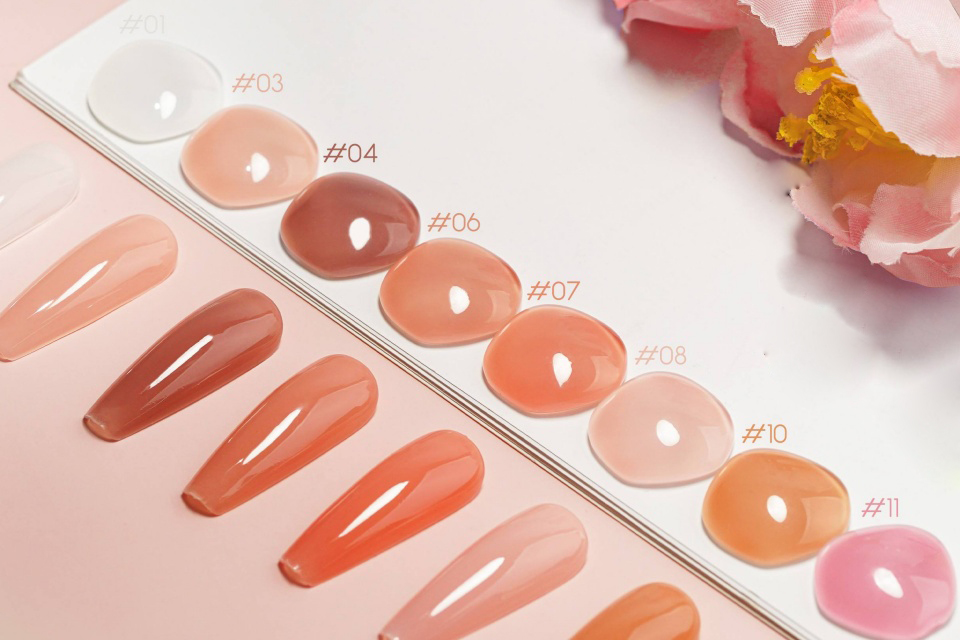
I have watched too many brands order 48 colors because the catalog made them feel like a global giant. Then six months later, 11 shades do all the volume, 19 shades are dead stock, and the “hero collection” is just frozen cash in a warehouse. The hard truth is that your first order is not supposed to prove you are creative. It is supposed to prove you can reorder intelligently.
A supplier may show a 5,000+ shade library and separate effect families—cat eye, chrome, jelly, builder, glitter, metallic, thermal, and more—and that breadth is useful. But useful for what? Not for launching everything. It is useful for choosing a tight opening range from a gel polish catalog and then building outward once sell-through tells you what your market actually buys. (Best Gel Polish)
My bias is simple. Start with a commercial spine: 6 solids, 3 sheer nudes, 2 effect shades, 1 top seller wildcard. Then make every extra SKU earn its place through reorder logic, not founder excitement. That is how private label nail polish becomes a business instead of a mood board.
Pretty matters. Function matters more.
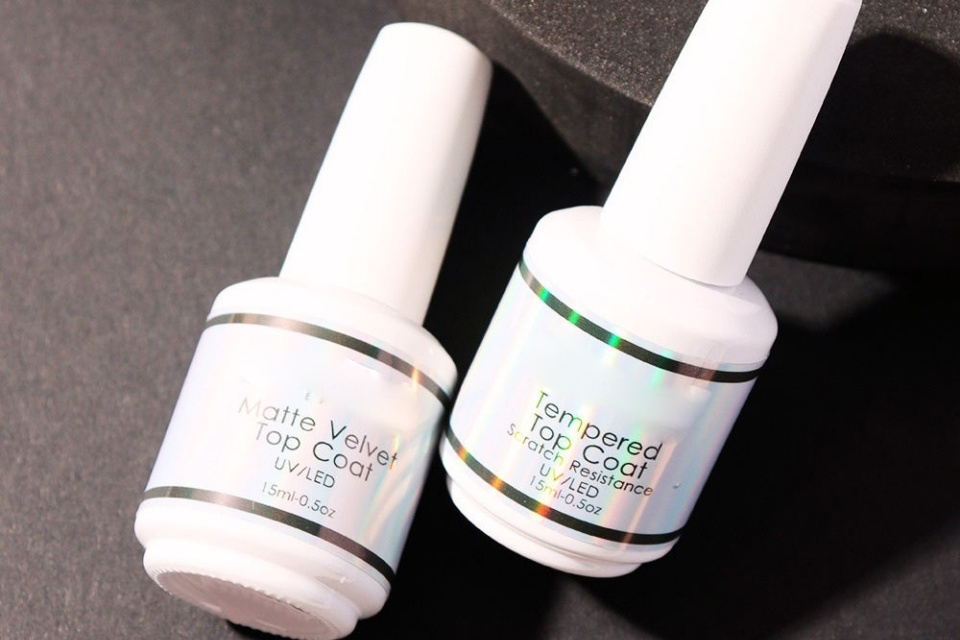
Most founders treat gel polish bottle design as artwork. I treat it as performance hardware. Bottle size changes freight density, brush shape changes application feel, wiper tolerances change product pickup, and a bad overcap or sloppy neck finish creates leaks, messy testers, and returns you never priced in. Why spend months on shade cards if the first brush stroke feels cheap?
The better approach is to lock format before final artwork: 7ml versus 15ml, salon-use versus retail shelf presence, matte versus glossy bottle finish, screen print versus label, brush width, and outer-carton logic. One product page for custom logo 15ml gel polish positions the format around reliable coverage, custom logos, and a large shade library; the OEM page also makes “exclusive packaging” and design confirmation part of the process. That is the right sequence. Packaging is not decoration after the fact. It is part of the product spec. (Best Gel Polish)
And yes, this is where many gel polish OEM projects quietly lose margin. A custom bottle that looks premium but slows fill speed, raises breakage, or forces a larger carton count is not premium. It is overhead with lipstick on it.
This number lies. Or rather, buyers let it lie.
MOQ is never one number. It is formula MOQ, shade MOQ, component MOQ, label MOQ, carton MOQ, and often print MOQ wearing one trench coat. One OEM page says private label can start at the “lowest MOQs,” while the same site also states 1,000 pieces per color as a low-MOQ benchmark on one section, and on the QA page lists standard gel polish at 100L—about 14,000 units of 7ml—with custom colors or formulas at 200L minimum. That is not a contradiction. It is a reminder that “MOQ” changes by service level, fill size, and how custom you want to get. (Best Gel Polish)
The timing math matters too. One factory process page lays out 1–2 days for initial consultation, 3–5 days for sample development, 3–5 days for design confirmation, 10–12 days for mass production, 7–20 days for delivery, and a 30–50% deposit to lock the order. If your launch calendar, cash cycle, or influencer drop assumes two-week magic, you are not planning a launch. You are writing a hope note. (Best Gel Polish)
That is why I tell buyers to set reorder triggers before PO1: at what week of sell-through do you reorder, how many weeks of safety stock do you hold, and which shades are allowed to die. If you do not answer those now, your first “successful” order can still become the inventory mistake that kills order two.
| Decision area | What weak buyers ask | What smart buyers decide first | Why it changes the order |
|---|---|---|---|
| Formula | “What colors sell best?” | HEMA/TPO policy, viscosity, cure, soak-off, odor, finish | Reduces claim risk and sample churn |
| Compliance | “Can you do FDA/EU?” | Who owns safety substantiation, CoA, PIF/CPSR, RP, adverse-event workflow | Stops liability confusion later |
| Color range | “How many shades can I launch?” | Hero SKUs, reorder logic, dead-stock tolerance | Protects cash and sell-through |
| Packaging | “Can you print my logo?” | Bottle size, brush, wiper, label method, carton format | Changes user feel, freight, leakage, and margin |
| MOQ & lead time | “What’s your MOQ?” | Service-level MOQ, deposit, sampling time, production window, shipping buffer | Prevents cheap-quote surprises |
So what should a skeptical buyer do right now? Start with the OEM & ODM gel polish services page for service scope, cross-check it against the quality assurance system, then compare your range idea against the gel polish catalog. That is a buying workflow. Everything else is theater. (Best Gel Polish)
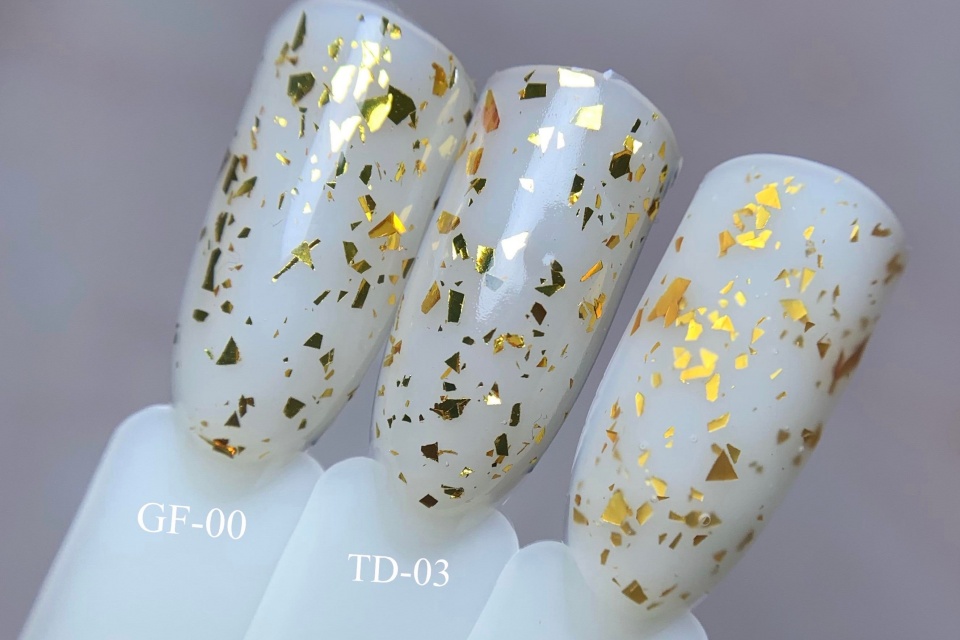
Private label gel polish is a UV/LED-curable nail product manufactured by a third party and sold under your brand name, with customization options that can include formula, shade range, bottle, brush, label, carton, compliance documents, and claims depending on whether you buy private label, ODM, or full OEM. A factory page on this site separates those three routes clearly: private label for fastest entry, ODM for pre-developed formulas, and OEM for deeper formula and packaging control. (Best Gel Polish)
A normal gel polish MOQ is not one universal figure but a layered minimum shaped by formula type, fill size, component sourcing, color customization, and printing method, so a “low MOQ” private label deal and a custom-formula OEM program can differ by an order of magnitude. On the supplier pages reviewed here, benchmarks ranged from 1,000 pieces per color in one section to 100L standard gel polish and 200L for custom colors or formulations in another, which is exactly why buyers need written MOQ definitions. (Best Gel Polish)
HEMA-free gel polish is a formulation choice used to reduce exposure to one high-profile methacrylate allergen, but it is not a magic shield because overall sensitization risk still depends on the full monomer system, curing quality, use instructions, skin contact control, and whether adjacent ingredients create their own problems. The 2024 HEMA market survey, BAD warning, and Amsterdam UMC reporting all point in the same direction: formula screening and claim discipline matter more than trendy label language alone. (PubMed)
The best private label gel polish supplier is the one that can document formula consistency, safety substantiation support, batch testing, packaging capability, realistic MOQ structure, and post-sale accountability before you pay a deposit, rather than the one that simply offers the lowest price or the biggest shade wall. I would ask for CoAs, stability data, QA scope, sample turnaround, deposit terms, and exactly which documents are included for FDA or EU workflows; this supplier’s contact form even prompts for MSDS, CPSR, FDA/CPNP support, and SGS/Intertek testing, which is the right kind of conversation starter. (Best Gel Polish)
If you are serious about how to order private label gel polish, do not start by asking for “the best private label gel polish supplier.” Start by asking for the catalog, the QA documents, the compliance scope, and the MOQ map. Then contact the factory team with a short brief: target market, bottle size, formula standard, launch SKU count, expected first-order volume, and required documents. That is how grown-up buying starts.