Talk to Our Expert
Our sales and engineers are available all the time, you can ask your specific requirements to our sales, and inspiration to our engineer here.

Gel polish allergies are no longer a rare salon issue that stays in the treatment room. They’ve become a supply chain risk that can hit a brand’s reputation, trigger chargebacks, and create legal exposure across multiple markets. If you’re an importer, brand owner, or distributor, you don’t just need a safer formula. You need a system that reduces sensitization risk across manufacturing, labeling, training, and after sales support.
From a factory perspective, most allergy cases don’t come from a single root cause. They come from a stack of small failures: a monomer package that is too aggressive for consumer use, a dark shade that cures slower than the instructions suggest, a brush that floods the cuticle, a lamp that underperforms, and an end user who treats gel like regular polish. A buyer who treats gel allergy as a product feature problem will miss the bigger liability picture.
If you want a fast overview of the product categories and options that typically sit inside a modern gel range, start with the main catalog on the site: gel polish catalog.
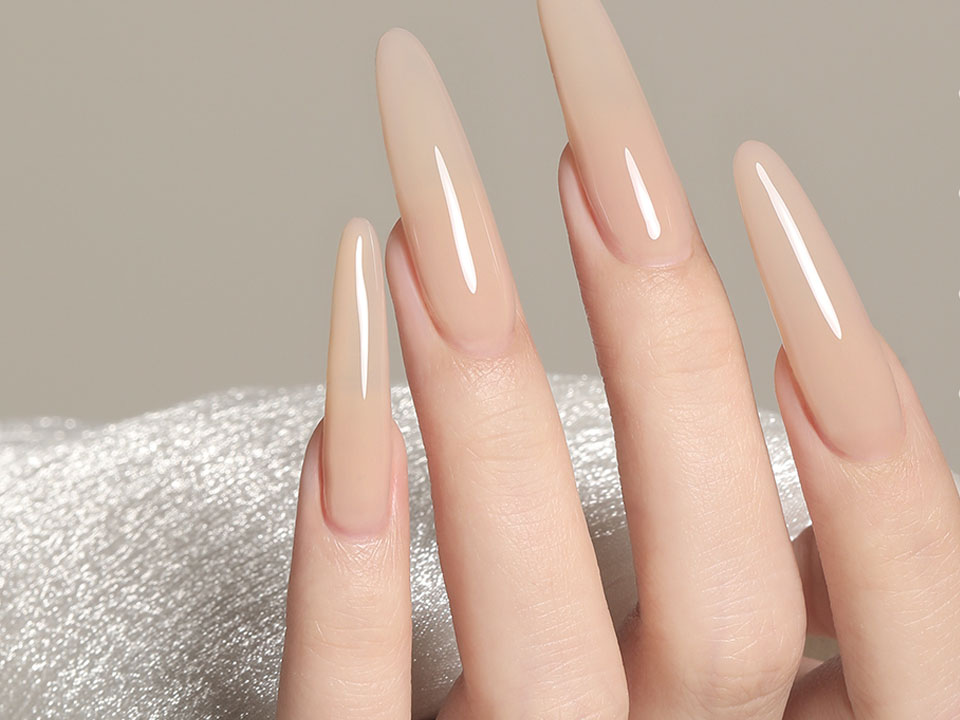
Allergy complaints often reach you late. By the time a consumer emails your support team, the condition has usually escalated beyond mild redness. Your first job as a B2B buyer is to recognize the symptom pattern so you can triage quickly and separate likely allergy from simple irritation.
A true gel polish allergy often shows up as allergic contact dermatitis on the skin that touched uncured product or dust. Look for these indicators in complaint photos and customer descriptions:
A pattern matters. If the customer says the reaction gets worse each time they use gel, that’s a red flag for sensitization.
Not every rash is an allergy. Some cases are chemical irritation or mechanical damage. These still create refunds and reputational risk, but the fix is different.
Your support scripts should ask about prep steps, removal method, and curing equipment before making any public statement.
When a buyer responds slowly, complaint volume multiplies. One consumer post can generate dozens of copycat claims. In practice, we see a common escalation path:
Early, structured handling protects your sell through and keeps the issue inside a controlled CAPA process instead of a public fire.
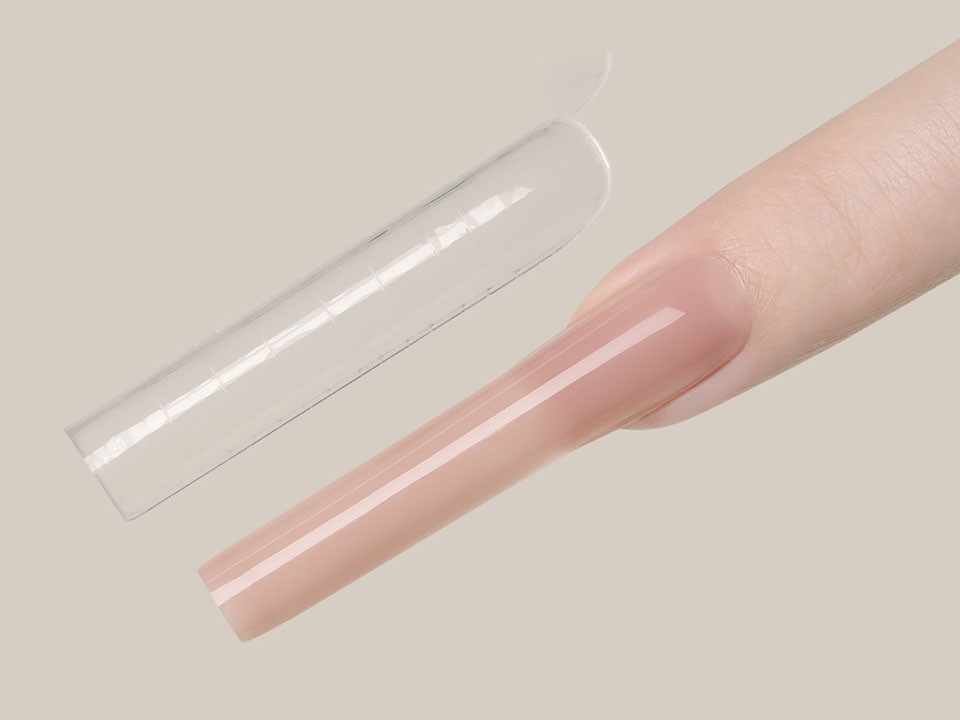
Gel polish is a reactive chemistry product. Until it’s fully cured, it contains monomers and oligomers that can penetrate skin. Once sensitization happens, the immune system can react to tiny exposures.
In most factory investigations, the most consistent trigger is simple: uncured material touched skin. That contact happens through:
Even a good formula can create allergy cases if the use conditions promote skin contact.
Many brands write curing instructions like “60 seconds LED.” That line hides huge variability.
From a factory viewpoint, under curing is a performance and instructions mismatch. It becomes your problem because the consumer blames the bottle, not their lamp.
Once a consumer becomes sensitized to certain acrylates, they may react to many related products. That turns a single complaint into a lifetime story attached to your brand name. In B2B terms, that’s not a refund issue. That’s a long tail reputational cost.
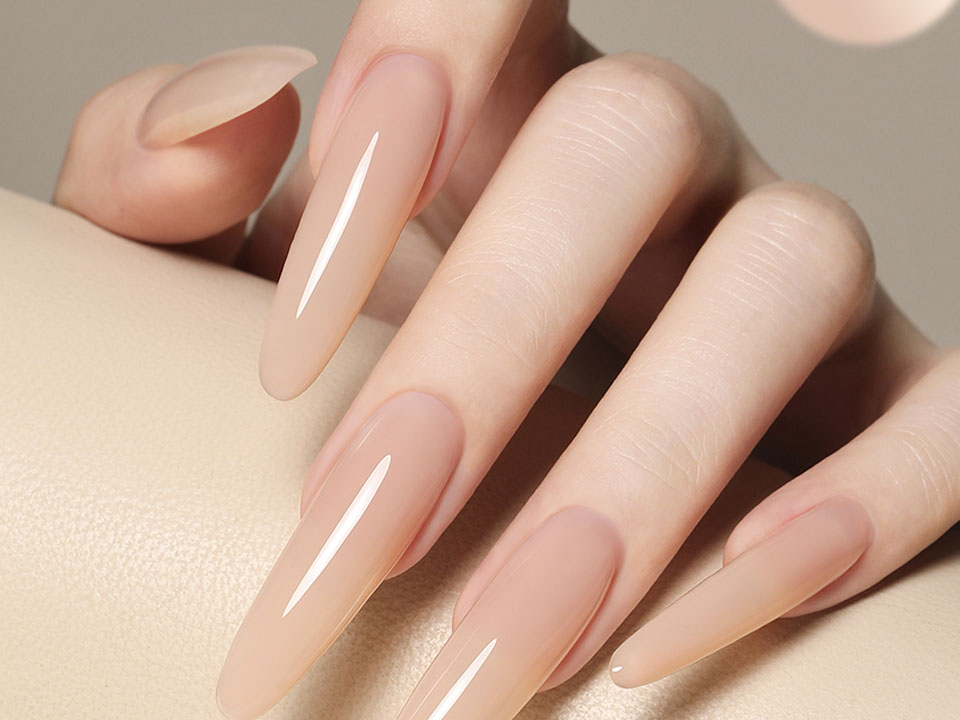
You don’t need a chemistry degree to buy smarter, but you do need to understand which materials tend to appear in allergy cases and why buyers now ask for specific claims.
HEMA is widely discussed because it’s a strong sensitizer and it also improves adhesion and flexibility. Many factories used it for years because it performs well and helps reduce chipping complaints. The tradeoff is allergy risk, especially for consumer channels.
That’s why many buyers now request HEMA free lines, but HEMA free does not mean allergy proof. It usually means the formula uses alternative acrylates and methacrylates. The risk can be lower, but only if the full system is designed for safer curing and controlled viscosity.
If you’re exploring HEMA free programs, a practical reference point is a product style like OEM 56 color HEMA and TPO free gel polish. It shows how factories position broader shade ranges around a low sensitizer story.
TPO is a photoinitiator used to start polymerization under UV or LED light. It is sometimes discussed in compliance conversations and buyer requests. From the factory side, any photoinitiator change can shift cure speed, surface tack, yellowing, and stability.
If you request TPO free, plan for a validation loop: cure tests with multiple lamp types, shade depth checks, and stability checks. A claim is easy to print. A stable, curing, scalable formula is the hard part.
Builder gels, extension gels, and thick rubber bases create a specific risk profile:
If your brand sells extension systems, you should treat allergy risk as a line level project, not a single SKU fix. A product style like HEMA free and TPO free super hard extension gel is an example of how factories package safer positioning for high exposure categories.
A lot of buyers ask factories for a “safer formula.” That request is too vague to reduce claims. What you actually want is a prevention stack: raw materials control, batch discipline, cure validation, and packaging that reduces skin contact.
Factories typically use a combination of these tactics:
A key insight from production: a low allergy formula that cures poorly creates more skin exposure, not less. Cure performance is part of safety.
If you want fewer surprises after launch, ask how the factory controls these points:
On the commercial side, this lets you isolate a defect faster. If a complaint wave ties to one batch, you can limit the recall scope instead of freezing the whole line.
A factory can cure a panel perfectly under a lab lamp and still ship a product that under cures in consumer lamps. Ask whether the factory tests with more than one lamp type and whether they measure lamp output instead of trusting wattage labels.
If you sell or bundle lamps, product safety becomes even more controllable. A compact unit like a portable foldable UV LED mini nail lamp is the kind of accessory that can reduce cure variability in starter kits and home use channels.
Packaging is an overlooked lever. A brush that holds too much product or a neck design with poor wiping control makes flooding more likely.
We often recommend buyers evaluate:
These are low cost changes compared with the cost of returns and destroyed inventory.
Even with a solid factory system, many allergy cases are driven by use conditions. B2B buyers can reduce claims by managing how product is sold, instructed, and supported.
Most instruction cards are too short to prevent allergy triggers. Add practical controls:
This reduces both allergy and irritation events. It also shows diligence if claims escalate into a formal dispute.
Channel matters. Home users and DIY markets have higher under curing risk. Salon professionals have higher exposure volume risk due to daily contact and dust.
A smart line structure often looks like this:
If you need a safer base and top system for bulk filling and professional use, look at options like HEMA and TPO free base and top coat gel in 1kg format. Bulk formats tend to be used by salons and private label fillers, so pairing them with tighter training reduces misuse.
When support teams handle allergy messages emotionally, they often create liability by guessing. Use a structured intake:
If you can tie a large share of cases to under curing or skin flooding, you can fix training and packaging before you change the entire formula.
A private label buyer sometimes treats the factory as the legal shield. In reality, the brand or importer is often the first target in consumer claims. You should plan as if you are the responsible economic operator in your market.
Claims like HEMA free, TPO free, hypoallergenic, sensitive safe, or dermatologist approved can increase sales, but they also raise the bar for evidence. If you can’t back the claim with documentation and consistent batch controls, a claim becomes a liability amplifier.
A safer approach is to use precise, supportable language and provide a clear use protocol. If you do choose a HEMA free base system, match it with a product that aligns with that story, such as HEMA free clear gel polish for top and base coat scenarios. Then ensure your packaging and instructions reflect the cure requirements for that exact formula.
From the factory side, the buyers who survive complaint spikes share one habit: they collect documents before they launch.
Ask for and archive:
When a marketplace platform requests proof, you need these files within hours, not weeks.
If you buy at scale, negotiate terms that support accountability:
Factories do change suppliers when markets tighten. Without change control, your next reorder might not behave like the launch batch.
Here’s a realistic scenario that hits mid size brands:
Even if your cost per unit is only a few dollars, the commercial impact stacks fast: reverse logistics, destruction fees, customer credits, and lost reorder momentum. Prevention investments like better curing guidance, lamp bundling, and packaging upgrades often cost less than one month of damage control.
If you want to reduce allergy risk without sacrificing margin, you need a qualification framework that goes beyond price and shade cards.
In supplier meetings, look for answers that include process detail:
A factory that can describe its controls in plain language is usually running them.
Many allergy triggers begin at the base and top layer because they are used on every set. If your base coat floods the cuticle, you will see complaints no matter how safe the color gel is.
Review base coat options such as factory wholesale base coat gel nail polish and match them with cure validation and a conservative instruction set for your channel.
For top coats, consider whether you want no wipe, matte, or ultra shine finishes. Matte systems can hide under curing because the surface looks dry but conversion may be incomplete under the film. If matte is strategic for your brand, use a proven product style such as HEMA free matte top coat gel and insist on cure testing against realistic lamp conditions.
If your revenue leans on builders and extensions, treat the system as one kit, not separate SKUs. Builders, base, top, and curing equipment should be validated together.
A practical approach is to bundle:
This is also a commercial opportunity: a validated system sells at a higher ASP and reduces returns.
Gel polish allergy complaints are expensive because they mix chemistry, user behavior, and public perception. The fastest route to fewer claims is not one magic ingredient. It’s a controlled system that limits skin contact, supports full curing, and proves consistency batch to batch.
As a B2B buyer, focus on three priorities:
If you build those layers into your sourcing and brand operations, you lower sensitization risk, reduce refunds, and protect long term distribution partnerships without sacrificing product performance.