Talk to Our Expert
Our sales and engineers are available all the time, you can ask your specific requirements to our sales, and inspiration to our engineer here.

Most kits fail.
They fail because brands sell “complete” sets that look tidy on a product page but behave like strangers on the nail, with a base that flexes too much, a builder that self-levels too fast, and a white gel that either streaks, blooms, or turns the smile line into a chalky mess by the second hand. Why pretend otherwise?
I’ve built enough systems to say this without blinking: the best French manicure kit is not the one with the most bottles. It is the one where the base, builder, cover pink, and white gel cure at compatible speeds, hold a similar viscosity logic, and do not force you to repair chemistry mistakes with filing, extra coats, and wishful thinking.
And yes, the chemistry problem is real, not theoretical. The FDA’s nail care guidance says infections and allergic reactions can occur with nail products, while an Amsterdam University Medical Centers study on acrylate allergy found 67 diagnosed cases from nail cosmetics between 2015 and August 2023, with 97% testing positive for HEMA and 73% of patients being consumers rather than professionals. I do not treat ingredient lists as decorative copy, and neither should you. (U.S. Food and Drug Administration)
The regulatory signal is even louder. In EU rules, HEMA in nail products was restricted to professional use with the warning “Can cause an allergic reaction,” and the European Commission later explained that TPO was classified in 2024 as a category 1B reproductive toxicant, triggering a cosmetics prohibition from 1 September 2025 because no derogation was submitted. That is why I take HEMA/TPO-free base coat pages more seriously than glossy shade cards.
A French manicure punishes imbalance. Soft base, rigid builder, muddy cover pink, weak white. The look is minimal, so every flaw gets amplified.
Your base gel for French manicure should solve adhesion first, aesthetics second. If the natural nail is healthy, short, and not peeling, a thin true base is enough. If the plate is bendy, ridged, or moisture-prone, I’d rather work from a flexible support layer than pretend a standard base coat will suddenly act like structure.
That is where I’d compare a straightforward base coat gel against a reinforcing gel or a rubber-style option. Not because every client needs extra product, but because French tips expose every stress crack and every tiny lift near the sidewall.
I do not buy the all-in-one fantasy.
Builder gel for French manicure exists for one reason: structure. If the nail is short and the client wants a soft overlay, a builder in a bottle gel or self-leveling BIAB-style product is usually the cleanest answer. If the nail is longer, flatter, or more extension-driven, I’d move to a firmer builder gel that holds an apex without slumping into the cuticle.
That distinction matters because French manicures are geometry work. A weak structure makes the white tip look heavier than it is, and suddenly the whole set reads thick even when your actual color layers are thin.
This is where most “French manicure products” pages get lazy.
Cover pink gel for French manicure is a correction layer, not just a flattering shade. A good cover pink softens the free-edge shadow, balances undertone, and controls how stark the white reads against the nail bed. Too sheer, and the white looks harsh. Too peach, and the whole manicure turns dated. Too beige, and the hand loses life.
For browsing, I’d start with the gel polish catalog and cross-check nude or pink builder options, then narrow toward a cool milk-pink, neutral cover nude, or muted blush depending on the client’s skin tone and nail bed color. French is subtle. That is exactly why shade mistakes show up so fast.
White matters more.
White gel for French tips should be highly opaque in one thin pass, dense enough to stay where you place it, and smooth enough to avoid ridge lines when you float the smile line. I prefer a creamy, controlled texture over watery “easy paint” formulas that flood the corners and force a cleanup job after every stroke.
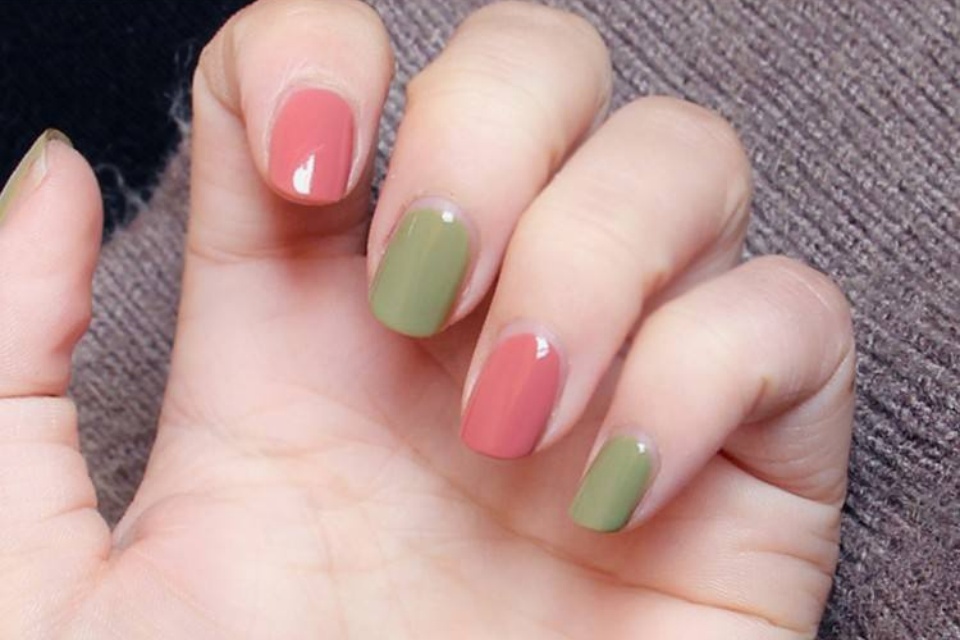
A French manicure lives or dies in reflection. If the top coat yellows, blues out the white, or shrinks from the free edge, the set loses that expensive, glassy finish and starts looking off even when the underlying work was solid.
So yes, I’d still treat top coat and nail tools as part of the system. Fine liner brush. Stable lamp. Controlled file grit. None of that is glamorous, but glamour is usually built from boring decisions made correctly.
| Component | What it should do | Best fit | Red flag |
|---|---|---|---|
| Base gel | Anchor to the natural nail without excess bulk | Thin adhesion base for healthy nails; flexible support base for bendy nails | Pooling, instant heat spikes, poor sidewall grip |
| Builder / BIAB | Create apex and absorb daily stress | BIAB for short overlays; firmer builder for longer shapes | Too runny, slumps into cuticle, needs heavy filing |
| Cover pink | Correct tone and soften free-edge contrast | Cool milk pink, neutral nude, or blush camouflage | Too peach, too beige, or too transparent |
| White gel | Deliver a clean smile line in one thin coat | Creamy, high-pigment painting or color gel | Streaking, blooming, chalkiness, shrinkage |
| Top coat | Seal gloss without yellowing or blue cast | Clear, stable, high-shine finish | Dulls fast, chips at free edge, changes white tone |
| Lamp + tools | Cure consistently and keep lines sharp | Reliable cure output, fine liner brush, controlled filing | Underpowered lamp, bulky brush, rough shaping |
For short natural nails, I like a thin base, a soft pink BIAB or nude builder, a crisp white painting gel, and a high-shine top. That is the cleanest route for clients who want a classic French without heavy architecture.
For longer salon sets, I want a proper base, a firmer builder with real apex support, a separate cover pink layer, then the white. More steps? Yes. Better balance, better side profile, less regret.
For ingredient-sensitive buyers, I would start by filtering toward HEMA/TPO-free options where possible, then verify labeling and quality controls through pages like quality assurance. I’ve seen too many buyers obsess over shade names while ignoring the part that actually determines whether the manicure remains wearable.
And let’s stop pretending lamp choice is trivial. A 2023 Nature Communications study used a 54-W MelodySusie UV nail dryer emitting 365–395 nm light at roughly 7.5 mW/cm² and found DNA damage plus dose-dependent mutations in mammalian cells, though the authors also said it did not directly prove human cancer risk. My read is simple: cure correctly, avoid mystery lamps, and stop treating underpowered hardware like a harmless accessory. (Nature)
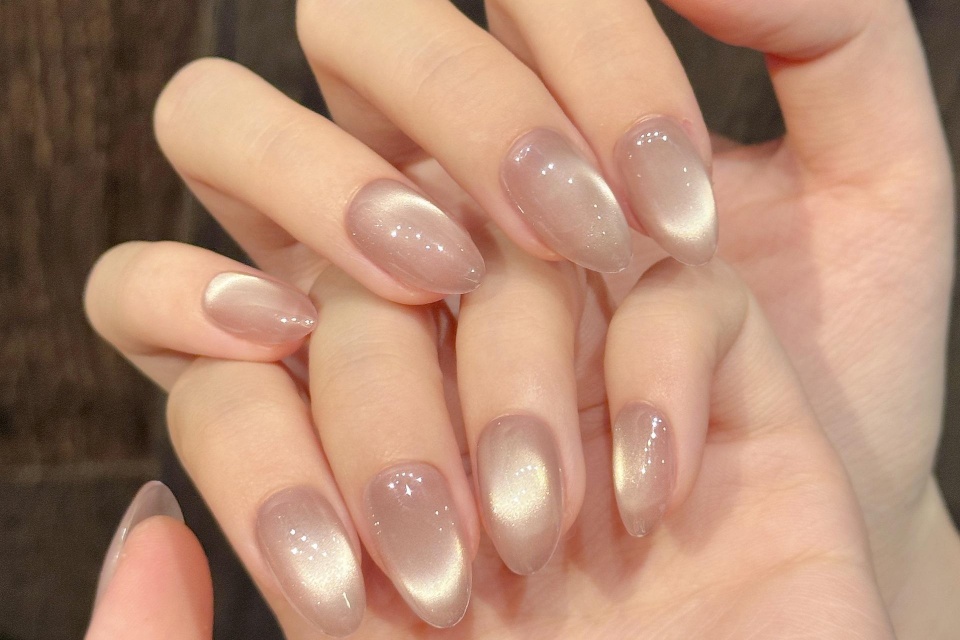
A French manicure kit should include a bonding base gel, a structure product such as builder or BIAB, a sheer or cover pink shade, an opaque white gel for the smile line, a top coat, prep liquids, a curing lamp, and fine liner brushes for precision.
That is the minimum working system. Anything less is usually a “starter kit” built for conversion rate, not performance.
Builder gel for French manicure is a structure layer that adds apex, strength, and shape retention, and it becomes necessary whenever the nail is long, weak, flat, over-filed, or expected to survive more than a few days of wear without chipping or bending.
On very short, healthy natural nails, you can sometimes get away with a stronger base or rubber base. But if you want longevity and a clean side profile, builder is usually the honest answer.
White gel for French tips works best when it is highly opaque in one thin coat, self-leveling enough to avoid ridges, but not so runny that the smile line blooms, because French work punishes weak pigment load and unstable viscosity faster than any other salon look.
I prefer creamy whites over watery whites. The second type looks “easy” in demos and then betrays you at the sidewalls.
Rubber base instead of builder gel is a flexible, medium-strength shortcut that can work for short natural nails and soft overlays, but it is not a true substitute when you need extension strength, a pronounced apex, or resistance against repeated impact, solvents, and daily flex.
For a quick salon overlay, fine. For a structured French on longer nails, I would not rely on it alone.
If you’re serious about building a French manicure kit that works in the real world, not just in product photos, start by comparing the core system: base coat gel, builder in a bottle gel, builder gel, painting gel, and the wider gel polish catalog. Then check the brand’s quality assurance.
Because the best French manicure kit is not a box. It is a system.