Talk to Our Expert
Our sales and engineers are available all the time, you can ask your specific requirements to our sales, and inspiration to our engineer here.

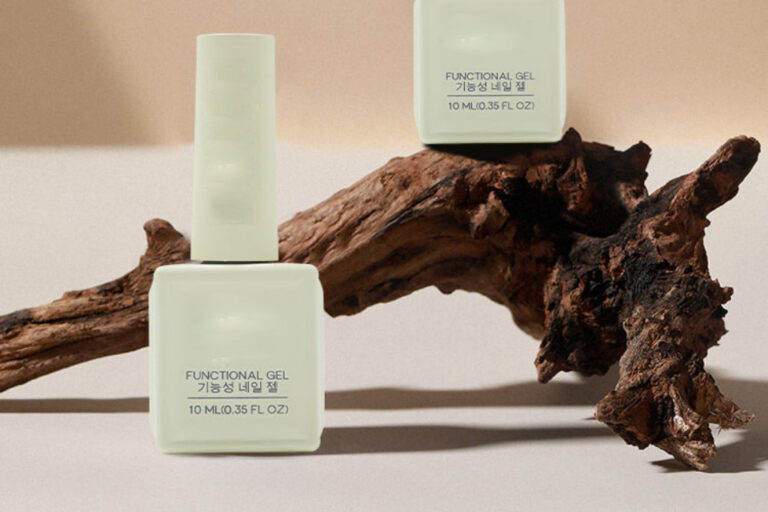
Gel polish changing color is rarely random. This post breaks down UV exposure, chemical staining, and pigment instability, then shows how to prevent gel polish from fading before clients blame the shade.
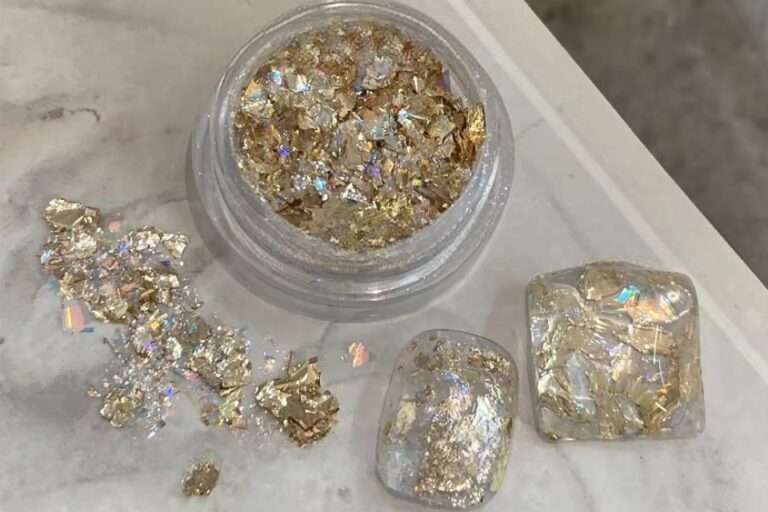
Most grown-out gel sets do not need the same fix, and pretending they do is how techs create weak structure, trapped lifting, and irritated clients. This guide shows when a gel nail fill is smart, when a rebalance is mandatory, and when a full redo is the only honest move.
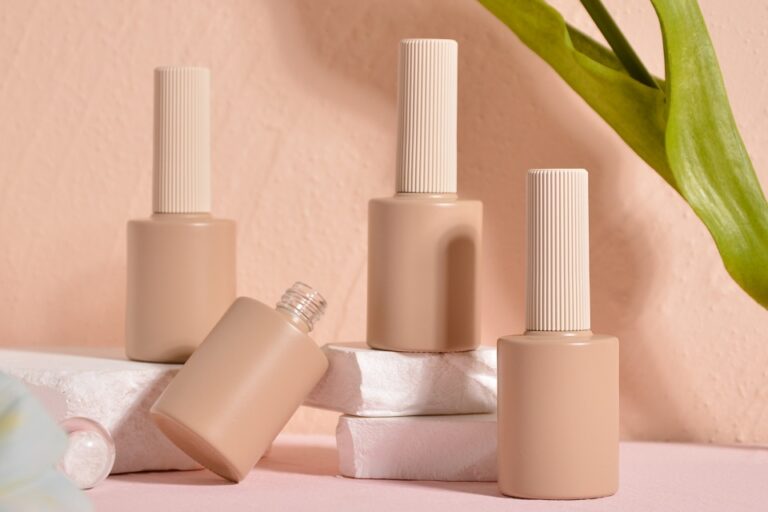
Soft gel nail extensions look simple because the tip is already shaped. But Gel-X is not just “regular gel” with better branding—it changes the structure, chemistry, removal, and economics of the service.
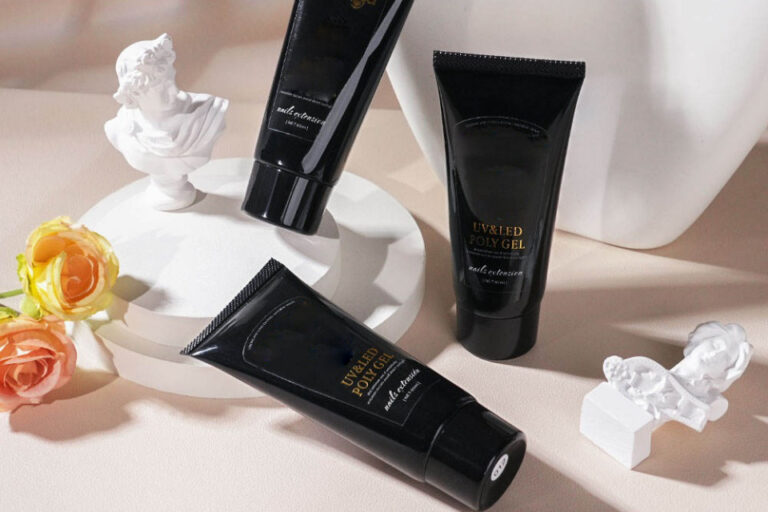
Most gel curing failures are not random. They come from a mismatch between chemistry, lamp output, and application thickness, and the fix is usually more technical than the beauty industry likes to admit. This guide breaks down why gel polish stays sticky or soft, what under-curing really means, and how to correct it without guessing.
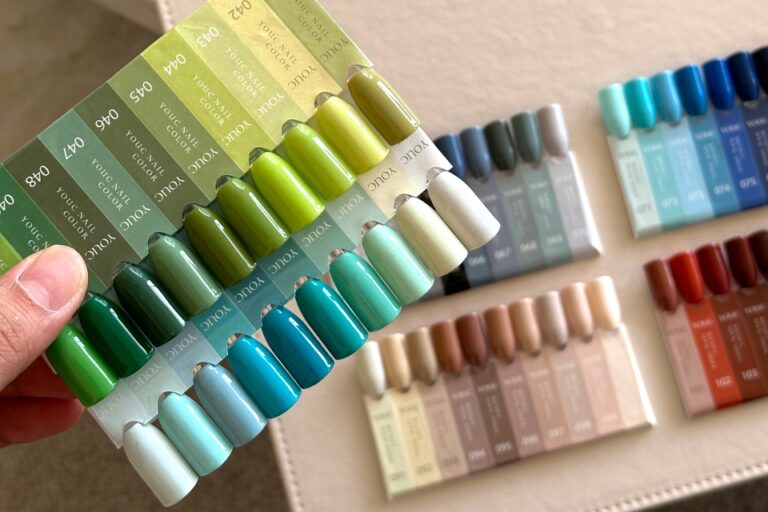
Hard gel, soft gel, and gel polish are often grouped together, but they serve different technical purposes. This guide explains how each system performs, where each one fails, and how professionals should choose between them.
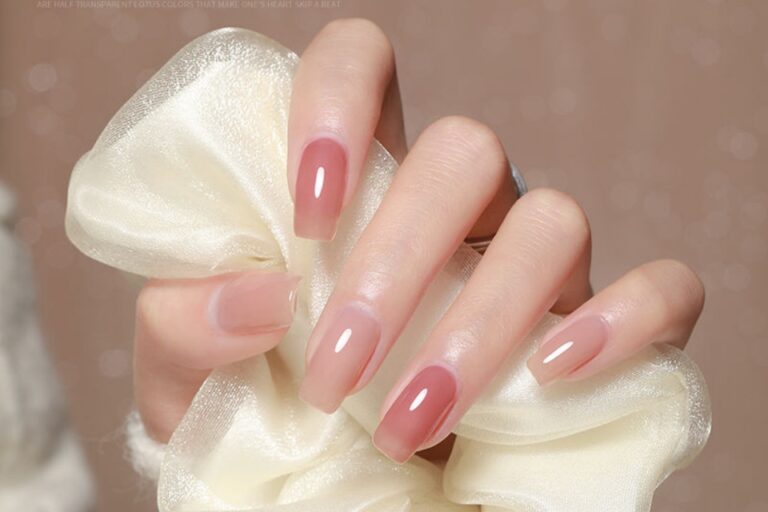
Most gel polish failures are not random. They come from a short list of process errors: bad prep, thick application, weak cure discipline, and formula-lamp mismatch. This guide breaks down what pros actually check first, what they never do, and how to fix the set without making the chemistry worse.
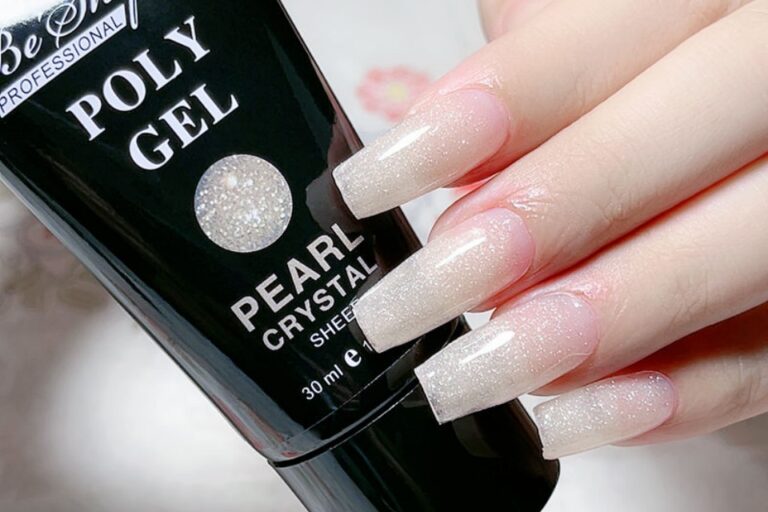
The sticky layer on cured gel is usually normal. The real problem starts when people confuse oxygen inhibition with under-curing, then spread uncured residue where it should never go.
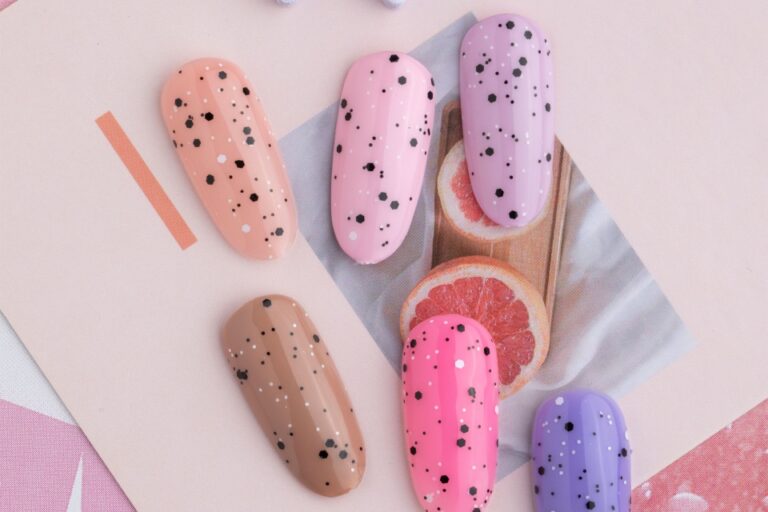
Most “gel damage” is mechanical: filing, scraping, and peeling keratin layers off the nail plate. The real risk story is allergy and bad technique, not the cured gel film itself.
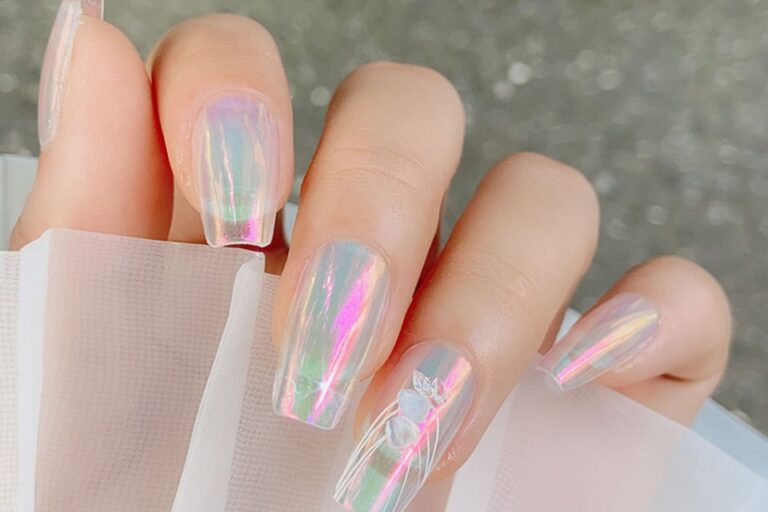
Most “gel damage” isn’t the gel. It’s the prep and the removal—over-filing, rushed soaking, and sloppy chemistry control. Here’s what actually happens, with hard numbers and what I’d do differently.
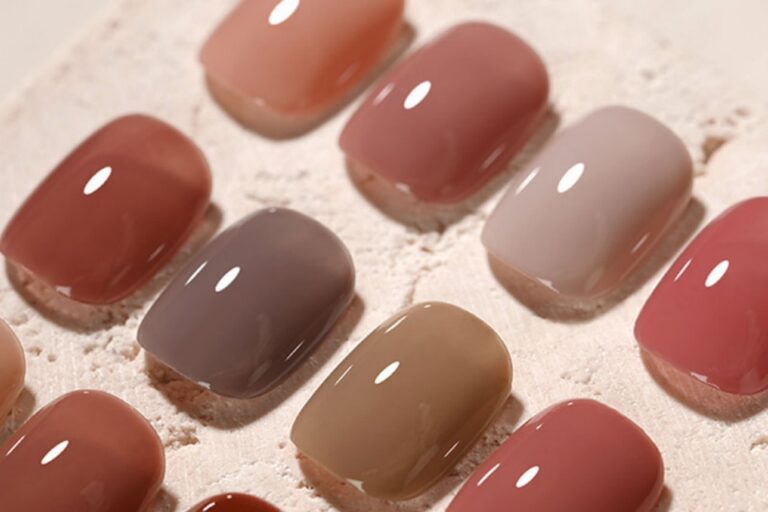
TPO isn’t “just an ingredient.” It’s the cure engine that shapes speed, hardness, yellowing, and—quietly—your regulatory and buyer risk.
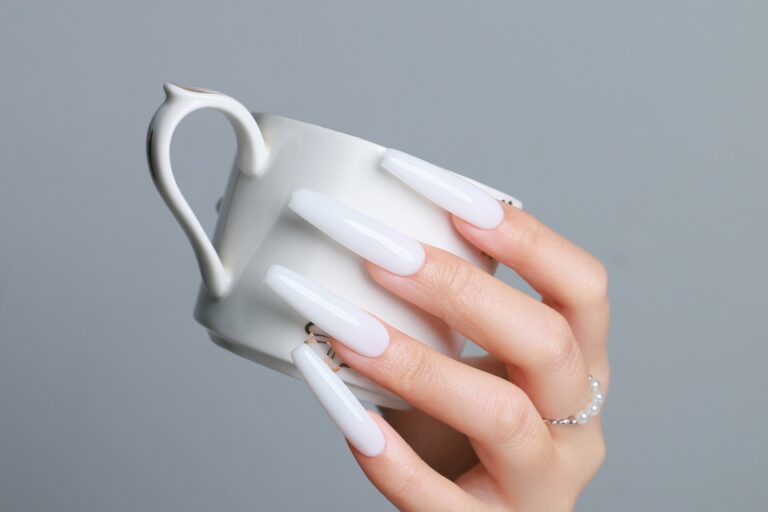
HEMA sits at the center of modern gel systems because it works. It also sits at the center of a fast-growing allergy problem—made worse by sloppy labeling and at-home misuse.
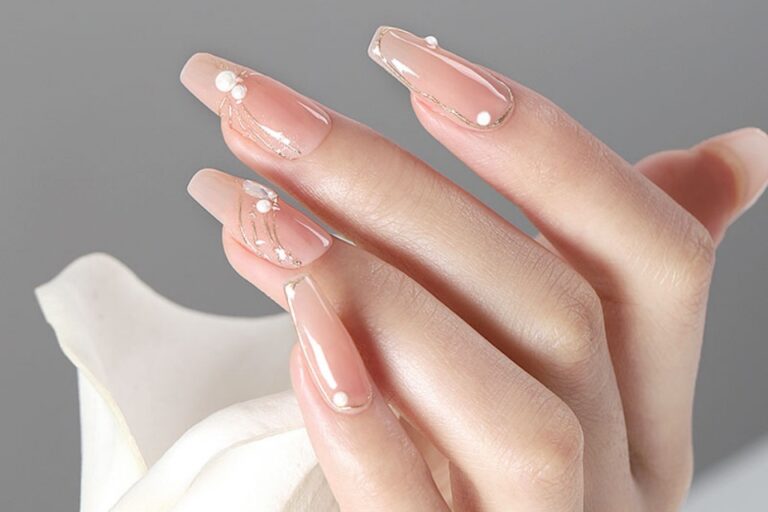
Gel polish allergies aren’t “rare skin drama.” They’re often predictable chemistry problems: uncured acrylates, sloppy application, and labels that don’t tell the whole story.