Talk to Our Expert
Our sales and engineers are available all the time, you can ask your specific requirements to our sales, and inspiration to our engineer here.

I’ve watched this argument eat up entire tech group chats. Builder gel vs polygel gets treated like a personality test—“I’m a BIAB girl” vs “I only sculpt”—when it’s really about something uglier: how often you want to fight the product, how often you want to file, and how much risk you’re willing to carry when gel touches skin.
It’s not romantic. It’s retention.
And yes, I’m going to say the quiet part out loud: “Which is better?” is usually a cover for “Which one will save me when my prep isn’t perfect?”
But let’s not pretend product doesn’t matter. It does—especially when you’re doing builder gel vs polygel for nail extensions on real clients who type all day, soak in hot water, and oil their cuticles like it’s a religion.
But here’s the thing—builder gel isn’t one thing, it’s a whole spectrum of viscosities and cure behaviors that brands rename like they’re trying to dodge accountability, so you need to think in handling classes (thin BIAB, medium self-leveling, thick pot gels) instead of label names, because labels lie and viscosity doesn’t.
Three words. Flow will punish.
If you’ve ever blinked and watched your “perfect” bead creep into the sidewalls, you know what I mean. Self-leveling is amazing until it isn’t. Then it’s cuticle flood city.
If you’re sorting what’s actually on the menu, start with builder gel options and builder-in-a-bottle gel. Those buckets matter more than whatever the front label screams.
And the heat spike? Yeah. It’s real. Especially when somebody thinks “one big bead” is efficient and parks it under a strong lamp like a dare.
Yet polygel has its own cult for a reason: it stays where you put it. You can push it, pat it, carve it, and stop mid-motion to answer a client, then keep going like nothing happened. That “stays put” behavior is the entire pitch.
It moves slow. On purpose.
Polygel (acrygel, in a lot of catalogs) also makes dual forms feel almost unfairly easy when you’re trained. But you pay somewhere else. You usually pay in filing time and finishing discipline. If you get sloppy, you’ll bulk the sidewalls and the free edge, then act surprised when it looks thick.
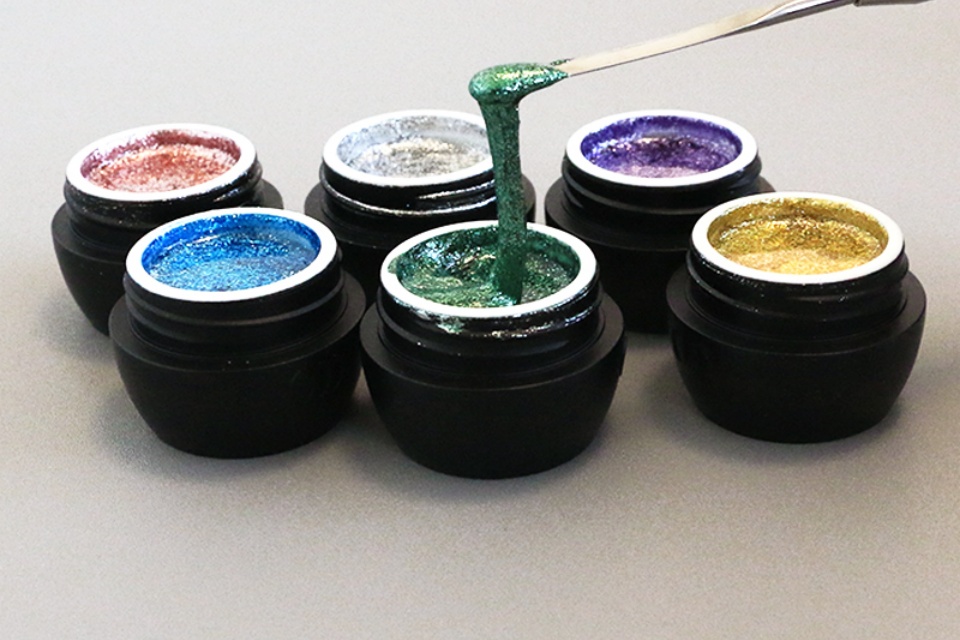
If you want to see how the category is framed for buyers, go straight to poly gel products or the jar-style example people keep reaching for: solid poly nail gel jar.
So, builder gel or polygel which is better? Better for what day?
Because Monday “fast refills” is not Saturday “XXL coffin set.”
However, when people argue polygel vs builder gel durability, they act like there’s a single durability score printed on the jar, and that’s nonsense because durability is a chain—prep, cuticle discipline, structure, cure, aftercare—and the chain breaks at the weakest link, not at the brand name.
Quick gut check. Where’s it lifting?
If it’s lifting at the cuticle, don’t blame “soft gel.” Blame skin contact, micro-flooding, rushed e-file prep, or a client who oils like they’re basting a turkey. If it’s snapping at the stress point, blame structure—your apex line is off, or you built a plank instead of an arch.
Ugly truth: thickness hides sins… until it doesn’t. Then you get the dramatic pop-off that makes the client think your whole system is trash.
So here’s where builder gel extensions vs polygel extensions gets practical: builder gel tends to win in overlay-heavy services and refill workflows, because a good self-leveling BIAB can build an apex fast with fewer tool touches, which means fewer minutes per set and less time sanding your own mistakes.
It’s efficient. Usually.
If your team is shopping that exact lane, this is the style buyers mean: self-leveling BIAB builder gel extensions. Smooth flow, predictable leveling, decent speed.
But don’t get cocky. Flowable gels demand cleaner control around the cuticle. One tiny flood (barely visible) and you just planted a lifting seed.
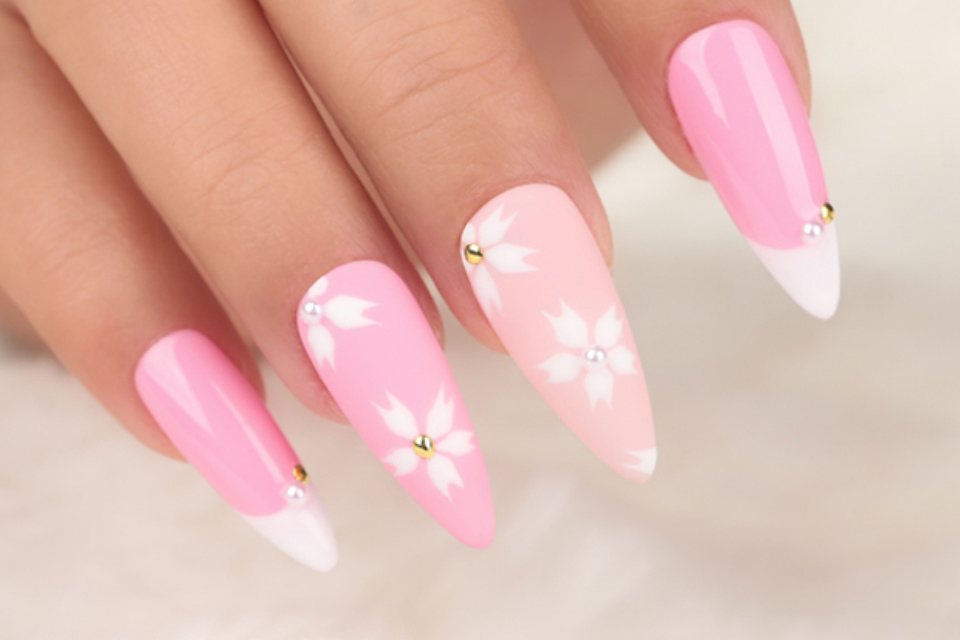
And polygel shines when you’re building longer nails, crisp shapes, or working in warm rooms where builder gel turns into a runner. You don’t have to race the product. You sculpt first, then cure. That’s calmer—especially for long length where the gel’s “gravity drift” becomes a real problem.
You can pause. That matters.
Still, it’s not “safe by default.” I’ve seen techs assume thick polygel equals no under-cure risk, then pack a chunky zone near the apex and wonder why it feels weird weeks later. Thick zones need lamp discipline. Period.
But let’s talk about the elephant everyone tiptoes around: repeated UV exposure and acrylate allergies. The category is under a microscope now, whether salons want it or not.
One example that made waves: a 2023 paper in Nature Communications looked at UV nail dryers and found lab evidence of reactive oxygen species and DNA damage/mutations in mammalian cells under certain exposures, which is exactly why “lamp time” and skin exposure aren’t just vibes anymore (UV nail dryer DNA damage study).
Short sentence. Don’t panic.
But don’t ignore it either. Better technique is the cheapest risk reduction you’ll ever buy: keep gel off skin, cap your layers, flash cure smartly, and stop acting like “stronger lamp” equals “safer.”
Then allergy. The acrylate allergy trend isn’t theoretical—it’s showing up in patch testing. A 2024 Amsterdam study discussed allergic contact dermatitis tied to acrylate-containing nail cosmetics, with HEMA (2-hydroxyethyl methacrylate) showing up as an important marker in many cases (2024 acrylate nail allergy study).
And regulators are watching ingredients too. California DTSC proposed listing nail products with methyl methacrylate (MMA) as a priority product in a 2024 notice, pointing to testing that detected MMA in some nail products (DTSC proposed action, Nov 2024). Meanwhile, FDA’s own overview makes it clear there isn’t a neat “ban it all” rulebook here, even while sensitization concerns are on the table (FDA nail care products overview, Oct 2024).
Here’s my take: if your workflow includes routine skin contact, you’re gambling. And the house eventually collects.
If you’re sourcing for a salon group or building product under your name, don’t skip the boring paperwork. Ask for traceable batches, ingredient flags, and process control. Start with a baseline like a supplier’s quality assurance process. Boring saves money.
So, builder gel overlay vs extensions: overlays reward flow and speed; extensions reward control and structure. If your clients want short strength and easy refills, builder gel is often smoother. If your clients want length with less mid-service drama, polygel can be easier to manage.
But I don’t like cute rules. I like failure prediction.
| Factor | Builder Gel Extensions | Polygel Extensions |
|---|---|---|
| Handling | Often self-leveling; can run if you hesitate | Stays where you put it; you sculpt first |
| Speed | Fast once you’re trained; fewer tool touches | Slower initial sets; faster for long shapes once dialed in |
| Filing | Usually moderate; depends on hardness | Often heavier filing, especially on full sets |
| Heat spike risk | Can be higher with thick beads and strong lamps | Often lower per bead, but still possible |
| Best for | Overlays, medium length, refill-heavy schedules | Dual forms, long length, techs who want control |
| Common failure | Cuticle lifting if prep is rushed | Sidewall bulk / under-cure in thick zones if rushed |
Yet clients and even techs keep asking, “is builder gel stronger than polygel,” like strength is a fixed number. It’s not. “Strong” depends on formulation, thickness, cure, and structure. Build wrong and both lose.
If you want a better question, ask this:
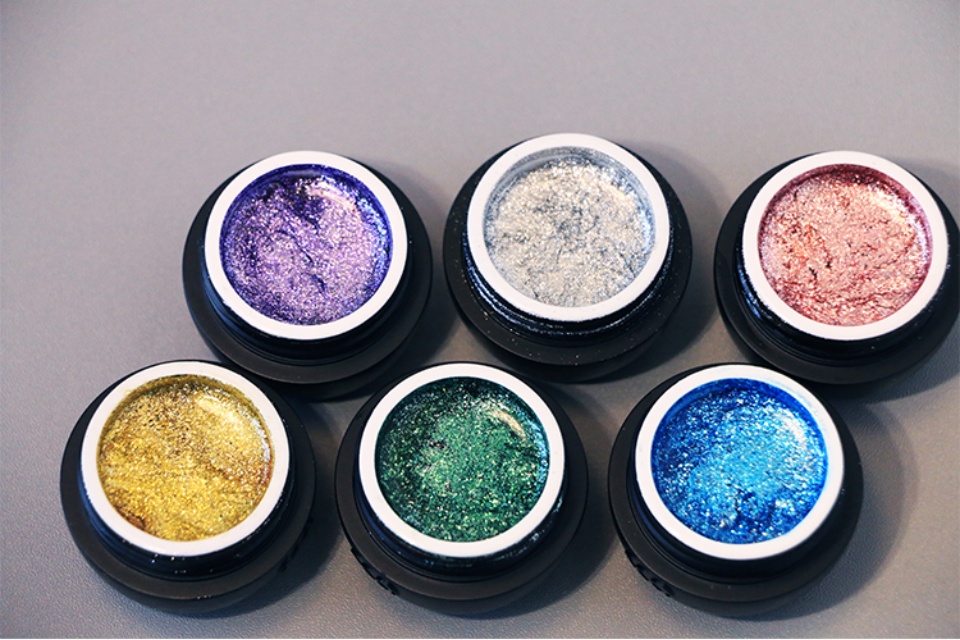
And yes, magnetic “cat eye” trends made this worse, not better. Clients want drama nails on longer lengths, which means more layers, more cure cycles, more chances to mess up. That’s not “art.” That’s process risk.
Builder gel is a UV/LED-curable gel system that usually flows and self-levels to build structure, while polygel is a thicker, putty-like UV/LED gel you sculpt into shape before curing, often with slip solution, trading faster leveling for more control and usually more filing. Builder gel rewards timing. Polygel rewards patience. And neither one forgives sloppy cuticle control.
Longevity is the number of weeks an enhancement stays bonded and intact without lifting, and with consistent prep, correct apex placement, and full cure, both builder gel and polygel sets commonly reach similar 3–4 week wear because failure usually comes from adhesion errors or under-cure, not the label. If you’re seeing “gel polish peeling off after 1 day” vibes (yes, even on extensions), that’s almost always prep + contamination + skin contact. Fix that before you swap product.
“Stronger” means higher resistance to bending, cracking, and impact after the material fully cures and bonds to the nail plate, and either builder gel or polygel can win depending on formulation, thickness, lamp output (365/405 nm), and how you build stress zones like the apex and sidewalls. If you build builder gel too thin, it flexes and peels. If you pack polygel too thick, you risk under-cure in the belly. Strength is built, not wished.
An overlay is a structured layer built on the natural nail to add strength without adding much length, while an extension adds length using forms, tips, or dual forms, and builder gel often suits overlays and refill-heavy schedules, whereas polygel often suits longer extensions where staying put matters. If your book is refill-heavy, builder gel usually makes life easier. If you sell long sets, polygel can reduce “why is it sliding?” chaos.
Choosing between builder gel and polygel as an owner is a workflow and liability decision—pick the system your team can apply without flooding skin, cure consistently across your lamps, and finish inside your service timing, because those three variables drive re-dos, complaints, and allergy exposure more than brand claims. Run a two-week internal trial: same prep protocol, same lamps, track rework rate, lifting spots, and cure complaints. Data beats ego.
If you’re building a professional menu or a private label line and you want fewer surprises, treat this like procurement, not vibes. Start with your spec list, confirm compliance and batch controls via quality assurance, then map your product lineup across builder gel and poly gel. When you’re ready to talk formulas, packaging, and consistency at scale, reach out through the contact page and be specific about viscosity, cure wavelength (365/405 nm), and “HEMA-free” requirements.