Talk to Our Expert
Our sales and engineers are available all the time, you can ask your specific requirements to our sales, and inspiration to our engineer here.

Most brands lie.
I’ve watched a “pure snow white” set leave the salon looking crisp, glossy, expensive—the whole showroom fantasy—only to come back a few days later with that weak nicotine-yellow cast nobody wants to own, and no, I don’t buy the usual excuse that it’s just “normal wear.” I don’t.
But here’s the ugly truth: gel polish fading usually isn’t random, and it sure isn’t some mystical client curse. It’s chemistry. Bad chemistry, rushed QC, mismatched lamp output, sketchy pigment load, or a shiny bottle dressed up by a sales rep who never once had to troubleshoot yellowed French tips under daylight. That happens a lot.
And honestly? When people ask why is my gel polish fading, they’re often staring at the wrong layer. The color coat gets blamed because it’s visible. Fair enough. But the real mess is frequently in the clear film on top—the sealer, the gloss shield, the “diamond” finish, whatever marketing decided to call it this quarter.
Three usual culprits. That’s it.
UV exposure. Chemical contact. Pigment instability.
Sometimes all three hit the same set at once, which is when nail techs start swapping bottles like gamblers at a blackjack table and hoping the next combo somehow behaves. From my experience, that’s exactly how money gets burned.
A lot of gel polish changing color starts up top, not down in the shade layer. I frankly believe the industry hides this because it’s easier to sell color than admit your clear coat is drifting amber under normal life. White sets expose that lie in about five minutes.
Back in 2023, UC San Diego researchers reported that UV nail dryers typically operate in the 340–395 nm range, and that one 20-minute exposure caused 20% to 30% cell death in exposed cells, while three consecutive 20-minute exposures caused 65% to 70%. Now, that study wasn’t measuring whether your creamy nude went beige. Different target. Still, it tells me something the industry doesn’t like saying out loud: repeated UVA exposure isn’t “nothing,” and weaker top films can absolutely lose clarity, go warm, or take on that old-plastic look faster than the brochure suggests.
It shows fast. Especially on whites.
Milky pinks, bridal sheers, baby blues, soft nudes, French tips—these shades don’t forgive sloppy formulation. A burgundy can hide a bad sealer for weeks. A chalky white? It snitches instantly. That’s why UV exposure gel polish yellowing is such a common complaint. The color didn’t always fail first. The glassy cap layer did.
Chemicals are brutal.
And not glamorous ones, either. I’m talking degreasers, bleach sprays, bathroom foam cleaners, hair dye, self-tanner, purple shampoo, sunscreen with stain-heavy filters, cheap hand soaps loaded with colorants—the boring junk people touch every day and then swear “couldn’t have done this.”
The FDA’s Using Cosmetics Safely guidance says cosmetics should be kept tightly closed, protected from temperature extremes, and thrown away if there are changes in color or smell; it also tells consumers to report a product if they notice bad smell, color change, or foreign material. That sounds polite, clinical, regulator-clean. In salon English, it means this: if your product changes color in the bottle or on the nail after ordinary exposure, something in the chain is off.
So I ask rude little questions. Did you scrub the tub bare-handed? Use tanning mousse? Color your roots? Spill blue cleaner on the countertop and wipe it with your nails? Clients hate those questions because they sound trivial. They aren’t. Surface staining is one of the most common gel polish discoloration causes, and a soft top film will soak up grime faster than most people realize.
This part annoys suppliers.
Because cheap gel polish color change is usually not “just one bad batch.” That’s the line they use when they want another invoice. What it often really means is poor pigment dispersion, weak resin compatibility, unstable dye selection, lazy milling, or zero serious stability testing under heat, light, and chemical contact. In other words: they made a pretty swatch, not a durable system.
The FDA’s Color Additives and Cosmetics fact sheet says failure to meet U.S. color-additive requirements makes a cosmetic adulterated and that color additive violations are a common reason imported cosmetic products are detained. That matters more than people think. If a supplier is loose with color additive compliance, don’t expect saintly discipline everywhere else. You’re probably also looking at shortcuts in dispersion, filtration, cure consistency, and batch matching.
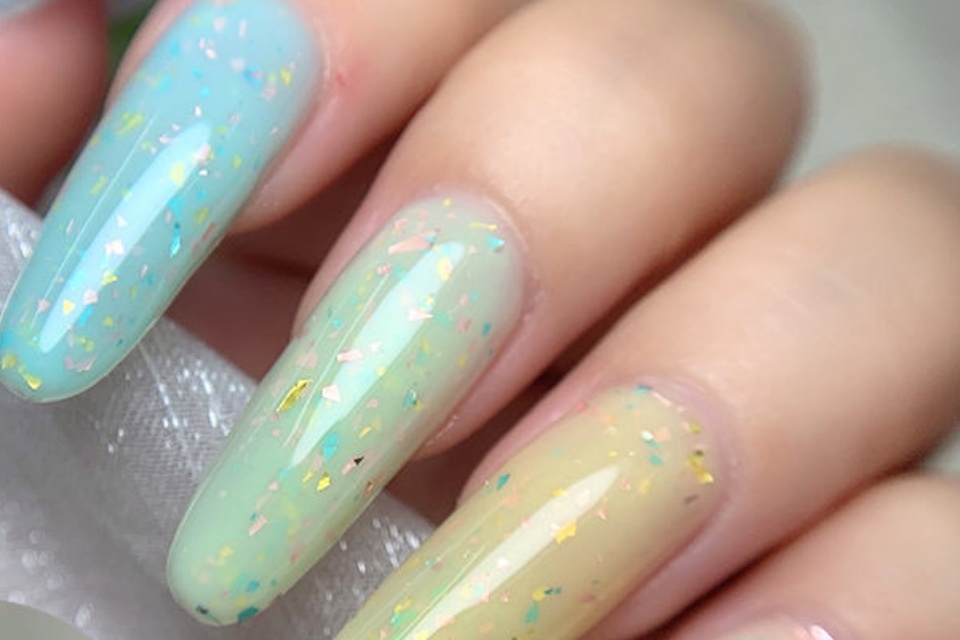
And when that happens, weird stuff starts showing up. A peach shade cures apricot in one lamp, salmon in another. A black gets smoky. A neon flattens out. A jelly pink goes muddy after two weekends in the sun. Outsiders call that bad luck. Inside the trade, we call it a tell.
Regulation has a funny way of flushing out weak players.
The European Commission’s official TPO in Nail Products Q&A explains that TPO was classified by Commission Delegated Regulation (EU) 2024/197 as a category 1B reproductive toxicant, and that this later triggered a cosmetics prohibition applying from 1 September 2025. I’m not saying every yellow top coat and every wonky nude is a TPO story. That’d be sloppy. I am saying reformulation pressure tends to expose which manufacturers actually understand photoinitiator balance—and which ones were coasting on copy-paste formulas until the rules changed.
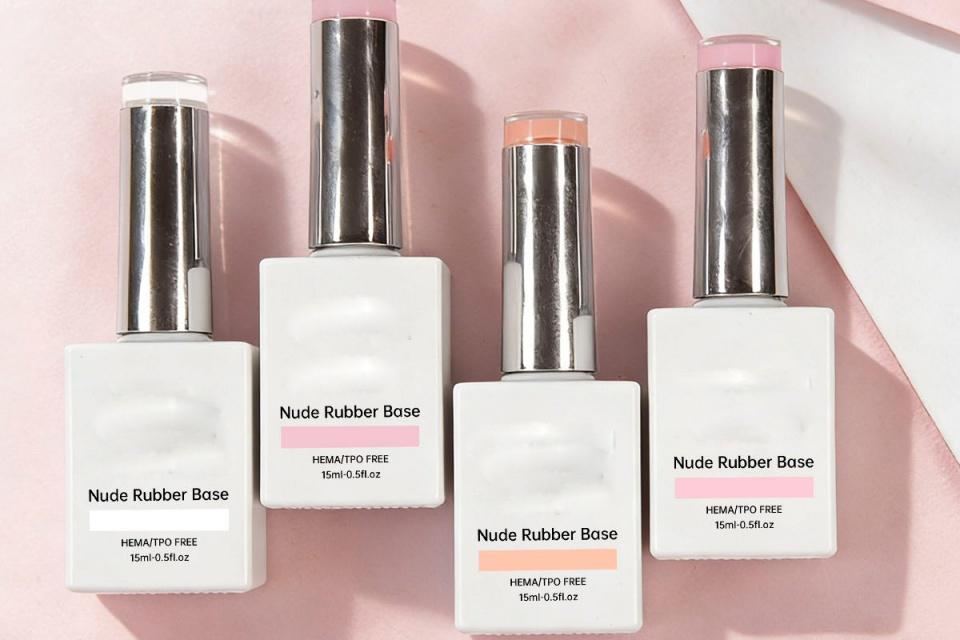
That’s where buying blindly gets expensive. Start with the broader gel polish systems, compare your top coat options, test dedicated shiny top coat formulas, and ask for actual quality assurance documentation before you trust anyone’s “salon-grade” claim. And if matte finishes are where your complaints cluster—which happens more than people admit—run a side-by-side test with a HEMA-free matte top coat instead of blaming every pigment bottle in sight.
| Cause | What you see on the nail | What is probably happening | What I’d do first |
|---|---|---|---|
| UV exposure | Whites cream up, clears amber, brights lose pop | Repeated UVA stress reduces clarity in the top film | Swap the top coat, reduce unnecessary extra curing |
| Chemical contact | Patchy stains, dull spots, smoky yellowing | Cleaners, dye, self-tanner, or pigmented products stain the surface | Wear gloves for cleaning and wipe contaminants fast |
| Pigment instability | Shade cures off-tone or fades unevenly | Weak dispersion, poor color matching, low-discipline formula | Replace the shade batch and audit the supplier |
| Cure mismatch | Cloudy finish, warmth shift, flat color | Lamp output and formula are not actually compatible | Use the exact lamp-and-time combo specified for that system |
| Aged or damaged stock | Bottle yellows, smell changes, cure gets erratic | Heat, light, or oxidation damaged the product before use | Retire the bottle and review storage conditions |
First, I’d stop treating the manicure like one product. It isn’t. It’s a stack—base, color, top, lamp, cure profile, storage conditions, aftercare, and whatever abuse the set runs into after the client leaves. When one part goes sloppy, the whole stack pays for it.
Second, I’d replace the top coat before I replaced the shade. That sounds backwards to newcomers. It isn’t. The top coat is the weatherproofing. If the weatherproofing is weak, every complaint downstream gets misdiagnosed.
Third, I’d question the lamp. Techs hate doing that because lamps feel “set and forget.” They’re not. Cure mismatch is real, especially when people mix brands because they assume 48W is 48W and that’s the end of the story. It’s not.
And yeah—I’d question the supplier too. Immediately.
If you’re buying for salon use, wholesale, or private label, pull the gel polish catalog and compare systems, not just color walls. Shade count impresses people for a minute. Stability keeps them reordering.
White gel polish usually turns yellow because the clear top layer is oxidizing, staining, or warming under ultraviolet exposure, heat, or chemical contact, which changes the way the white underneath appears even when the pigment itself hasn’t fully broken down. From my experience, white is the fastest truth serum in nails. It exposes weak top coats, dirty cure profiles, and poor stain resistance almost immediately. If a brand’s white keeps going creamy, I look at the sealer first.
Yes, UV light can make gel polish fade because repeated exposure stresses the cured film, especially the top layer, which can lose optical clarity, shift warmer, or dull out over time when stabilizers and photoinitiators aren’t well balanced. That doesn’t mean every lamp causes instant disaster. But repeated UVA exposure is not chemically neutral, and the UC San Diego researchers data should make anyone stop pretending otherwise.
Preventing gel polish fading means using a compatible lamp, curing for the exact specified time, sealing with a stable top coat, storing bottles away from heat and direct light, and reducing contact with strong cleaners, dyes, tanning products, and repeated ultraviolet exposure. Don’t Frankenstein your system. That’s my bias, and I stand by it. Random base, random color, random top, random lamp—then surprise when the set shifts? That’s not a mystery. That’s a setup.
Cheap gel polish is more likely to change color because lower-cost formulas often cut corners on pigment dispersion, color additive discipline, resin compatibility, and stability testing, which increases the odds of off-tone curing, patchy fading, and weird warmth shifts after normal wear. Here’s the ugly truth: bargain formulas can look excellent on a swatch stick. The trouble starts later. That’s why the FDA’s Color Additives and Cosmetics fact sheet matters more than most buyers think.
Yes—gel polish that has already changed color in the bottle should generally be discarded because visible color drift or odor change can signal oxidation, contamination, heat damage, or ingredient instability that may also affect cure behavior, adhesion, and finish quality. I wouldn’t try to rescue it. Not for salon work. Not for retail. The FDA’s Using Cosmetics Safely guidance backs that up, and frankly, so does common sense.
If your line is showing yellowing, fading, or odd batch drift, stop guessing and test the stack like an adult business. Audit the top coat, verify the lamp match, pressure-test the supplier, and don’t place another order until the chemistry—not the marketing—makes sense.