Talk to Our Expert
Our sales and engineers are available all the time, you can ask your specific requirements to our sales, and inspiration to our engineer here.

BIAB is everywhere.
And I don’t trust “everywhere” in beauty—because when a product category explodes this fast, the ugly parts (allergy, under-cure, sloppy training, bad sourcing) always follow the hype, usually a few months behind the Instagram wave.
So what’s actually happening?
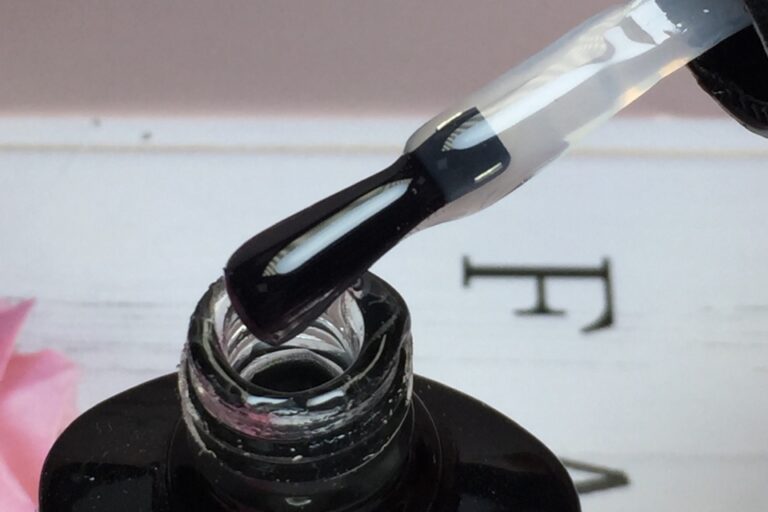
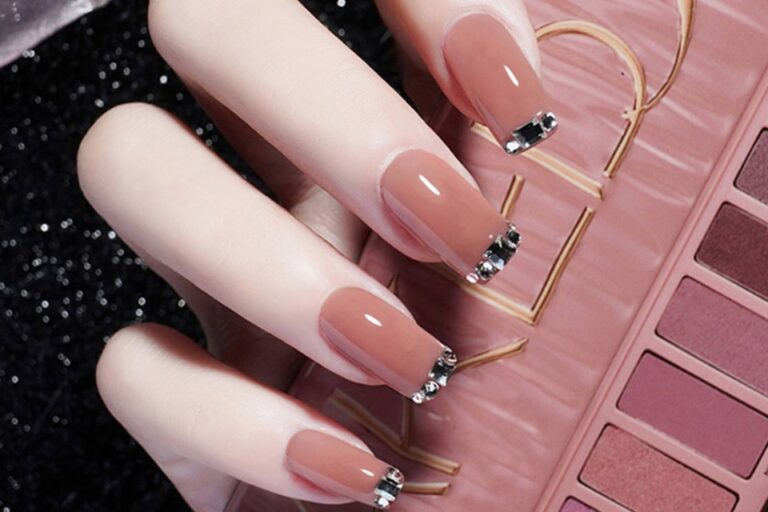
Builder in a bottle (BIAB) is basically builder gel packaged like polish—brush bottle, faster pickup, less fuss—sold as the “cleaner,” “easier” path to strong overlays and short extensions. That promise is real. Sometimes. But the same format that makes BIAB nails fast also makes mistakes faster: a little gel on skin, a thick bead that doesn’t cure through, a weak lamp, a rushed removal… and you’ve got lifting, breakage, or worse, sensitization.
“Builder gel in a bottle” isn’t one magic material. It’s a positioning.
Most BIAB gel formulas sit in the soft-builder zone: flexible enough for natural nail overlays, strong enough to hold a small apex, usually soak-off (not always), and designed to self-level so you can finish with less filing. That’s the selling point. Speed plus structure.
But, and this matters, BIAB is not automatically safer, cleaner, or more “natural.” It’s still a UV/LED-cured acrylate/methacrylate system. If you treat it like regular polish—thin swipe, slap under a lamp, done—you’re setting yourself up for under-cure and skin contact. That’s the two-hit combo that shows up later as itching, heat, or lifting (or a client who suddenly “can’t wear gel anymore”).
If you’re building a product line, I’d start by mapping BIAB into the rest of the gel system instead of treating it as a standalone wonder bottle. The Gel Polish catalog on Best Gel Polish lays out the surrounding categories you’ll end up matching with BIAB (base, top, builder, rubber base, etc.). (Best Gel Polish)
Here’s why BIAB took off: it sells time.
A structured manicure with BIAB can be one bottle instead of a mini chemistry set. That means faster services, simpler retailing, fewer SKU decisions for new techs, and less dead stock for salons.
But there’s a second driver nobody likes to say out loud: BIAB reduces the “skill gap” just enough for fast scaling—mobile techs, booth renters, and newer salons can deliver decent results sooner, which is good for business and brutal for anyone still charging premium prices without premium technique.
So yes, BIAB nails are a trend. But it’s a trend powered by workflow, not fashion.
Want a real data point, not vibes?
In January 2023, researchers tied typical UV nail dryers (often 340–395 nm) to cell death and mutation patterns in human cells in lab conditions—one 20-minute session caused 20–30% cell death, and repeated sessions pushed that higher. The authors were clear that long-term epidemiology would still be needed, but the cellular damage signal was not subtle. (University of California)
Does that mean “gel nails cause cancer”? No. And I’m not here to do panic content.
It means BIAB (and any gel service) isn’t just cute polish. It’s a controlled chemical process that relies on correct curing, correct layer thickness, correct lamp output, and clean skin boundaries. If any of those fail, you’re no longer doing cosmetics—you’re running an uncontrolled exposure experiment on living tissue.
Now layer in air exposure.
A 2024 National Institute for Occupational Safety and Health (NIOSH) abstract measured VOC exposures across manicure types and tested polishes marketed as “non-toxic.” They detected formaldehyde and toluene in all “non-toxic” polishes tested, with average measured exposures (by brand) up to 0.16 ppm formaldehyde and 0.67 ppm toluene—and local exhaust ventilation (LEV) reduced total VOCs by 30–70%. (stacks.cdc.gov)
That’s the point I want you to sit with: marketing words don’t ventilate a room.
If you’re sourcing BIAB at scale, the “trust me” era is over. You need documentation, batch consistency, and ingredient control. That’s why I keep pushing buyers to read a supplier’s quality assurance process before they fall in love with shade cards. (Best Gel Polish)
BIAB vs builder gel is mostly about viscosity, workflow, and removal profile—not whether one is “better.”
BIAB vs acrylic nails is about the whole system: odor, dust, file time, strength ceiling, and how tolerant the service is to imperfect curing habits.
Here’s the comparison I use when I’m trying to predict complaints and returns.
| System | What it’s best at | Common failure mode | Removal reality | Who should avoid it |
|---|---|---|---|---|
| BIAB nails (soft builder, bottle) | Fast overlays, short structured sets, refills | Flooding cuticle + skin contact; under-cure from thick layers | Usually soak-off, but slower if overbuilt | Anyone with past gel allergy symptoms; salons with weak lamps |
| Traditional builder gel (pot/jar) | Stronger structure, longer length control | Over-thick apex causing heat spikes; heavy filing | Often file-down + partial soak | Clients who pick at product; techs who rush prep |
| Acrylic nails | High strength, long length, shape control | Over-filing natural nail; harsh removal | File-off + soak, lots of dust/odor | Sensitive clients; poor ventilation spaces |
| Poly gel / acrygel | Strong structure with less run than acrylic | Incomplete curing in thick zones | File-down heavy, soak varies | New techs without curing discipline |
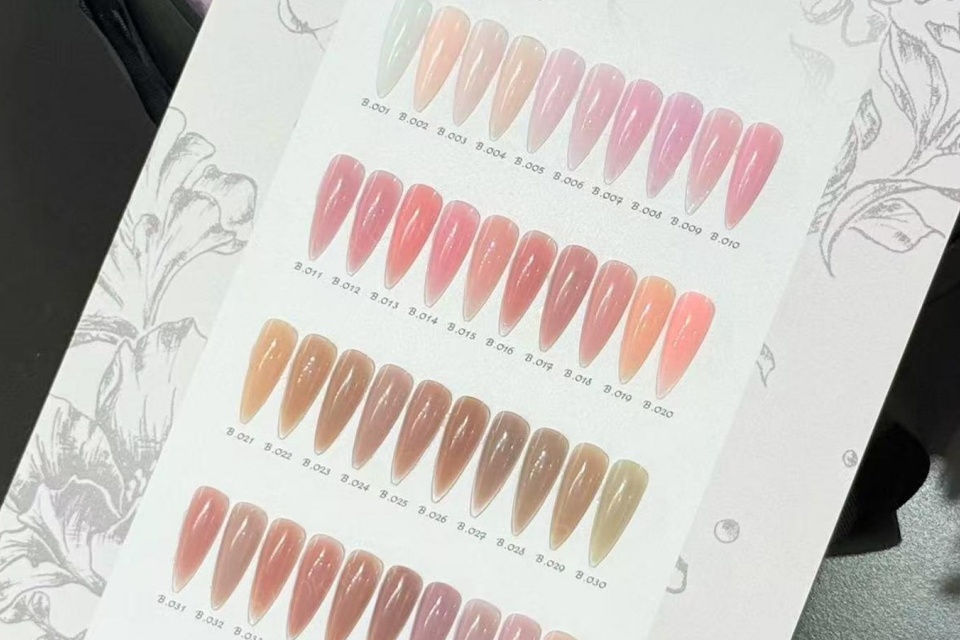
If you’re a B2B buyer, the “best BIAB gel” isn’t the prettiest swatch. It’s the formula that behaves predictably across real salon temperatures and real lamp variance, with instructions that match how techs actually work. That’s why content like builder gel thickness control matters more than influencer reviews. (Best Gel Polish)
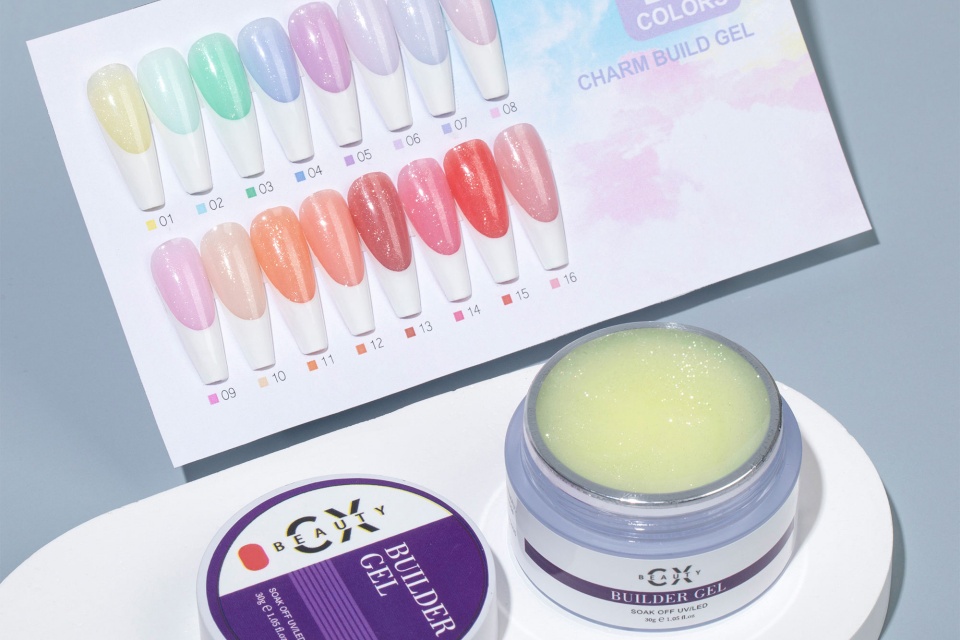
This is where I get annoyingly strict, because removal damage is the silent brand-killer. Clients don’t blame “removal technique.” They blame the product category. They blame gel. They blame you.
So. Slow down.
If your BIAB is a harder soak-off or a heavily pigmented builder-in-a-bottle, expect longer soak cycles. And if you’re seeing “it never soaks,” that’s often a thickness issue, not a chemistry miracle.
Also: if you’re an operator, treat ventilation like equipment, not décor. The 2024 NIOSH data on LEV reducing total VOCs by 30–70% is the closest thing you’ll get to an easy win. (stacks.cdc.gov)
You’ll hear techs argue about ingredients like it’s sports.
But regulation moves the supply chain, and the supply chain moves what ends up on your desk.
For example, the European Commission has published plain-language guidance on the EU’s handling of TPO (a common photoinitiator used in some UV gels), tied to its CMR classification and cosmetics restrictions timing (with the classification applying from 1 September 2025). (single-market-economy.ec.europa.eu)
I’m not telling you to panic-buy. I’m telling you to stop sourcing like it’s 2019.
BIAB (Builder In A Bottle) is a brush-on builder gel in a polish-style bottle that lets you create a structured manicure—usually a flexible overlay or short extension—by building an apex in thin layers and curing each layer under UV/LED, often with soak-off removal when formulated as a soft builder.
In plain terms: it’s “builder gel made fast,” not a new chemistry class. Done right, it’s efficient. Done sloppy, it’s a sensitization factory.
BIAB nails use a builder gel format optimized for speed—brush bottle, self-leveling behavior, and overlay-first structure—while “builder gel” is the wider category that includes thicker pot gels, harder extension systems, and formulas that may require more filing, more control, and sometimes file-down removal rather than full soak-off.
So yes, BIAB is builder gel. But the workflow and risk profile differ.
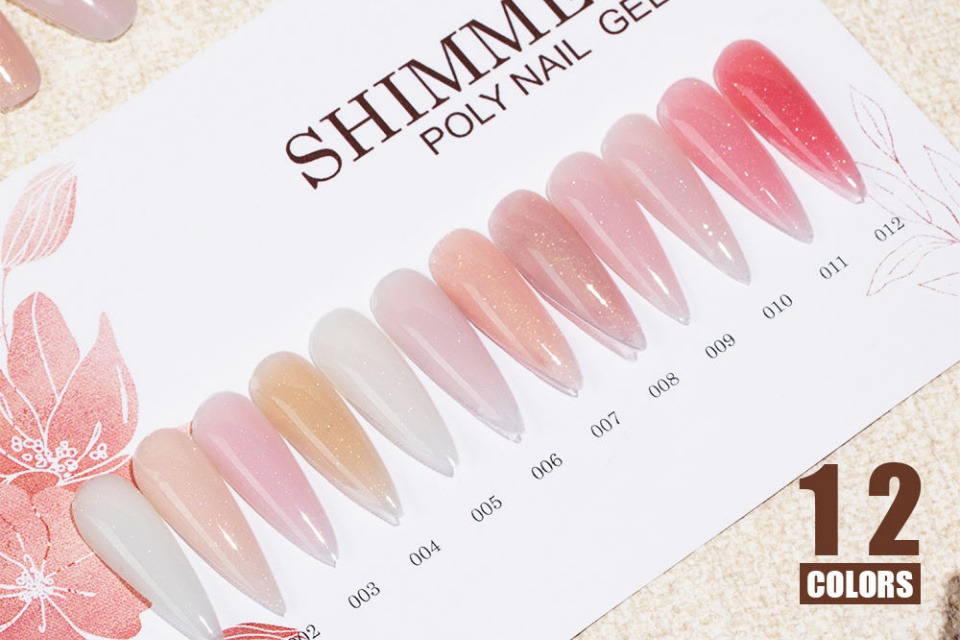
BIAB vs builder gel durability depends less on the label and more on cure depth, layer thickness, and prep; a well-cured BIAB overlay can last as long as many classic builders on short lengths, while longer or high-stress clients often get better survival from a higher-viscosity builder gel designed to hold structure without flex.
If you’re seeing early lifting, look at skin contact and under-cure before blaming the formula.
BIAB vs acrylic nails safety is a trade: BIAB reduces dust and odor but increases reliance on correct UV/LED curing and strict “no gel on skin” technique, while acrylic avoids lamp exposure yet brings strong odors, filing dust, and different chemical exposures—meaning ventilation, PPE, and training still decide the real-world risk more than the service label.
If you want one evidence anchor on the UV side, read the 2023 UV dryer cell damage findings. (University of California)
The best BIAB gel is the one that self-levels without flooding, cures fully at realistic overlay thicknesses under common 48–72W LED lamps, stays stable across temperature swings in shipping and salons, and comes with batch documentation (ingredients, QC checks, and compliance files) that match your target market’s rules and claims.
Pretty shades don’t fix unstable chemistry. Documentation does.
If you’re building private label, start with OEM capability and QC proof, not a color chart. (Best Gel Polish)
To remove BIAB nails safely, you file off the topcoat seal, soak the product in acetone with tight wraps in timed cycles, and use gentle scraping only when the gel is softened—re-wrapping instead of forcing removal—so you avoid peeling layers off the natural nail plate and triggering thinning, splitting, and soreness.
If removal “needs force,” something upstream went wrong: over-thickness, wrong product type, or poor curing.
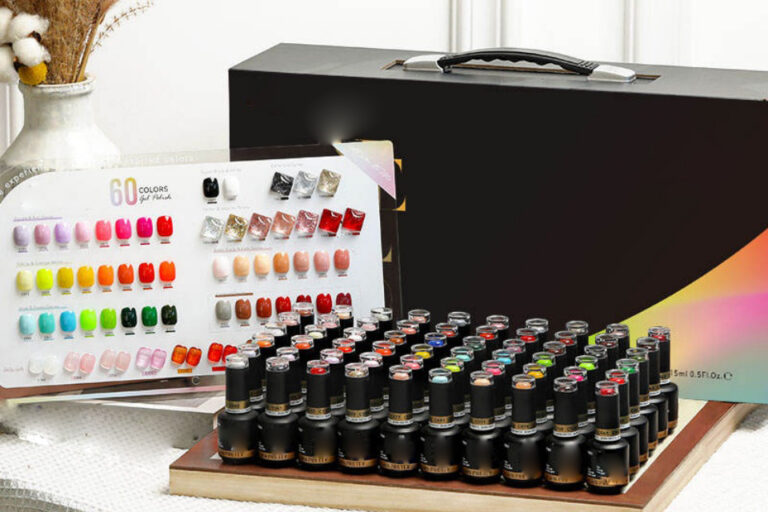
If you’re treating BIAB as a product category you can scale—salon chain, distributor, or brand owner—don’t guess. Start by browsing the BIAB-ready options like self-leveling BIAB builder gel extensions (Best Gel Polish), then pressure-test the supplier’s OEM/ODM services and documentation trail. (Best Gel Polish)
And if you want the fastest shortcut to fewer complaints: pair BIAB with boring, disciplined systems—lamp standards, thickness guidance, and real QC—because the trend part is fun, but the returns department is not.