Talk to Our Expert
Our sales and engineers are available all the time, you can ask your specific requirements to our sales, and inspiration to our engineer here.

You know that moment when you spot one tiny lifted corner and your brain goes, “I can just grab that…”?
Yeah. That’s the start of the crime scene.
Stop peeling it. Seriously.
I don’t care if you only “peeled a little.” I frankly believe peeling gel is the #1 reason people walk around claiming “gel ruined my nails,” when the real culprit is human behavior—impatient, grabby, chaos behavior—followed by aggressive scraping like you’re removing old paint from a fence. It’s not “ruined.” It’s overworked.
And yes, acetone sounds scary. But picking is worse. Dermatologists have been saying this forever: acetone is the most effective method, and peeling or filing gel off can seriously damage nails (American Academy of Dermatology).
So if you’re here because you want to know how to remove gel polish without turning your nail plate into a thin crunchy mess… good. We’re doing it the boring pro way.
Boring wins. Usually.
Quick sanity check: not all gel is soak-off.
Some people say “gel” and they mean regular soft gel polish. Others mean BIAB, builder, hard gel, thick overlays, extensions, stuff that’s basically armor. And if you treat hard gel like soak-off gel? You’ll be soaking until next Tuesday, get annoyed, then start filing like a maniac. Bad plan. Very bad.
If you’re wearing standard soft gel color, acetone works. If you’re wearing thick overlays, acetone may soften a bit but won’t fully melt everything away. That’s where people wreck nails trying to force a result that isn’t possible at home.
If you’re shopping systems (salon or brand), removal behavior matters as much as wear time. Start with professional gel polish systems that are built for predictable soak-off and consistent performance, not “stick forever and pray.”
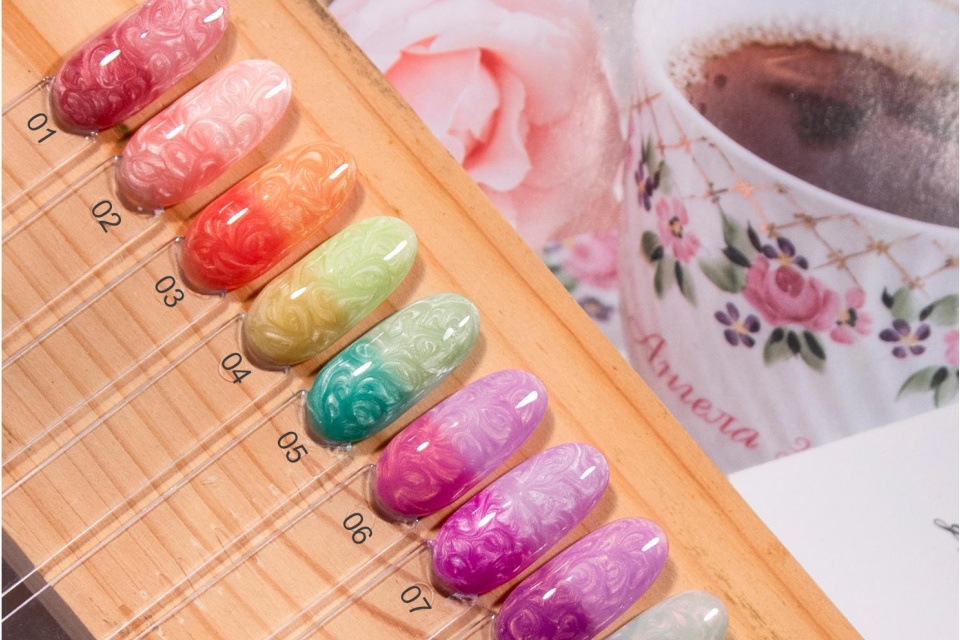
Let’s talk about remove gel polish at home properly. Not “TikTok fast.” Not “rip and regret.” The real method.
You’re not filing your nail. You’re just breaking the seal.
Light pressure. Quick passes. If you’re trying to “get to the color,” you’re doing too much.
And if you’ve been using a heavy-duty gel top coat system (especially no-wipe glossy types), you have to do this step or acetone will just sit there like… nothing is happening. Because nothing is happening.
This is where people cheap out. Don’t.
Soak the cotton until it’s properly wet, then park it right on the nail plate. You want contact. Full contact. If it’s barely damp, you’re basically just giving the gel a light mist and hoping it gives up. It won’t.
Foil wrap or plastic wrap. Either works.
But seal it like you’re wrapping leftovers you actually want to eat later. The goal is no evaporation. A loose wrap = acetone vanishing into the air = you soaking forever and getting annoyed.
Even dermatology advice points out sealing matters, and plastic wrap can help hold everything down better than floppy foil (American Academy of Dermatology).
This is where nails get saved… or sacrificed.
The gel needs time to soften. Especially if you’ve got glitter, multiple coats, rubber base underneath, or a thicker structure layer. And yes, I know you’re tempted to unwrap one finger early “just to see.” Don’t. You’re just resetting the clock.
A 2024 medical review on DIY nail cosmetics describes typical gel removal as 100% acetone under occlusion for ~10–15 minutes because that’s the time window where gel reliably softens enough to lift safely, not scrape off in chunks (Wang et al., 2024).
Wait it out. Breathe.
Unwrap one nail first. Press gently with the orangewood stick and try to slide the gel off.
If it moves like soft rubber? ✅ Perfect. If it feels stuck? ❌ Rewrap and wait 5 more minutes.
Here’s the ugly truth: the second you start “scraping harder,” you’re not removing gel anymore—you’re shaving off nail plate. That’s how people end up with thin, bendy nails for weeks.
If you need a second short soak, do it. 5–8 minutes.
But if it still won’t budge on round two, stop trying to win the fight. You may not be wearing soak-off gel. You might be wearing a harder builder layer and acetone isn’t going to magically turn it into jelly.
A little residue is normal. Don’t go feral.
Use a soft buffer, light pressure. If you’re using tools, use proper nail tools designed for controlled prep—not random bargain files that chew through keratin like it’s nothing.
Acetone dehydrates. That doesn’t mean it “ruins nails.” It means your nails feel dry and weird right after removal.
Oil + cream. Twice today. Again tomorrow. And yes, it makes a difference.
Cleveland Clinic even points out gel processes and removal can temporarily rough up nails and skin if you’re careless (Cleveland Clinic).
People love asking for remove gel polish without acetone like it’s some secret safe hack.
I get why. Acetone feels harsh. Your fingers look dry. It smells like regret.
But the reality is simple: real gel is designed to resist weak solvents. So what happens with “acetone-free” remover? It works slowly (or barely), you get bored, and then you start scraping. That scraping is what ruins nails—not the acetone.
So yes, acetone can be drying. But peeling and scraping are destructive. Pick your poison.
If you’re sensitive and acetone makes your skin angry, don’t “tough it out.” Go pro removal and reassess your system choice next time.
Also… watch for allergy signs. Itchy cuticles, redness, tiny bumps after gel? That’s not just dryness. DIY nail products are well-known for triggering allergic contact dermatitis, mainly from methacrylates (Wang et al., 2024).
Sometimes your nails aren’t ruined. They’re just naked.
Gel makes nails look smoother, thicker, shinier, more even. Then you remove it and suddenly you see ridges and texture and dryness. That’s reality, not failure.
But if your nails feel thin and bendy? That’s usually from one of these:
Also, regulators aren’t asleep at the wheel here. The FDA notes methacrylate monomers can be sensitizers and highlights concerns around MMA in nail products (FDA Nail Care Products). California has also moved to list nail products containing methyl methacrylate (MMA) above specific thresholds as a Priority Product under its Safer Consumer Products program (DTSC, 2024).
Does that mean “panic and throw everything away”? No. It means be picky. Be educated. Don’t treat chemistry like glitter glue.
| Method | Works for Soak-Off Gel? | Damage Risk | Best Use Case | My take |
|---|---|---|---|---|
| 100% acetone + wrap | ✅ Yes | Low (if patient) | Standard gel color removal | The gold standard |
| “Acetone-free” remover | ⚠️ Usually weak | Medium (scraping temptation) | Light gel-like systems | Often disappointing |
| Peel it off | ✅ Technically “works” | High | None | Fastest way to thin nails |
| Aggressive filing only | ⚠️ Partial | Very high | Hard gel removal by trained tech | Not for beginners |
| E-file removal | ✅ Yes | Medium–high | Salon speed + experience | Great in skilled hands |
Salons want speed. Brands want “long wear.” Customers want a perfect set that survives everything.
So the market pushes stronger adhesion, harder top coats, tougher structure gels. And then—shock—people struggle to remove it, get impatient, and destroy their nails trying to take off product that was designed to not come off easily.
And there’s another angle that’s getting more attention now: UV/LED curing exposure. A 2023 Nature Communications study reported DNA damage and mutation patterns in mammalian cells after irradiation with nail polish dryers (Nature Communications, 2023). Not “doom,” but also not nothing.
So yeah… keep cure times normal. Don’t bake your hands. Don’t overdo it. Common sense is still allowed.
Soak-off gel polish removal is a timed acetone-softening process where 100% acetone breaks down the gel’s polymer network under occlusion, typically requiring 10–15 minutes per hand before the coating can lift with light pressure instead of scraping. If it doesn’t slide off, soak longer rather than force it. If you’re at minute 6 getting impatient, that’s the danger zone. Wait another 5.
The best way to take off gel nails without damaging the nail plate is to lightly file the top coat, wrap each nail with acetone-saturated cotton, wait until the gel softens, and remove it by gently sliding—never scraping—so you don’t remove keratin layers along with product. If you’re using a metal tool like a crowbar, you’re already off track.
Removing gel polish without acetone usually means using weaker solvents or “gentle removers” that soften gel slowly, which often increases nail damage risk because people compensate by scraping harder, over-buffing, or peeling partially-lifted layers instead of letting the coating fully release cleanly. If acetone isn’t an option for you, I’d rather you get a pro removal than do a home demolition.
Nails feel thin after gel polish removal because the top keratin layers of the nail plate have been physically removed or roughened, often from peeling, aggressive scraping, or heavy filing, and acetone dehydration can temporarily exaggerate surface texture and brittleness even when the plate is intact. Dryness heals. Over-filing doesn’t.
Builder gel or BIAB removal is different because these thicker, stronger overlays may not fully dissolve in acetone; the safe approach is partial thinning of product (not your nail), controlled soaking if it’s soak-off compatible, and stopping before you reach natural nail to prevent plate thinning or heat friction injury. If you’re unsure what’s on your nails, don’t improvise with a rough file and hope.
Post-gel nail recovery is a hydration-and-protection phase where you restore flexibility with cuticle oil, reduce splitting by limiting water/chemical exposure, and avoid reapplying strong adhesion systems for 7–14 days so the nail plate can re-equilibrate and grow out surface trauma naturally. Short nails. Lots of oil. Minimal drama.
If your customers keep saying “gel ruined my nails,” I’d bet money it’s a removal education problem… or a system mismatch (too aggressive, too hard, too sticky, too thick).
We help brands build consistent, removal-friendly lines with stable performance and cleaner user outcomes. Start here: